


As Operation Epic Fury unfolds, the public debate is understandably focused on the immediate military campaign now underway against Iranian targets. But the operation has also revived a larger question that has often been obscured in American political discourse: whether the Islamic Republic should still be treated primarily as a regional problem, or as a direct and continuing threat to American national interests. The public record strongly supports the latter view.
According to U.S. officials across multiple administrations, Iran’s threat profile has long extended beyond Israel, the Gulf, or abstract regional instability, and has repeatedly touched American troops, American territory, and U.S. institutions.
That broader pattern is best understood not as a string of disconnected episodes, but as a long-running strategy. Tehran has repeatedly relied on proxy warfare, covert networks, and deniable operations to pressure the United States while reducing the likelihood of direct conventional confrontation.
That model has allowed the regime to raise the cost of American power without formally entering a traditional war with Washington. Epic Fury may be the current frame, but the underlying conflict did not begin this week. It has been playing out for years in different forms, often outside the public spotlight.
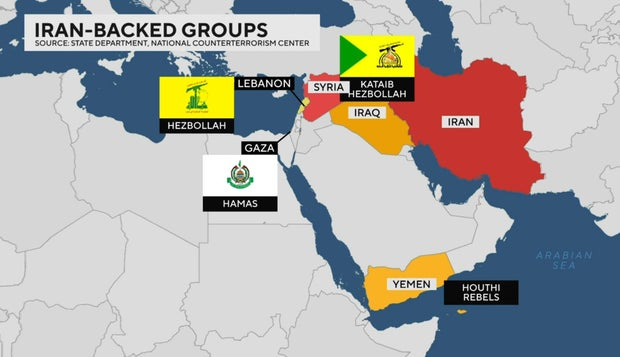
Historical Precedent of Terrorism Against Americans
The pattern of Iranian-sponsored violence extends back nearly half a century. During the Iranian hostage crisis, Iranian students with the support of the Islamic regime took 66 Americans hostage at the U.S. Embassy in Tehran between November 1979 and January 1981. In April 1983, a suicide car bombing killed 17 Americans at the U.S. Embassy in Beirut, claimed by the Iran-backed terrorist group Islamic Jihad (different than Palestinian Islamic Jihad).
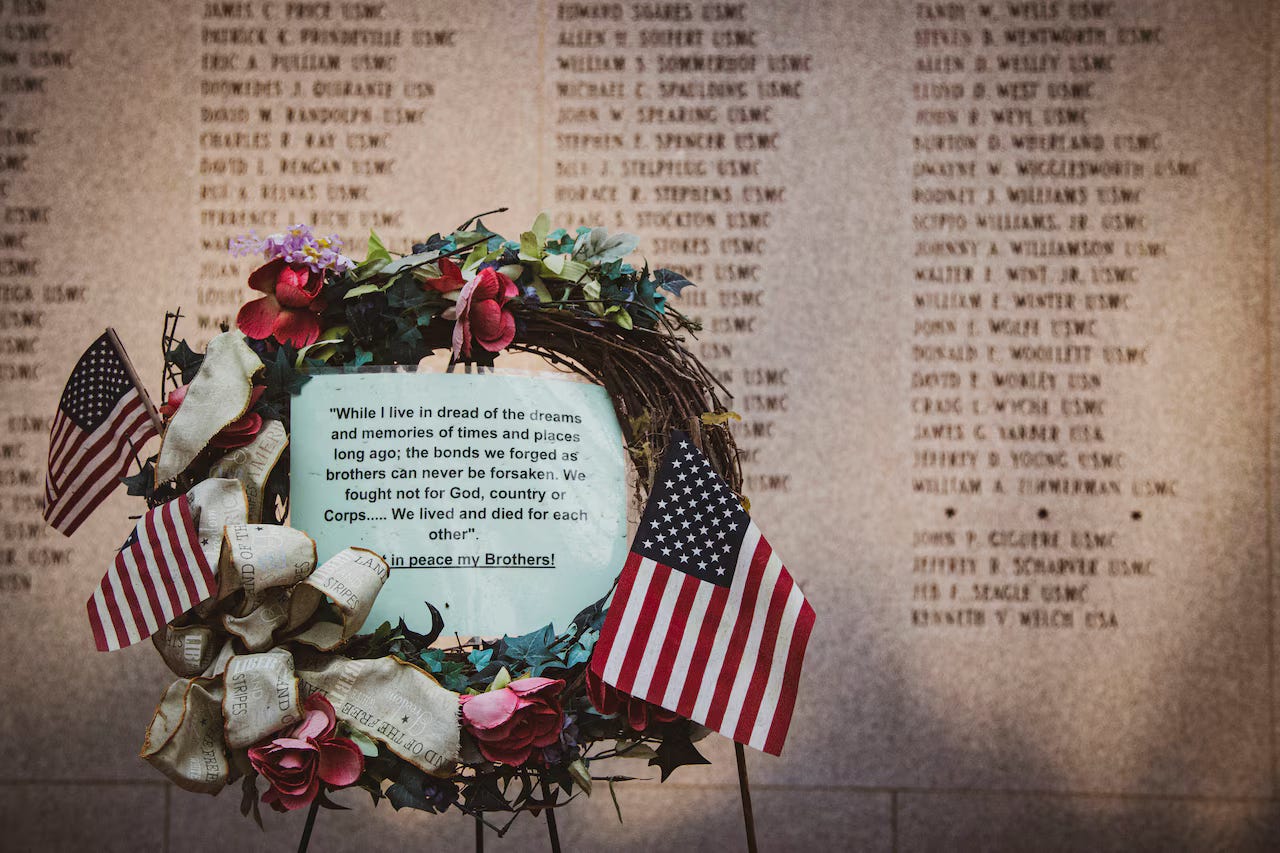
Later that year, On October 23, 1983, Hezbollah carried out a suicide bombing targeting the United States Marine Barracks in Beirut, claiming the lives of 241 American service members. This truck bomb attack remains one of the deadliest terrorist attacks on American personnel, and investigations established Iran's role in directing and supporting the operation.
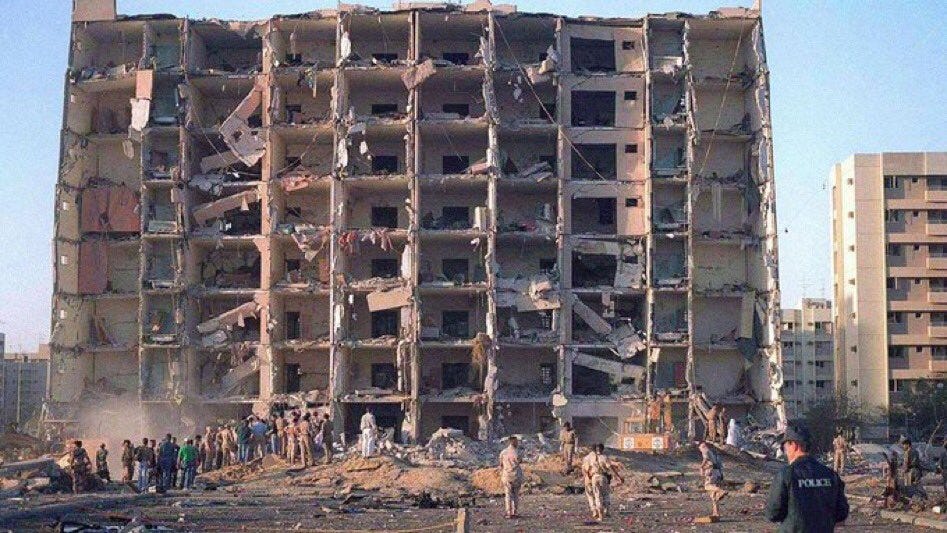
The 1996 Khobar Towers bombing in Saudi Arabia killed 19 American servicemen and wounded approximately 400 others. While the attack was carried out by Lebanese Hezbollah operatives, investigations concluded that Iran played a central role in directing and supporting the operation.
In August 1998, with the help of Hezbollah, al Qaeda bombers struck U.S. Embassies in Kenya and Tanzania, killing 12 Americans among 224 total casualties.
The 9/11 Commission Report later documented that some al Qaeda operatives had received tactical training at Hezbollah camps in Lebanon months before the September 11th attacks, demonstrating Iran's role in building terrorist capacity beyond its own direct operations.
Together, these attacks spanning from 1979 to the present demonstrate that Iran’s war on the United States is a sustained campaign of violence against American interests that has claimed hundreds of lives over nearly five decades.
Iran’s Iraq War Legacy
One of the clearest historical examples remains the Iraq War. U.S. military and intelligence officials concluded that Iranian support for Shiite militias contributed to the deaths of at least 603 American service members in Iraq since 2003. This represents 17% of all U.S. military deaths in Iraq between 2003 and 2011, while thousands of Iraqi civilians were also killed by Iranian-backed militias.
Particularly lethal were explosively formed penetrators, or EFPs, sophisticated armor-piercing roadside bombs that U.S. officials long tied to Iranian-backed terrorist networks. The significance of that record is straightforward: Iran was not merely sponsoring anti-American rhetoric or backing hostile actors in theory.
U.S. officials assessed that Iranian support materially contributed to the deaths of hundreds of American troops. That history is a central reason many in Washington view the regime as a direct security threat rather than a distant geopolitical irritant.
Ongoing Threats to U.S. Military
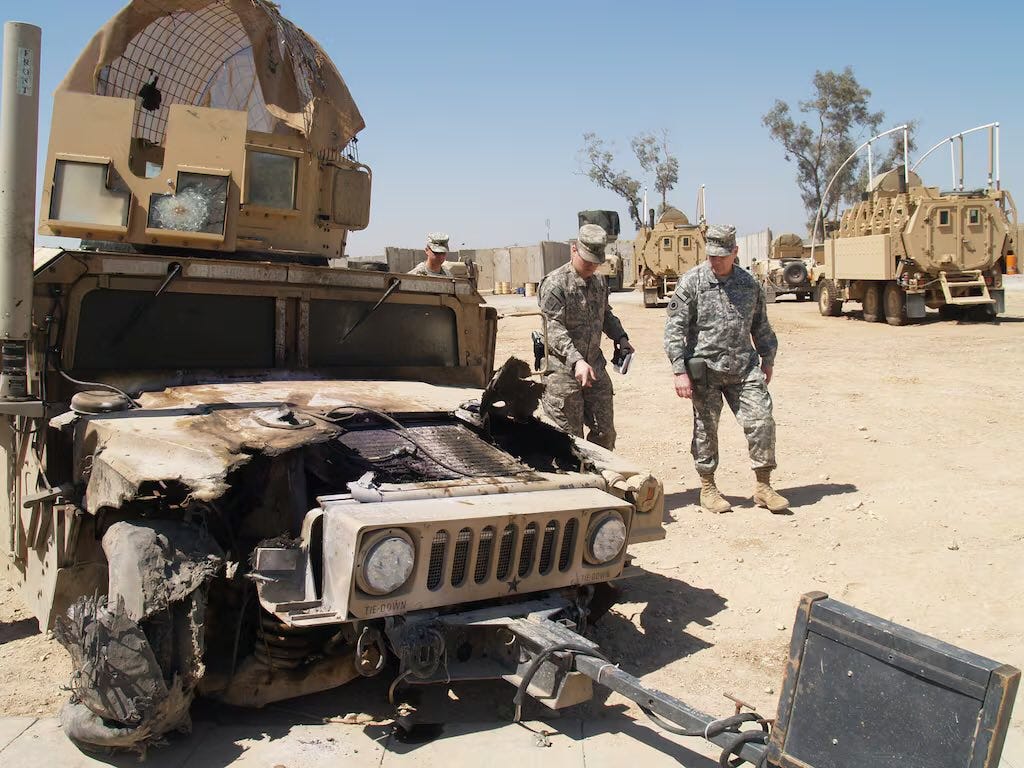
That pattern did not end with Iraq. On January 28, 2024, three U.S. service members were killed in Jordan after a drone strike on a U.S. outpost near the Syrian border. More than 40 others were injured. The Pentagon said the attack took place at a base supporting Operation Inherent Resolve, and Reuters reported that U.S. officials linked the strike to an Iran-backed militia network, even as Iran denied responsibility.
A report released by the Foundation for Defense of Democracies (FDD) indicates that Iranian-backed proxies carried out more than 180 attacks against U.S. troops in the Middle East between October 2023 and November 2024.
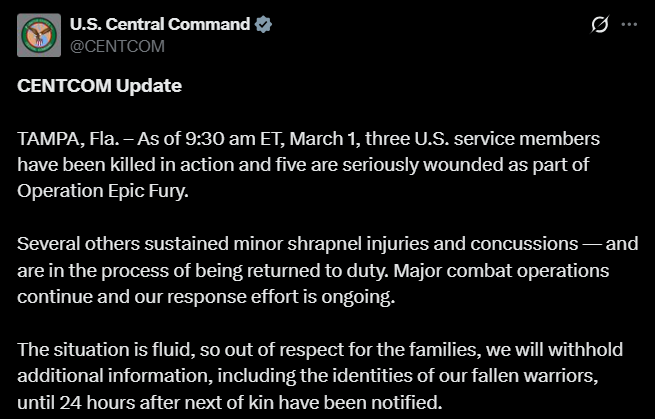
Most recently, U.S. Central Command reported that three American service members were killed and five others were seriously wounded during Operation Epic Fury, underscoring the continued cost of confronting Iranian threats.
Iranian Operations on American Soil
The threat has also appeared outside traditional battlefield settings. In November 2024, the Justice Department announced charges against Farhad Shakeri, whom prosecutors described as an asset of Iran’s Islamic Revolutionary Guard Corps. According to DOJ, Shakeri was tasked by the Iranian regime with surveilling and plotting to assassinate President-Elect Donald J. Trump.
The same announcement also said Shakeri used associates in the New York City area to surveil and murder a U.S. citizen of Iranian origin who had publicly opposed the Iranian government. Whatever the outcome of the criminal process, the allegations themselves were significant: U.S. prosecutors were explicitly alleging that an IRGC-linked network had extended operational activity into the United States.
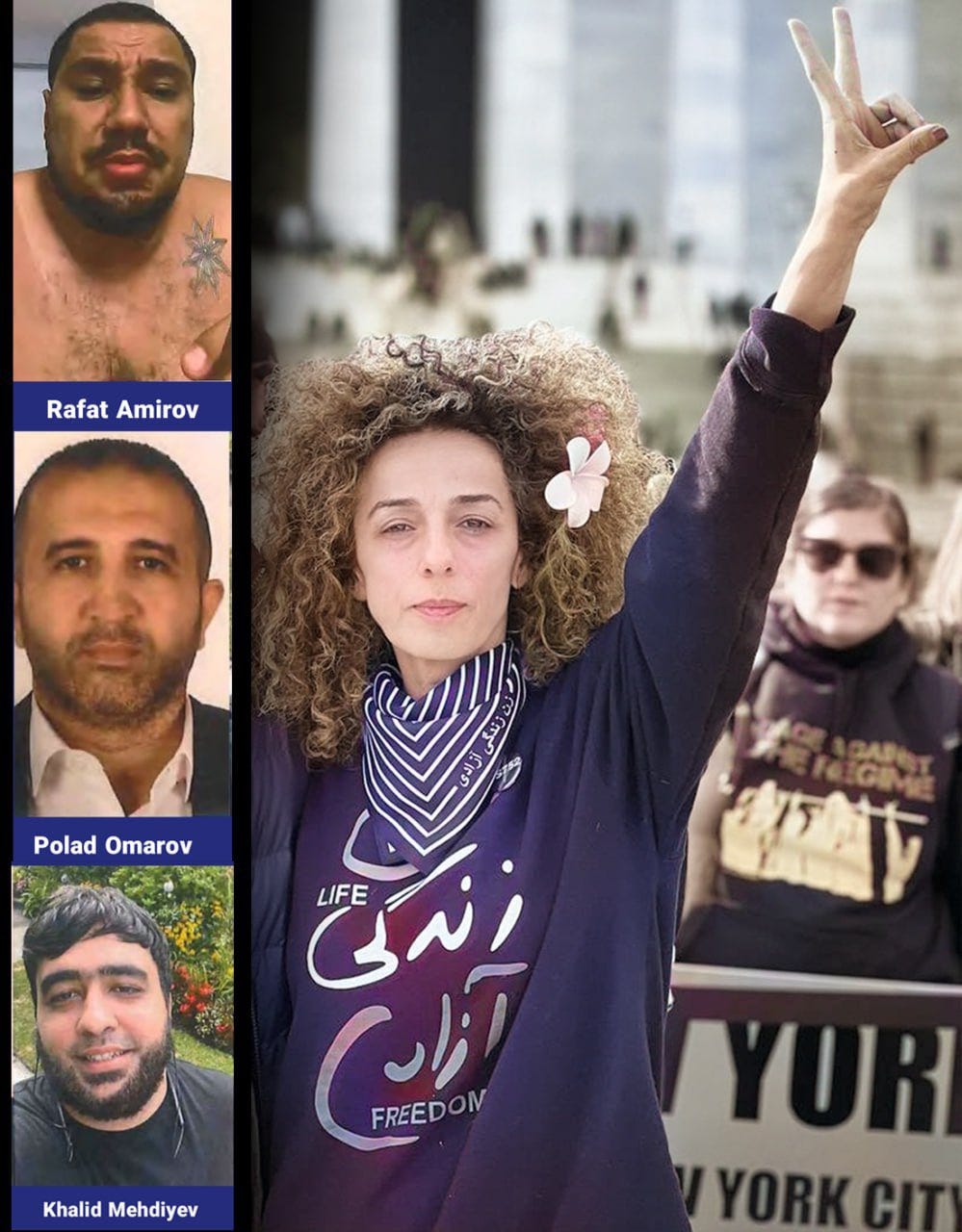
That case fit into a broader pattern already visible in federal prosecutions. In the Masih Alinejad case, prosecutors said the Iranian government hired Rafat Amirov and Polad Omarov to murder the U.S.-based journalist and dissident in exchange for $500,000. A Manhattan federal jury convicted both men in March 2025, and the Justice Department later announced they were sentenced to 25 years in prison each.
Together, those cases reinforced a point that has become harder to dismiss: according to U.S. authorities, Iranian-linked networks have not confined their activities to the Middle East, but have also treated the United States as a venue for surveillance, intimidation, and alleged targeted violence.
Ballistic Missile and Nuclear Threat
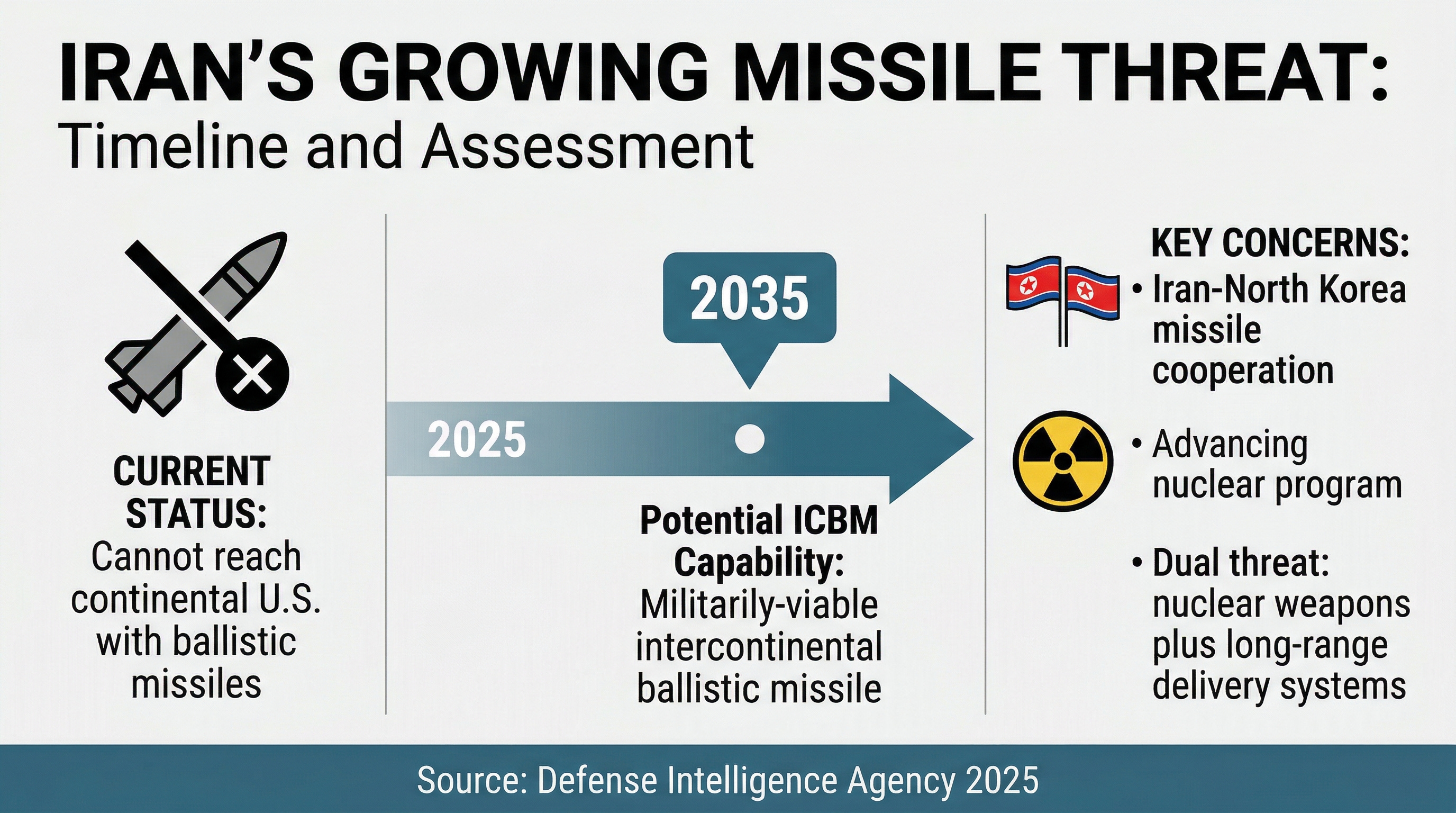
While Iran cannot currently strike the continental United States with ballistic missiles, the trajectory of its program presents a serious long-term concern. According to the Defense Intelligence Agency’s 2025 assessment, Iran could develop a militarily-viable intercontinental ballistic missile (ICBM) by 2035 should Tehran decide to pursue the capability. This timeline is contingent on several factors, including Iran’s indigenous development pace and potential foreign assistance.
Iran's missile cooperation with North Korea has accelerated development in both countries. North Korea has long been a key supplier of missile technology to Iran, and recent reports indicate the two nations have deepened their collaboration in ballistic missile development. This partnership, combined with Iran's stated intention to develop global strike capabilities, underscores the escalating nature of the threat.
Additionally, Iran's advancing nuclear program remains a central concern. The dual threat of nuclear weapons coupled with delivery systems capable of reaching distant targets represents perhaps the most serious long-term challenge to U.S. and regional security.
Regional and Global Diplomatic Warfare
Iran has consistently sought to undermine U.S. diplomatic efforts and expand its influence globally. The regime has strengthened ties with anti-American regimes in Latin America, including Venezuela, Nicaragua, and Cuba, establishing what amounts to forward operating bases in the Western Hemisphere. These relationships provide Iran with leverage in U.S.-centric regions and serve as conduits for sanction evasion and military cooperation.
Furthermore, Iran has coordinated with Russia and China to create an anti-American axis that challenges U.S. leadership in international forums and undermines multilateral agreements favorable to American interests. These partnerships extend into military and intelligence cooperation, as evidenced by Iran’s provision of weapons to Russia and ongoing technology exchanges across multiple domains.

The Cyber Dimension
Cyber operations have added another layer. In April 2024, the Treasury Department designated Iranian cyber actors tied to operations affecting critical infrastructure systems, including in the United States. Later that year, the Cybersecurity and Infrastructure Security Agency (CISA) warned that Iran-based cyber actors had carried out a high volume of intrusion attempts against U.S. organizations, including entities in critical infrastructure sectors.
Those warnings suggested that the Iranian threat is not limited to military installations or dissident targets, but also extends to systems with broader economic and public-safety implications.
Economic Warfare and Shipping Threats
Iran has conducted systematic economic warfare against the United States through multiple vectors. The regime has targeted international shipping in the Persian Gulf, disrupting global supply chains and energy markets. Beyond direct military action, Iran has engaged in sanction evasion operations that undermine U.S. economic pressure, and has supported terrorist groups that target American businesses and interests worldwide.
The Threat America Cannot Ignore
Set against that record, Operation Epic Fury has brought the Iranian threat back into sharp focus. The evidence is unambiguous: the regime's challenge to the United States extends far beyond rhetoric or regional posturing. It manifests in attacks on American forces, in criminal conspiracies on U.S. soil, in cyber operations targeting critical infrastructure, and in Iran's advancing nuclear program.
This multifaceted threat—spanning military, criminal, cyber, and nuclear domains—explains why the United States and Israel determined that decisive action was necessary.
They called America, the great Satan!