


Jewish Onliner is an independent publication. If you find our work valuable, please consider becoming a paid subscriber. You can also subscribe to us on WhatsApp and Telegram. Follow us on YouTube, TikTok, Instagram, Discord, and X.
The second article in Jewish Onliner’s series on the Gaza GenoLIE campaign, launched 40 legal and civil society organizations, examines the campaign’s timeline of early genocide allegations. The accusation began circulating within days of the Oct. 7, 2023, Hamas-led massacre, before Israel launched its main ground offensive. Zohran Mamdani, then a state assemblyman and now mayor of New York City, became one of the most visible elected officials promoting the claim in New York.
On Oct. 13, six days after more than 1,200 people were killed and 251 were taken hostage, Mamdani warned on X that Palestinians were “on the brink of a genocide,” linked the claim to proposed U.S. arms support for Israel and used the hashtag #NoMoneyForMassacres. A week later, he told a Democratic Socialists of America rally that “we are witnessing a genocide,” seven days before Israel began its main ground operation in Gaza.


Mamdani Moved From Warning to Declaration
Mamdani’s Oct. 13 post appeared the same day he joined a civil-disobedience action outside Senate Majority Leader Chuck Schumer’s Brooklyn home. Protesters carried a banner reading “Jews Say Stop the Genocide of Palestinians.” Police arrested 57 people, including Mamdani and fellow Assemblymember Marcela Mitaynes.
Mamdani told NY1 after his release that New Yorkers were facing “imminent genocide” and had to act. His accompanying X post used #NoMoneyForMassacres, the name of a national DSA campaign published the following day. That statement described Israeli officials’ language as “the language of genocide” and called on Congress to reject additional military aid.
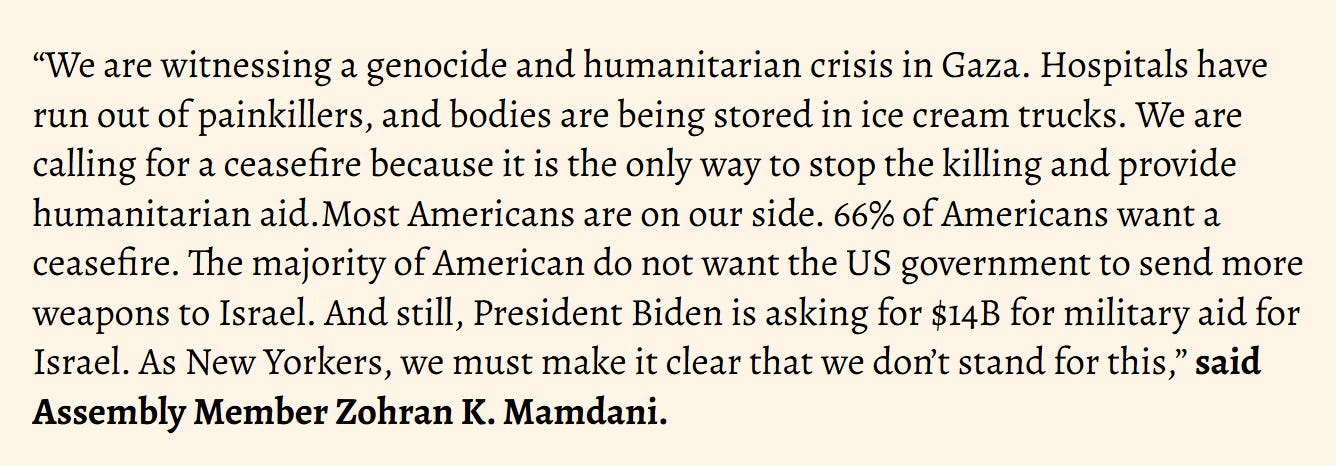
By Oct. 20, Mamdani’s wording was no longer limited to a warning. Speaking at a NYC-DSA protest, he declared: “We are witnessing a genocide and humanitarian crisis in Gaza.” The coalition included the Adalah Justice Project, Muslim American Society of New York, Muslim Democratic Club of New York, IfNotNow NYC, Jewish Voice for Peace NYC and ICNA-NY, among other groups.
An Organizing Network Was Already in Place
Mamdani did not enter the campaign as an unaffiliated lawmaker. On Oct. 7, DSA issued a national statement blaming the violence on what it called Israel’s “apartheid regime” and presenting Mamdani’s preexisting #NotOnOurDime campaign as a model for ending financial support for Israel.
On Oct. 8, while Israeli forces were still battling Hamas terrorists and recovering bodies from kibbutzim near the Gaza border, the Palestinian Youth Movement, The People’s Forum, the Party for Socialism and Liberation and allied groups held a Times Square rally. Some participants celebrated the assault and mocked its victims.
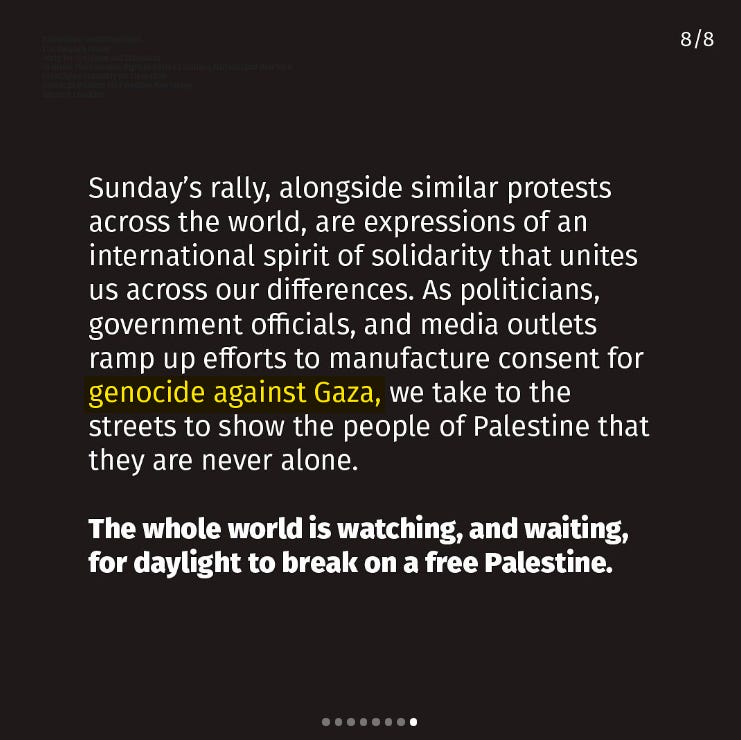
The rally’s organizers articulated the same frame that Mamdani used two days later. In an Oct. 11 joint statement, they characterized the Hamas-led attack as a “liberation struggle” and accused politicians and media outlets of trying to “manufacture consent for genocide against Gaza.” Mamdani’s Oct. 13 post combined an imminent-genocide warning with an allegation that consent was being manufactured for further U.S. arms transfers.
The Claim Spread Before the Ground War
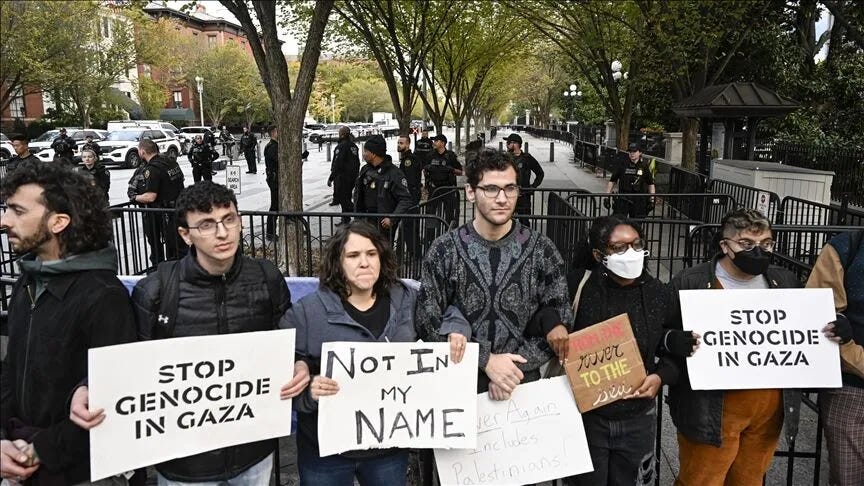
The same terminology moved rapidly through media, academic and activist channels. On Oct. 14, an Al Jazeera opinion column ran under the headline “This is genocide.” On Oct. 15, more than 800 scholars and practitioners signed a public statement warning of the possibility of genocide.
Those claims were not identical. The scholars warned about a potential crime, while Mamdani moved from saying Gaza was “on the brink” on Oct. 13 to declaring that genocide was underway on Oct. 20. Israel had not yet launched the large-scale ground operation, which the IDF dates to Oct. 27.
Prime Minister Benjamin Netanyahu delivered the Oct. 28 speech invoking the biblical memory of Amalek, frequently cited by genocide accusers as evidence of intent, 15 days after Mamdani’s first warning. The political accusation therefore preceded one of the principal statements later used to support it.
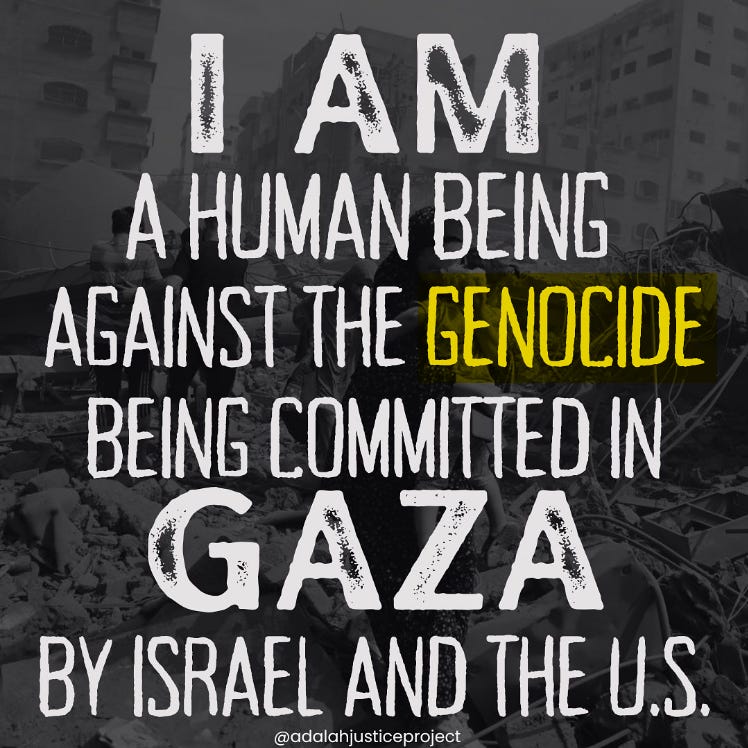
What the Timeline Establishes
Under the Genocide Convention, genocide requires specified acts committed with the intent to destroy a protected group, in whole or in part. The International Court of Justice has held that when genocidal intent is inferred from a pattern of conduct, it must be the only reasonable inference that can be drawn from the acts in question.
The chronology is stark. The genocide allegation began circulating while Israeli forces were still fighting Hamas-led terrorists inside the Gaza Envelope, clearing infiltrators from border communities, recovering bodies from massacred kibbutzim and confronting the crisis of 251 people taken hostage. Israel had not launched its main ground offensive, and no developed pattern of wartime conduct existed from which a legal finding of genocidal intent could be drawn.
Mamdani became a prominent elected voice advancing that framing. He warned of genocide six days after the massacre, joined demonstrations organized around the allegation and declared that genocide was already underway one week before the main ground offensive. Whatever arguments emerged later, the timeline establishes that the political verdict came first. The ground war, the evidence and the legal arguments used to justify it came afterward.
In fact the “genocide” blood libel is decades old and was originally developed by the Soviets, who understood the ease of tapping in to ancient Jew hatred.
Of course. It was a propaganda war first, a military trap second.