


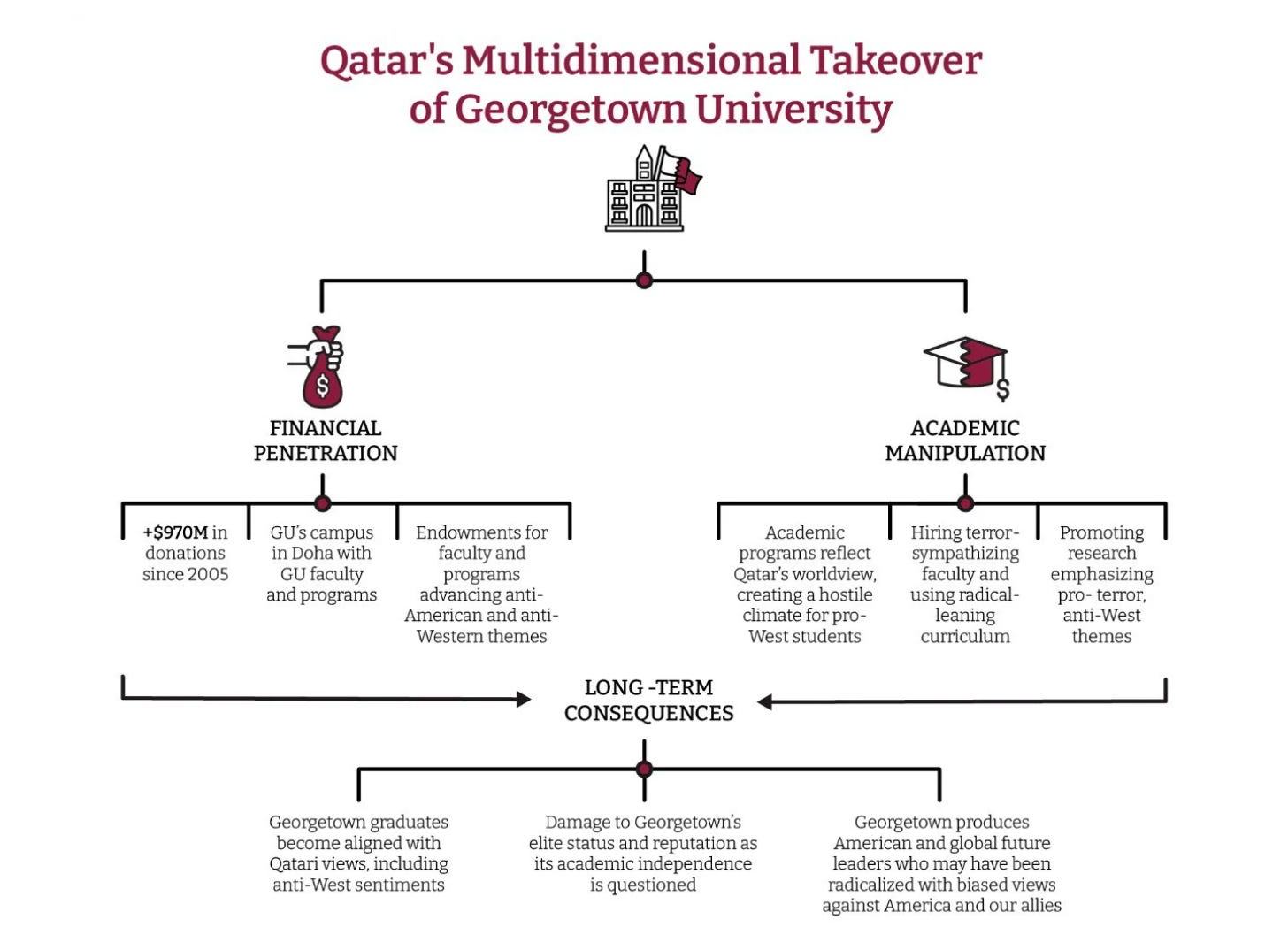
A new report by the Middle East Forum (MEF) reveals how Qatar has built extensive influence over Georgetown University through nearly two decades of funding, governance access, and cross-campus programming tied to Georgetown University in Qatar (GU‑Q), the university’s Doha campus created in partnership with the Qatar Foundation.
The report’s central claim is that the scale and structure of Qatari funding, paired with Qatar-linked roles inside Georgetown’s governance and academic ecosystem, create vulnerabilities that can shape hiring, research agendas, and teaching, particularly within Middle East–related programs. Georgetown has said it retains contractual control over hiring, curriculum, and admissions at GU‑Q, but MEF argues that financial dependence and institutional integration can still generate indirect pressure.
Nearly $1 Billion Over 20 Years
The report’s most prominent finding is financial. Citing U.S. Department of Education foreign gift and contract disclosures (Section 117), MEF estimates Georgetown received more than $971 million from Qatar across 76 contracts between 2005 and 2025. It calls the funding unusually large given GU‑Q’s reported size, 465 students (2024) and 49 scholars, and suggests some funds may support Georgetown’s Washington operations, not only the Doha campus.
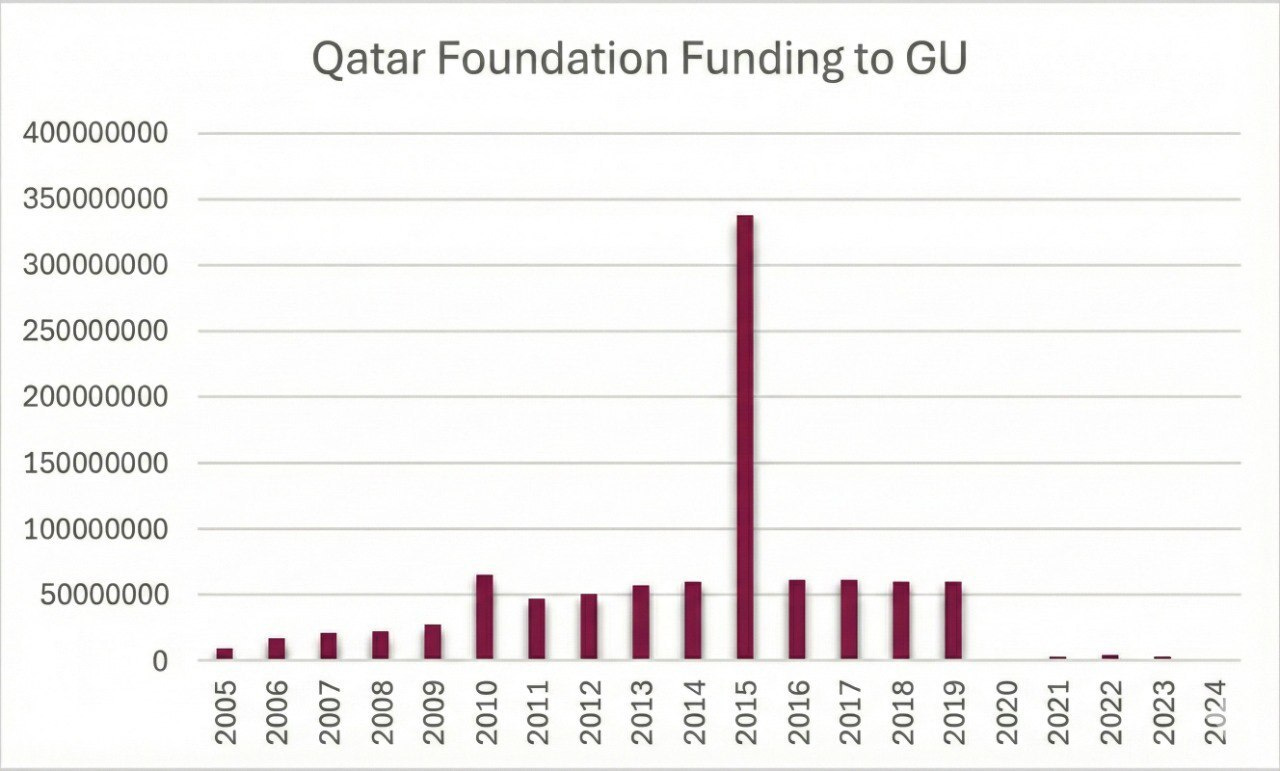
MEF also highlights Georgetown’s description of GU‑Q’s financial model: tuition is retained by the Qatar Foundation, while Georgetown receives funding to cover salaries and operational costs, including services provided by the Washington campus such as IT, HR, and finance. The report asserts that this structure can increase reliance on a foreign funder while limiting tuition-based accountability typical of U.S. universities.
Qatar’s Ruling Family on Georgetown’s Board
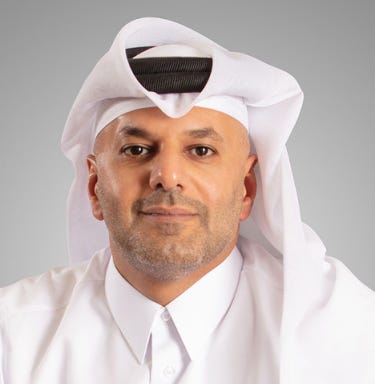
Qatar’s role extends beyond money to governance. The report notes that Sheikh Abdulla bin Ali Al Thani, identified as a member of Qatar’s ruling family, is listed as serving on Georgetown’s Board of Directors. MEF contends this creates a risk of foreign visibility into, and potential influence over, strategic decision-making at a university that trains many students who enter diplomacy and government.
Endowed Chairs and Washington-Facing Funding
The report says Qatar-related money also touches the main campus through academic positions, scholarships, and programs. It cites Qatar Foundation–funded endowed chairs in the School of Foreign Service focused on Muslim societies, the history of Islam, and Indian politics, arguing endowed positions can steer long-term departmental priorities.
MEF also references a $2 million “Qatar Endowed Scholarship Fund” (described as a gift by the Qatari royal family) and notes Qatar’s embassy was inducted into Georgetown’s 1789 Society, which recognizes gifts of $1 million or more. According to the report, the embassy donation helped establish a Qatar post-doctoral fellowship at Georgetown’s Center for Contemporary Arab Studies (CCAS), which MEF says requires the fellow to travel to Qatar to deliver a public lecture.
Doha’s Presence in D.C. Decision-Making and Programs
A recurring theme in the report is “interoperability,” the idea that GU‑Q and the Washington campus are intertwined through shared degrees, exchange programs, and governance roles. MEF points to a GU‑Q representative on Georgetown’s Main Campus Executive Faculty (MCEF), described as a body with formal authority over academic policy, and GU‑Q representation in staff advisory structures.
The report also highlights executive education and training programs linked to Qatari state institutions, including a Georgetown executive master’s program in diplomacy for Qatari diplomats and officials, and a Qatar-focused executive master’s in leadership that is described as aligned with Qatar National Vision 2030.
Palestine Programming: Events and Courses
According to the report, GU‑Q positions Israel/Palestine as a ‘flagship issue’ through its through public events, speaker series, and short modules.
Among examples listed in the report are GU‑Q events such as a March 2024 symposium “On Palestine,” a January 2024 program titled “Israel’s War on Palestinians: Gaza as Epicenter,” and a September 2024 conference “Reimagining Palestine.” MEF also points to earlier GU‑Q events in 2023, including a session framed as “Israel’s Apartheid Against Palestinians,” and describes a visiting fellow from Human Rights Watch who taught a one-credit course on human-rights challenges to Israeli policy.
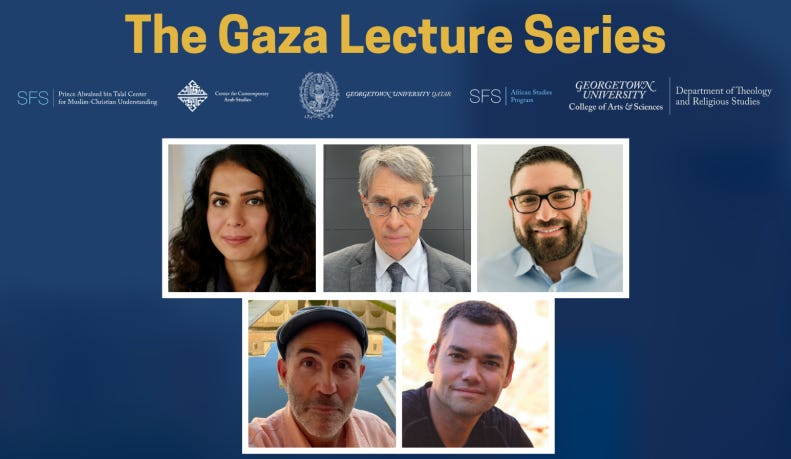
The report cites how these programs frequently use “settler-colonial,” “apartheid,” and “genocide” frameworks while omitting Israeli perspectives and downplaying the role of designated terror groups, an imbalance that advances Qatar-aligned soft-power narratives.
The Al‑Arian Family and Alleged Terror-Linked Connections
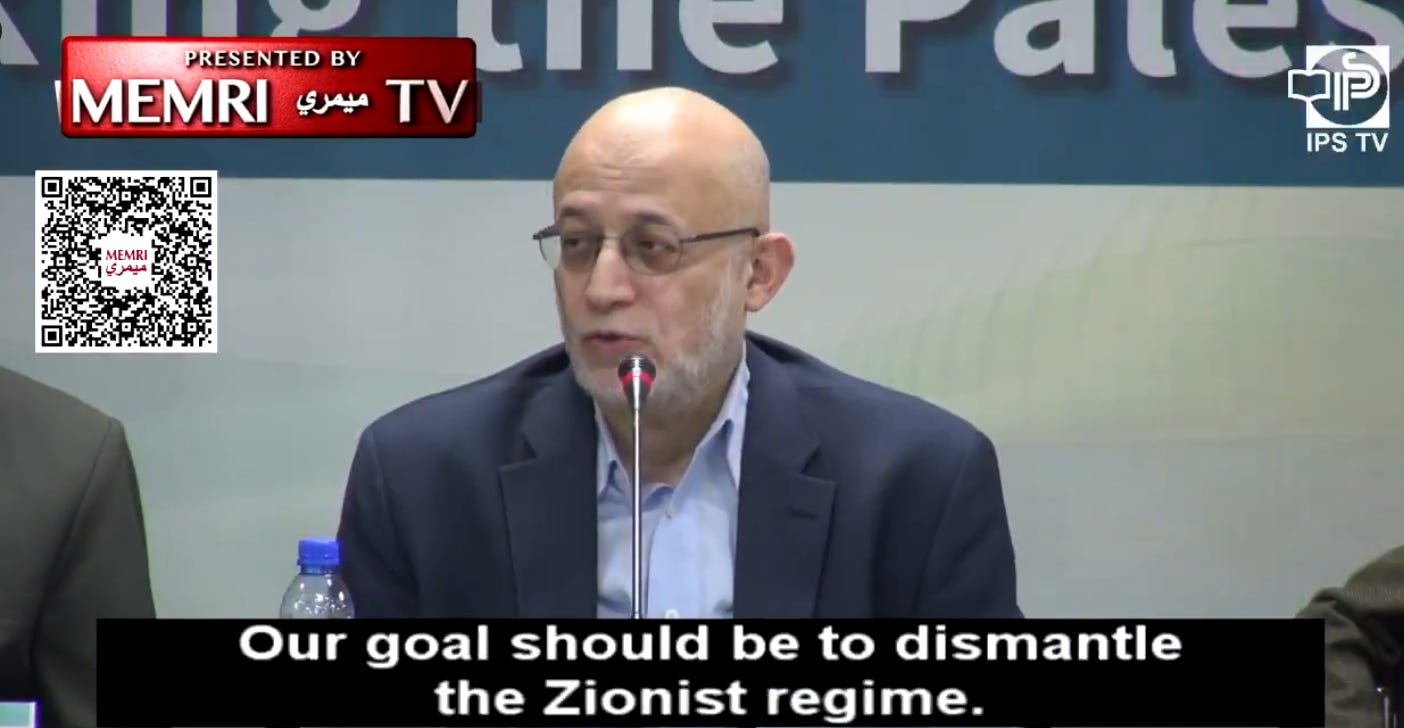
The report discusses the Al‑Arian family, alleging that Sami Al‑Arian (deported from the U.S. after a conviction related to providing services to Palestinian Islamic Jihad,) has been tied to GU‑Q through a 2017 student invitation and later through a Bridge Initiative report in 2021. It also notes family links to Al Jazeera, and identifies Abdullah Al‑Arian as a GU‑Q faculty member whose coursework includes “Islamic Movements.”
The Bridge Initiative and Anti-Western Rhetoric
MEF also scrutinizes Georgetown’s Bridge Initiative, housed within the Alwaleed Center (ACMCU). It highlights reporting that the initiative accepted funding from the International Institute for Islamic Thought (IIIT) and describes IIIT as having faced scrutiny over alleged Muslim Brotherhood ties. The report argues Bridge Initiative publications and public-facing materials frame “Islamophobia” as structurally embedded in Western governance and culture, contributing to what MEF calls a broader anti-Western narrative.
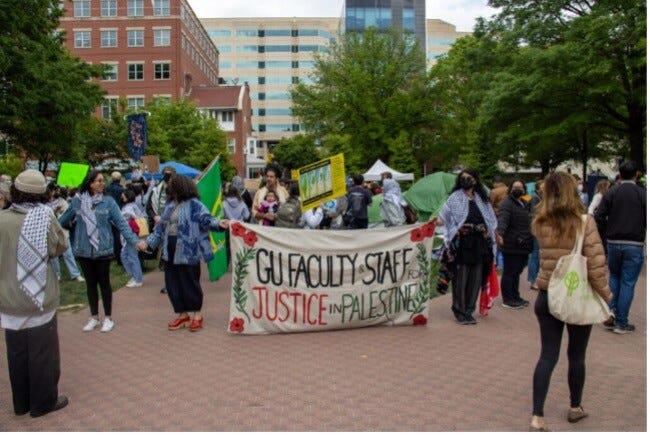
The report further cites examples of events and speakers at Georgetown-affiliated centers that it characterizes as minimizing or contextualizing Hamas’s Oct. 7, 2023 attack, and notes public letters and campus programming supporting Gaza encampments.
The report reveals how Georgetown’s Qatar partnership functions as part of a broader soft-power strategy—leveraging large-scale education funding, access to governance structures, and interconnected programming ecosystems to shape priorities within an elite U.S. institution. While acknowledging Georgetown’s stated contractual control over academic operations at GU‑Q, the report contends that the funding architecture and institutional integration create systemic risks to academic independence.
He who pays the piper calls the tune