Jewish Onliner is an independent publication. If you find our work valuable, please consider becoming a paid subscriber.
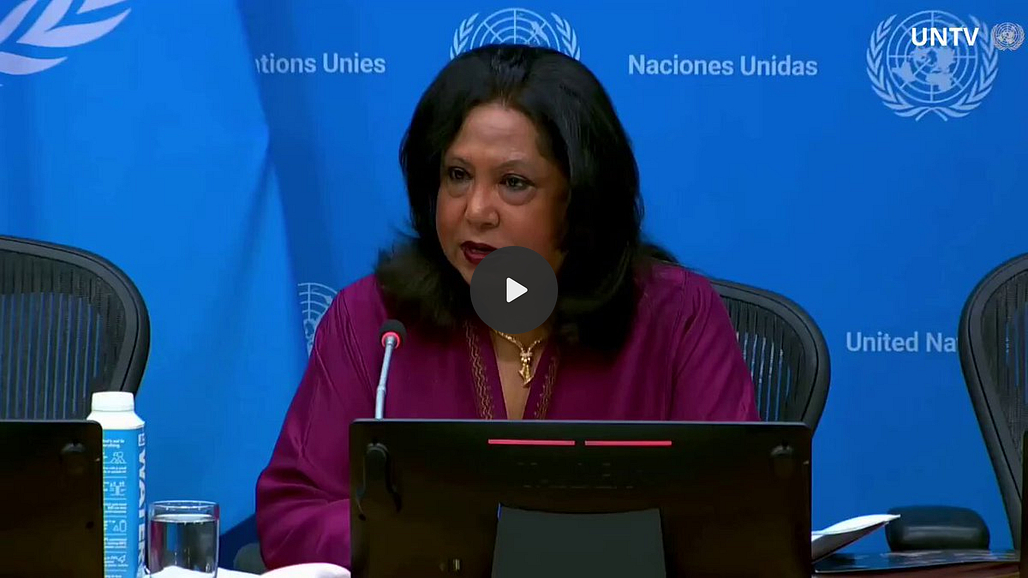
Pramila Patten, the UN official whose office compiled the report placing Israeli armed and security forces on a UN sexual violence blacklist, said she had not personally seen the evidence behind the allegations and insisted that verification was “not the responsibility of my office.”
“I made it clear to Israel I would not visit any detention facility, even if offered. It’s not the responsibility of my office to do any verification,” Patten, the UN Secretary-General’s Special Representative on Sexual Violence in Conflict, told reporters at a May 29 press conference. Asked whether she had seen the evidence herself, she replied, “No, because it’s not my job.”

The Blacklist Decision
The May 2026 report added Israeli armed and security forces to the UN’s annual list of parties credibly suspected of committing or being responsible for patterns of rape or other forms of sexual violence in conflict. The annex places Israeli security forces, including the Israel Defense Forces, Israel Prison Service, and police, in the same UN list as Hamas, Islamic State, and other terrorist groups.
The report’s own details raise questions about the evidentiary threshold behind the listing. Of the 31 cases involving Palestinian victims that the United Nations says it verified, 13 occurred in 2025, the report’s stated reporting year, while 18 dated to 2023 and 2024.
The report separately says the United Nations was unable to verify six public accounts of sexual violence from hostages released from Hamas captivity. The distinction underscores a central methodological concern: allegations involving Israeli security bodies were treated as verified for purposes of the report, while public accounts from released hostages remained outside the verified tally, despite a substantial public record documenting Hamas’s sexual violence on and after October 7.

Israel’s Response
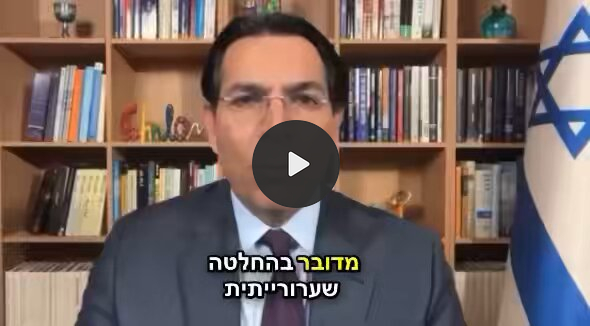
Israel responded by severing ties with UN Secretary-General António Guterres’s office, calling the decision “shameful and absurd.” Israeli Ambassador to the UN Danny Danon said the move was “political” and “detached from the facts and from reality.”

According to Danon, Israel had provided detailed responses to each allegation, shared its complete legal and oversight framework including regulations and complaint mechanisms, and arranged meetings between senior Prison Service, military, and Justice Ministry officials and Patten’s delegation. He stated that Patten canceled planned visits to Israel due to technical issues and security concerns, though Israel never blocked access.

A Pattern of UN Bias
Guterres was declared “persona non grata” by Israel in 2024, and the UN has faced accusations of ignoring Hamas’s use of civilians and civilian infrastructure while amplifying unverified claims against Israeli forces. The report itself says Hamas has not recognized any incidents of sexual violence or taken accountability measures.
Israel’s Foreign Ministry announced it would “wait until a new UN Secretary-General is appointed” after Guterres’s term expires on December 31, 2026, accusing him of exploiting “his final months as Secretary-General to fabricate baseless accusations against Israel.”