


Jewish Onliner is an independent publication. If you find our work valuable, please consider becoming a paid subscriber. You can also subscribe to us on WhatsApp and Telegram. Follow us on Instagram, Discord, and X.
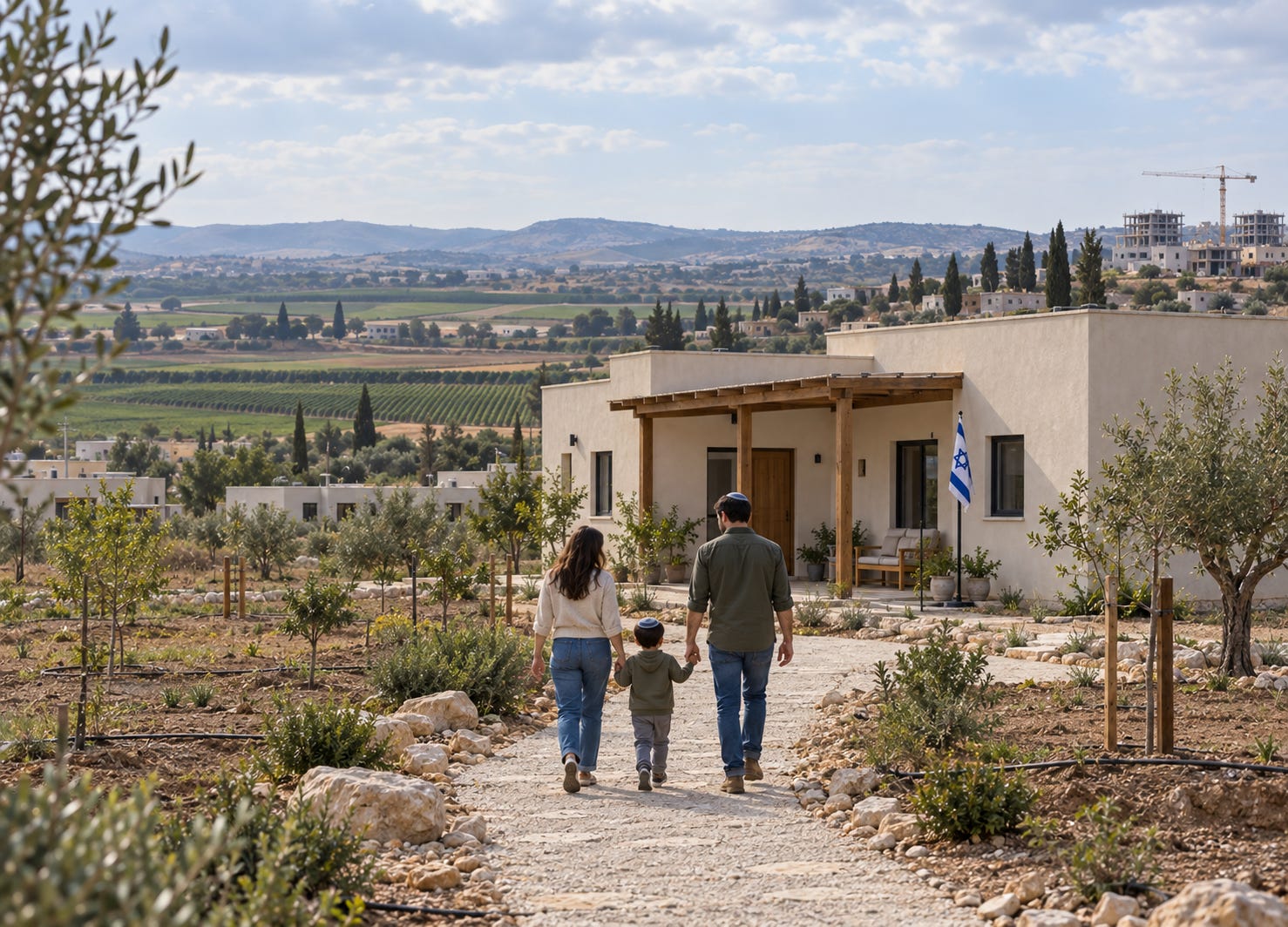
Three years after Hamas’s October 7 massacre, Israel’s rebuilding effort is taking shape across housing, agriculture, employment, healthcare and immigration. Families are returning to devastated communities. Volunteers are helping farmers restore their fields. Hospitals and technology companies are developing rehabilitation tools. Jews abroad are choosing to build their future in Israel.
Returning Home and Building Again
The clearest regional evidence comes from the Gaza border communities. In its September 24 update, the government’s Tekuma Directorate reported approximately 66,000 residents, around 5,000 more than before October 7, and a return rate exceeding 90%.
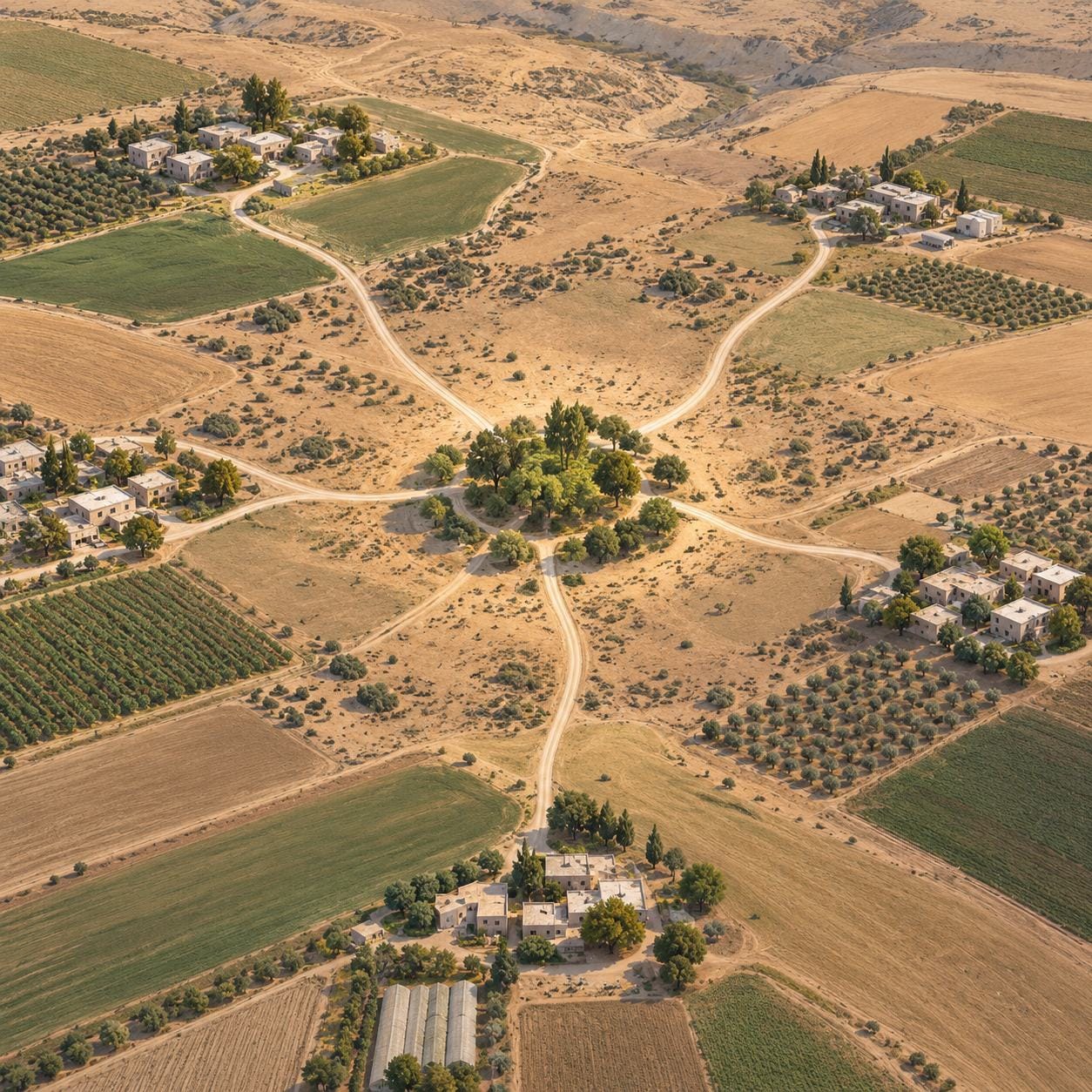
The directorate oversees a multiyear rehabilitation and development plan of approximately NIS 17 billion. By the end of 2025, NIS 11.6 billion had been committed. That funding supports the conditions families need to return and remain, from housing to essential services.
Recovery proceeds at different speeds. September reporting documented 10 new housing units built and approximately 30 renovated in Nir Oz. Reconstruction budgets stood at NIS 232 million for Nir Oz, NIS 473 million for Be’eri and NIS 211 million for Kfar Aza.
At Nahal Oz, cooperation between the kibbutz, KKL-JNF, the Housing Ministry, Tekuma and Sha’ar HaNegev Regional Council has produced new housing for incoming families. KKL-JNF announced the inauguration of six semi-detached residential buildings in September, with another four under construction. Its investment in the two neighborhoods totals approximately NIS 8.8 million.
Restoring Livelihoods and Community Life
Beyond construction sites, farmers and volunteers are sustaining the country’s recovery. In its 2025 report, Leket Israel recorded 120,000 volunteers, including 74,000 helping farmers harvest crops and rehabilitate fields. Approximately 700 farmers donated produce.
Across its annual operations, Leket distributed approximately 32,000 metric tons of agricultural produce and 2.24 million hot meals. This network connects agricultural recovery with support for families facing hardship.
Employment and functioning institutions are equally important. JDC’s October 1 recovery update reported career guidance and support for 19,500 evacuees, unemployed people, reservists and people wounded in the war, alongside assistance to 4,400 businesses, farms and factories in hard-hit regions.
The Kibbutz Movement Rehabilitation Fund separately reports supporting 56 communities and more than 50 recovery initiatives across northern and southern Israel, including local leadership and community development.

Helping People Recover Their Independence
Medical rehabilitation forms another part of the national effort. In December 2025, the Israel Innovation Authority, Health Ministry and Class Actions Foundation announced NIS 10 million for eight rehabilitation technology pilots.
Participating hospitals include Sheba, Soroka, Hadassah, Loewenstein and Reuth. Projects address mobility, hearing, speech, limb sensation and rehabilitation for amputees. These pilots seek to help wounded people regain independence and return to daily life.
New Arrivals and a New Generation
Aliyah is bringing additional families and skills into Israeli society. Ministry and Jewish Agency figures recorded more than 20,000 arrivals from over 100 countries between September 23, 2025, and September 3, 2026, including 414 doctors.
North American aliyah reached 4,150 arrivals in 2025, a four-year high. Rising applications prompted Nefesh B’Nefesh to expand staff and hold dozens of information and support events.


Renewal is also unfolding within survivor communities. The Nova Tribe Community’s “Born Together” program supports pregnancy, childbirth and parenthood. A 2026 report documented 120 baby grants distributed to survivors and bereaved families.
On this anniversary, those children, returning families and new homes give Israel’s rebuilding a human face. Communities carrying profound loss are creating places where another generation can grow, belong and build a future.