


A data-driven analysis of 181,561 social media posts reveals a stark double standard in international human rights advocacy. While major NGOs, UN bodies, and media outlets published extensively about Israel following October 7, 2023, they remained virtually silent on Iran’s execution of an estimated 12,000-20,000 protesters. Of 20 prominent organizations examined, only three explicitly criticized Iranian conduct, and the UN’s top human rights body delayed substantive criticism for over a week—exposing a troubling gap between rhetoric about universal human rights and actual practice.
The Glaring Double Standard
Against the backdrop of ongoing protests in the Islamic Republic of Iran, questions have emerged regarding the extent and nature of international human rights advocacy related to Iran, particularly on social media. Since October 7, 2023—when Hamas carried out an attack in Israel that resulted in approximately 1,200 deaths and the abduction of roughly 250 individuals—public communications by major nongovernmental organizations (NGOs), United Nations (UN) bodies, and influential media outlets have frequently focused on Israel’s conduct in Gaza, including recurring use of the term “genocide” in public commentary.
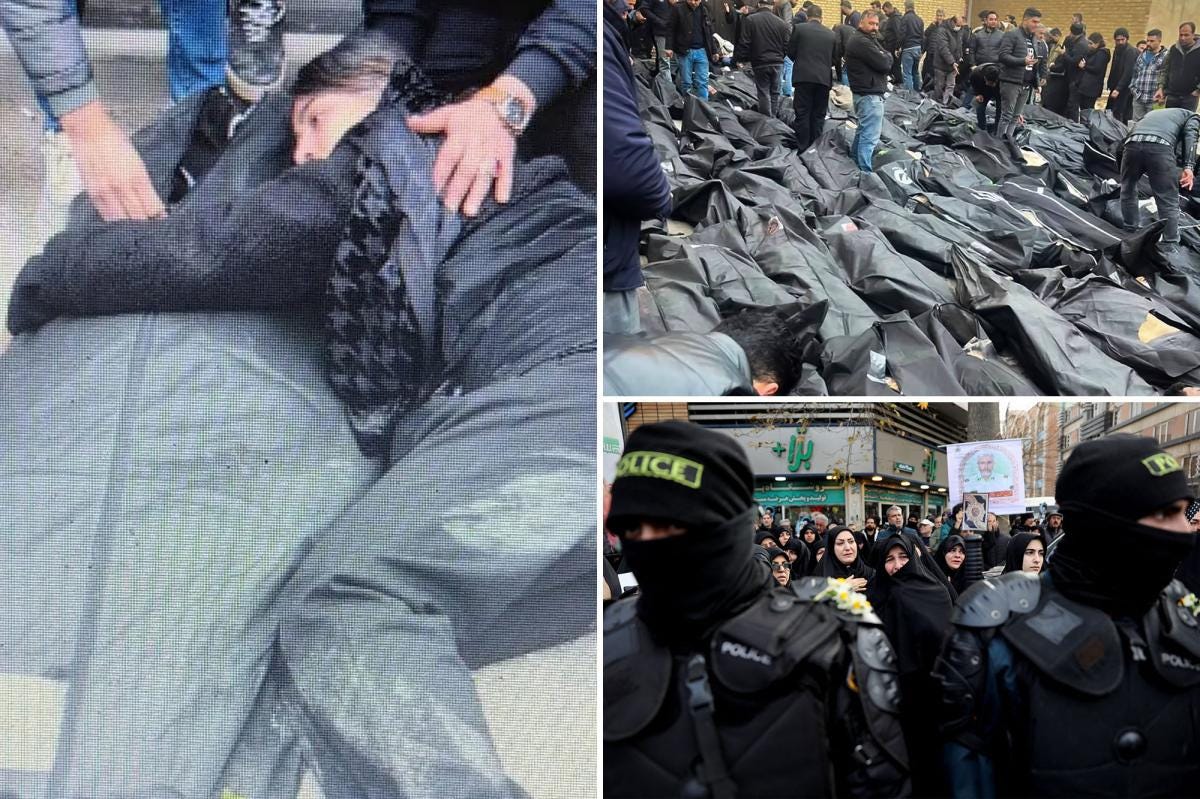
At the same time, critics have alleged that these same actors have devoted comparatively less attention to the Iranian government’s response to domestic protests, in which 12,000 — 20,000 civilians have reportedly been executed by the government’s internal security apparatus. Reports and public claims have described a large-scale crackdown on protesters, including allegations of significant fatalities and widespread repression. In addition, observers have argued that some public messaging by international organizations and media has, at times, minimized or reframed the Iranian government’s actions rather than explicitly condemning them.
In light of these concerns, Jewish Onliner—working with an independent third party specializing in large-scale data processing—conducted a study to systematically analyze the public-facing content output of prominent organizations within the human rights sector. The purpose of the study was to assess how these entities addressed Iran in the period following October 7, 2023, and specifically whether and how they referenced the current protests.
Methodology of the Analysis
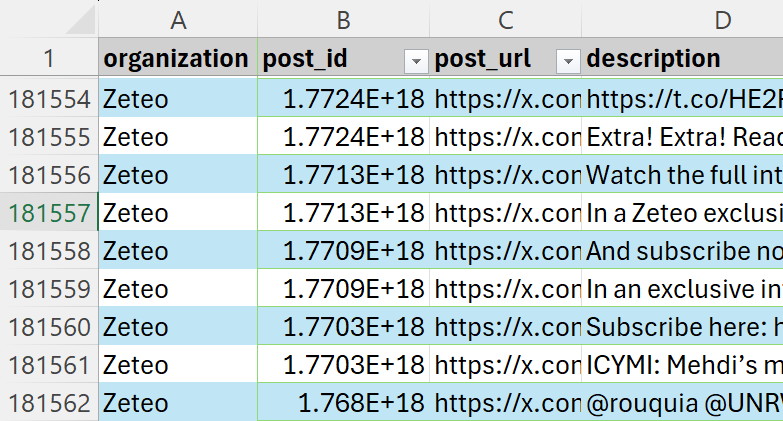
For its analysis, Jewish Onliner reviewed 181,561 posts, retweets, and quote tweets from the following official X (formerly Twitter) accounts published between October 7, 2023, and January 14, 2026: the American Friends Service Committee, ANSWER Coalition, CAIR, CODEPINK, Democratic Socialists of America, Drop Site News, Euro-Med HR, MPower Change, ICRC, Doctors Without Borders, National Lawyers Guild, Oikoumene, Oxfam, The People's Forum, Committee to Protect Journalists, Party for Socialism and Liberation, Save The Children, Center for Constitutional Rights, UN Human Rights Council, UN Office of the High Commissioner for Human Rights, and Zeteo.
X was selected as the primary platform for analysis because it is widely used for real-time political communication by institutions, journalists, and advocacy organizations, and because it provides high-volume, time-stamped public posts that are comparatively accessible for systematic collection and longitudinal comparison.
Disturbing Selective Advocacy
The analysis reveals a striking disparity between the volume and framing of international organizations and activist groups' public messaging regarding Israel-Palestine versus Iran during the period from October 7, 2023, to January 14, 2026. The dataset examined 20 prominent organizations across the human rights, activist, journalistic, and multilateral sectors, encompassing a total of 181,561 posts across their official X accounts.
The data reveals a troubling pattern in international human rights advocacy: certain geopolitical conflicts receive disproportionate attention while others are systematically neglected. While coverage of Israel-Palestine is neither surprising nor inherently problematic, the near-total silence on Iranian regime repression exposes a significant gap in the purported universal commitment to human rights.
That only three of twenty organizations explicitly criticized Iranian conduct—and that the UN’s top human rights body delayed substantive criticism by over a week—demonstrates a stark inconsistency: many international organizations appear willing to aggressively condemn Israel while according the Iranian regime the benefit of silence or deflection.
Hi--could you share the criteria for selecting these twenty organizations? I don't see it in the report, and would appreciate this information!