


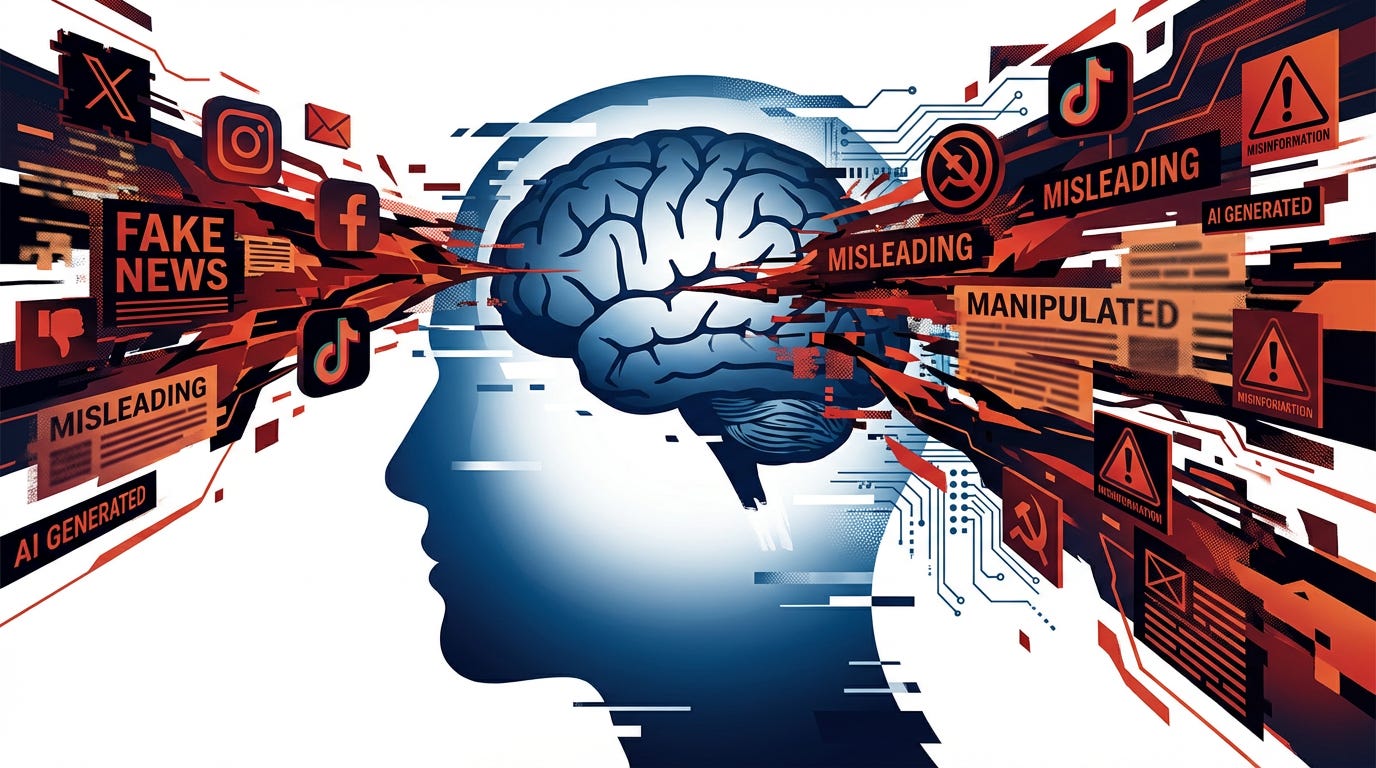
A fabricated video showed Iranian missiles striking Tel Aviv. Another depicted panicked crowds fleeing a fictional attack on an airport in Tel Aviv. A third claimed to show captured U.S. special forces held at gunpoint by Iranian troops. None of it was real — but the videos collectively reached tens of millions of viewers across social media platforms in March 2026, as Iran waged what researchers describe as “a sophisticated information war” against Israel and the United States during Operation Epic Fury.
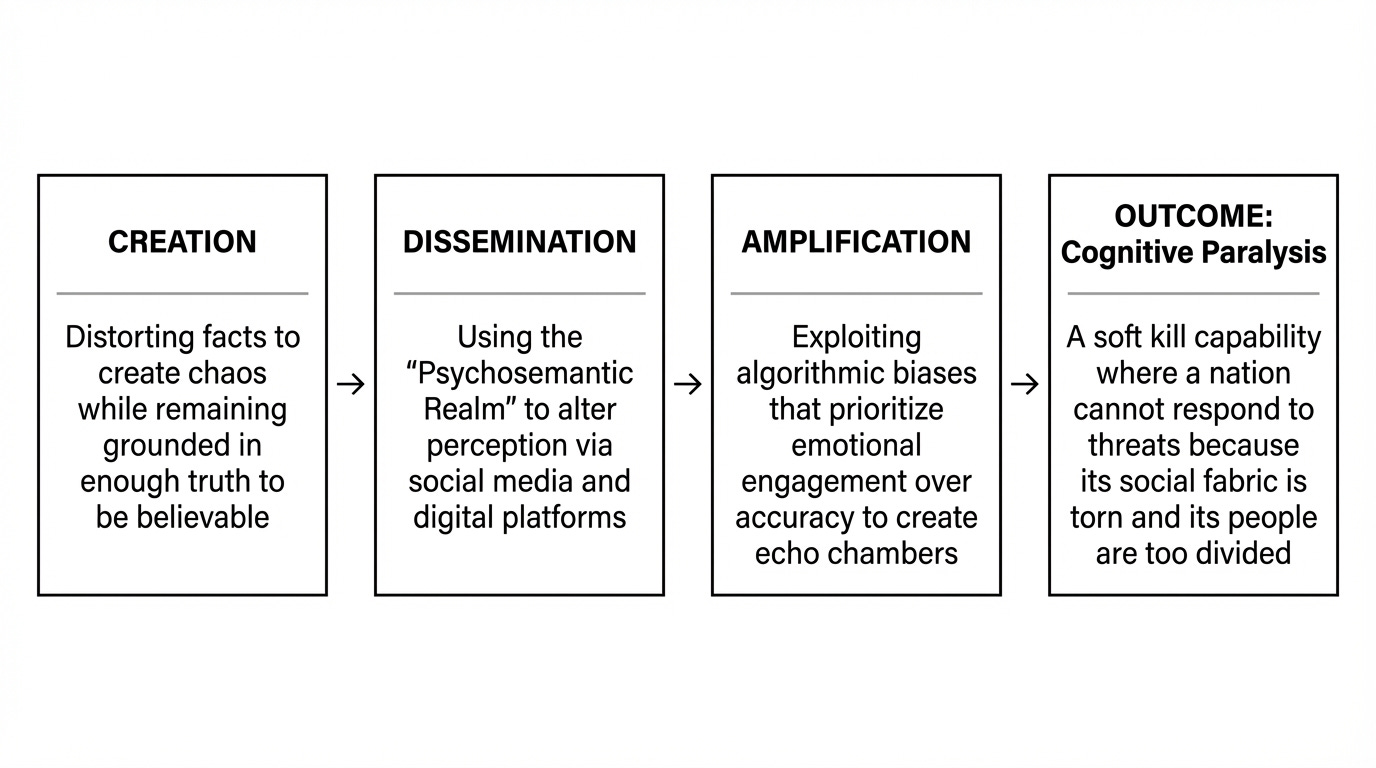
This isn’t traditional propaganda. It’s Fifth-Generation Warfare (5GW) — a systematic campaign to manipulate truth itself, creating what a new academic paper published in April 2026 calls “cognitive paralysis,” a state where populations become unable to distinguish credible information from manipulation. And according to researchers tracking Iran’s operations, the Islamic Republic has emerged as a master of this new form of conflict — one where the battlefield is the human mind, and Israel is a primary target.
The Three-Stage Disinformation Cycle
The research paper, “The Weaponization of Truth: Analyzing Misinformation as a Pillar of Fifth-Generation Warfare,” was published by Malaysian researchers Mehran Hayat and Nazni Noordin in the International Journal of Research and Innovation in Social Science. The study examined how modern adversaries use disinformation not as a byproduct of conflict, but as a core strategic weapon targeting perception itself.
The researchers identified a strategic cycle that enables disinformation to achieve cognitive paralysis: creation (where information is selectively distorted while preserving elements of truth to enhance credibility), dissemination (content distributed through digital platforms targeting specific audiences), and amplification (where algorithmic systems prioritize engagement-driven content, enabling rapid viral spread).
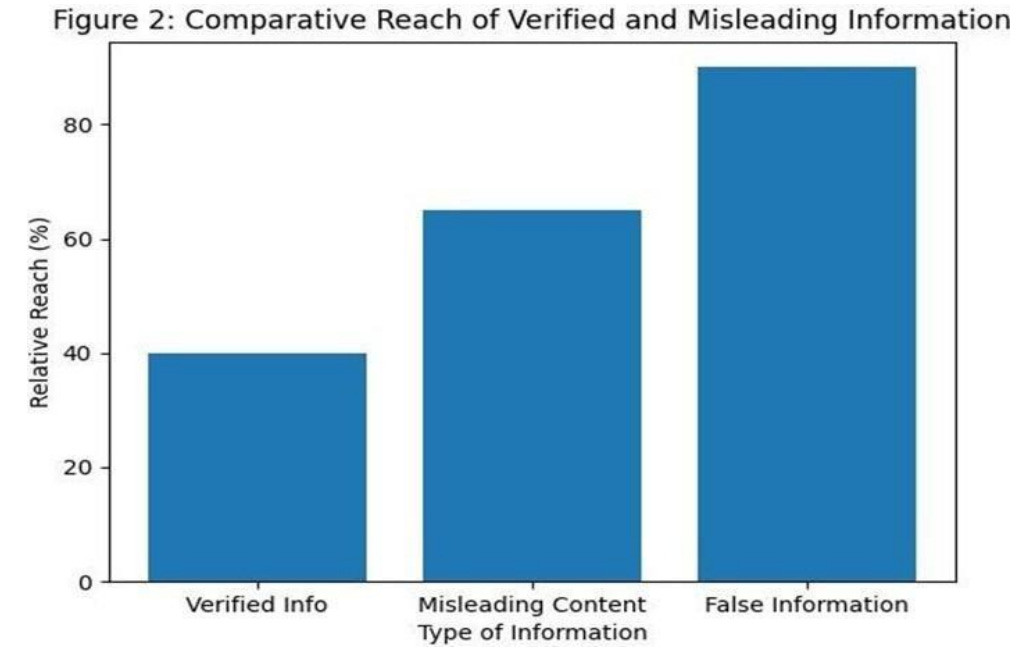
Critically, the study demonstrates that misleading information consistently achieves greater reach than verified content across digital platforms — a pattern driven by algorithms that reward emotionally charged material regardless of accuracy, reinforcing echo chambers and amplifying psychological impact.
Using the Iran-Israel conflict as a case study, the paper documented how “digitally mediated narratives are deliberately constructed and amplified to influence both domestic and international audiences.” The researchers concluded that governments should “prioritize digital literacy initiatives to strengthen the public’s ability to critically evaluate information” — enhancing analytical awareness to reduce susceptibility to manipulated narratives.
This framework isn’t theoretical. During the February-March 2026 conflict, Iranian state media and proxies launched what NewsGuard described as an unprecedented offensive, identifying 18 false war-related claims by Iranian sources in just two weeks.
AI-Generated Lies at Industrial Scale
Iranian state outlets and covert operatives produced “a steady torrent of propaganda, overstated narratives and outright disinformation,” increasingly wielding generative AI tools to create realistic imagery. Tehran Times published a manipulated satellite image purporting to show destruction at Qatar’s Al-Udeid Air Base. Military-aligned outlet Tasnim claimed 650 U.S. troops were killed or wounded in two days — U.S. Central Command confirmed six fatalities. Semi-official outlet Mehr reported Iranian missiles hit the USS Abraham Lincoln, which CENTCOM stated was neither hit nor targeted.
Iran’s campaign included “flooding platforms such as X, Instagram and Bluesky with targeted postings” featuring AI-generated videos and fabricated footage of strikes on Israeli targets. Clemson researchers discovered that Iranian troll accounts previously posting about Scottish independence or Irish politics were “immediately redirected” after strikes began February 28, suddenly posting “unabashed Iranian propaganda.”
Cyber Operations and Antisemitic Targeting
Iran’s information warfare operates alongside cyber operations. Palo Alto Networks’ Unit 42 documented an escalation of Iranian-linked activity in March 2026, identifying 7,381 conflict-related phishing URLs across 1,881 unique domains. Iranian-linked groups claimed responsibility for compromising Israeli energy companies, healthcare networks, and payment infrastructure, plus critical infrastructure in Jordan, Saudi Arabia, Bahrain, and the UAE.
The campaign extends to ideological subversion. A March 2026 briefing by the Simon Wiesenthal Center exposed how Iran uses “propaganda and disinformation to promote antisemitic narratives as part of an effort to undermine the West.”
For Israel and the U.S., facing an adversary that has spent half a century preparing for precisely this form of conflict, the battlefield of the mind may prove more challenging to defend than any physical border.
💯💯 Fact
https://behindthenarrative7.substack.com/p/world-war-three-is-already-happening?utm_source=share&utm_medium=android&r=bpnge
This has been going on for years by Muslim countries for decades