


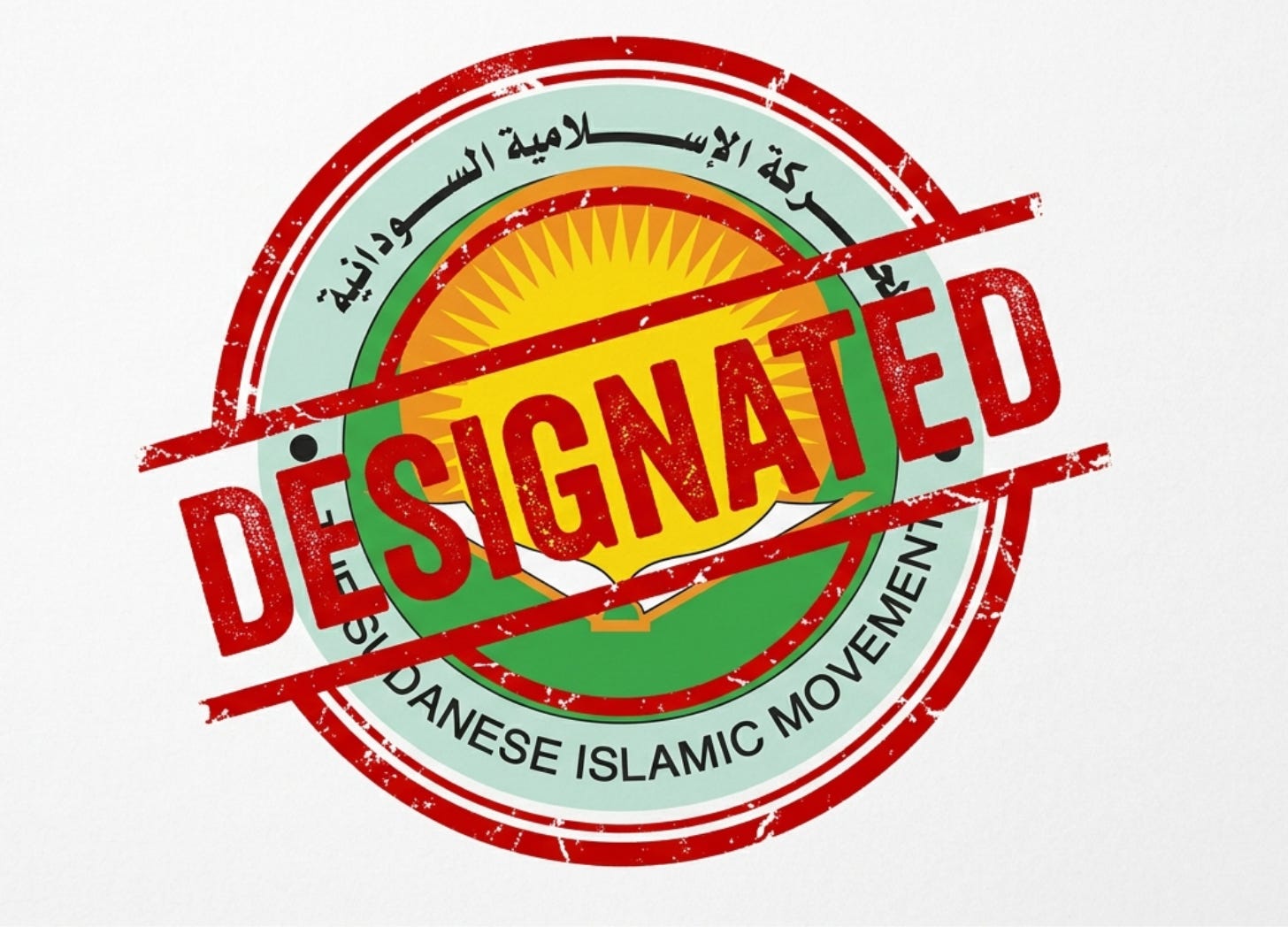
The U.S. designation of the Sudanese Muslim Brotherhood, also known as the Sudanese Islamic Movement, offers a new point of comparison in Washington’s broader effort to classify Iran-backed militias. In a March 9 State Department announcement, the group was designated as a Specially Designated Global Terrorist, with the department saying it intends to add it to the Foreign Terrorist Organization list effective March 16. The State Department said the group used violence against civilians in Sudan and that many of its fighters had received training and other support from Iran’s Islamic Revolutionary Guard Corps (IRGC)
A related State Department fact sheet said the Sudanese Muslim Brotherhood includes the Sudanese Islamic Movement and its armed wing, the al-Baraa Bin Malik Brigade.
According to the State Department, the Sudanese Muslim Brotherhood has contributed more than 20,000 fighters to the war in Sudan, and its forces carried out repeated summary executions of civilians in captured areas, including killings based on race, ethnicity, and suspected affiliation with opposition groups. The United States had already sanctioned the al-Baraa Bin Malik Brigade in September 2025 under Executive Order 14098, a Sudan-related sanctions authority.
Existing Designations
The Sudan case fits into an already extensive U.S. designation structure targeting Iran and aligned armed groups. The current State Department FTO list includes the IRGC, Hezbollah, Ansarallah, Kata’ib Hizballah, and Asa’ib Ahl al-Haq. In September 2025, the State Department also added Harakat al-Nujaba, Kata’ib Sayyid al-Shuhada, Harakat Ansar Allah al-Awfiya, and Kata’ib al-Imam Ali, saying Iran had supported several of those groups with training, funding, logistics, and weapons.
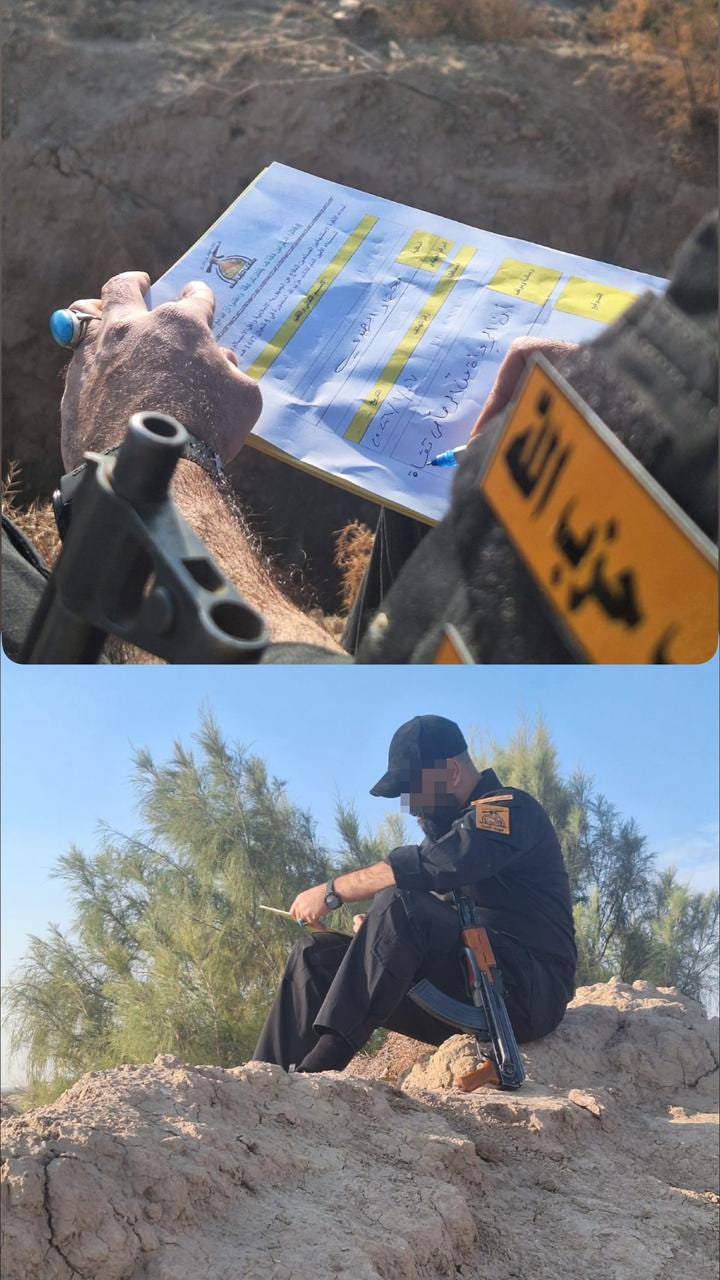
The broader U.S. description of Iran’s regional network has been consistent. In Country Reports on Terrorism 2023, the State Department said Iran remained the world’s leading state sponsor of terrorism and identified the IRGC-Qods Force as Tehran’s primary mechanism for supporting terrorist activity abroad. A 2024 Congressional Research Service brief similarly said the IRGC-QF coordinates Iranian support to armed groups overseas and identified Hezbollah, Hamas, the Houthis, and Iraqi militias as major beneficiaries.
Badr Organization
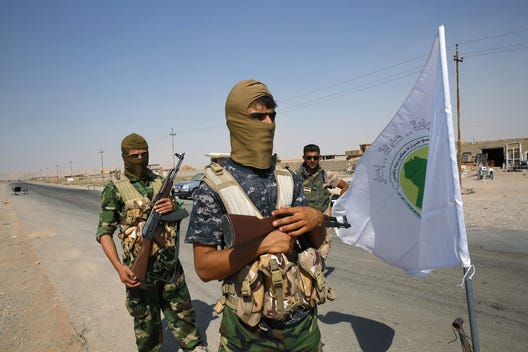
One of the clearest groups still outside the FTO framework is Badr Organization, also known as the Badr Brigade, an Iraqi militia and political movement with longstanding ties to Iran. In 2020, lawmakers introduced the Badr Organization Designation Act, which said the group receives training, funding, and arms from the IRGC and IRGC-Quds Force, works closely with already designated organizations including Kata’ib Hezbollah and Asa’ib Ahl al-Haq, and has been linked to attacks on Americans as well as abuses against civilians and prisoners. The bill directed the State Department to determine whether Badr met the criteria for FTO designation and Global Magnitsky sanctions, and directed Treasury to determine whether it met the criteria for sanctions under Executive Order 13224.
The same bill pointed to several specific episodes and patterns of conduct. It cited Badr leader Hadi al-Amiri’s presence alongside Abu Mahdi al-Mohandes during the December 31, 2019 assault on the U.S. Embassy in Baghdad, said the organization has been involved in killing civilians and summarily executing Sunni prisoners, and said Badr fighters deployed to Syria on behalf of the Assad regime, including during the 2016 siege of Aleppo, where pro-government Iraqi militias were accused of executing civilians. Badr does not appear on the current FTO list.
Polisario Front
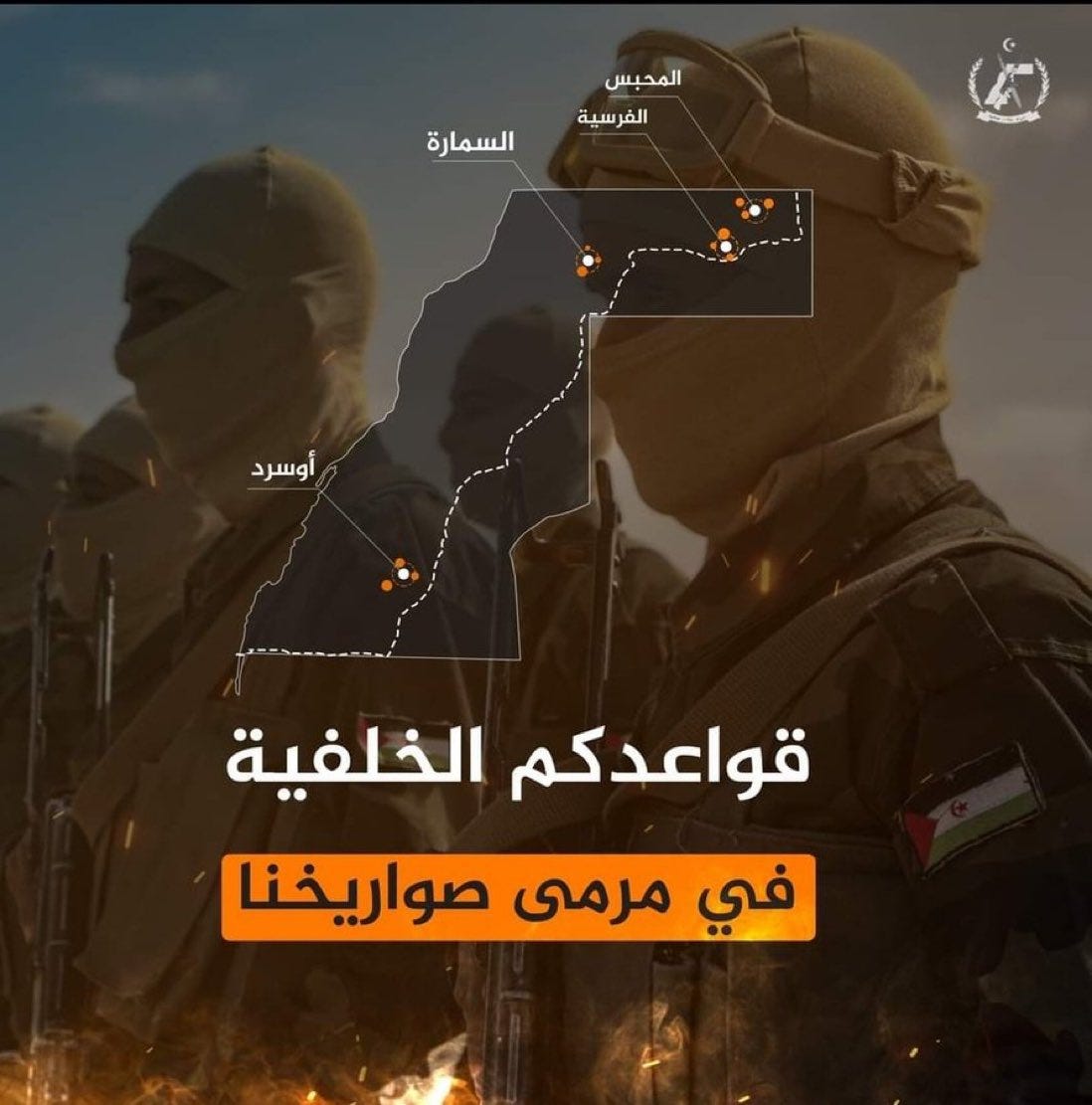
Another group relevant to the designation question is the Polisario Front, which operates primarily in Western Sahara and the Tindouf camps in Algeria. A 2025 House bill seeking sanctions and a formal designation review said the Polisario Front had a documented history of ties to Iran, cited reporting that Hezbollah trainers were present in Tindouf in 2018, and referenced claims that Iranian support had expanded to drone-related training and matériel. The bill also cited April 2025 Washington Post reporting that said Iran had trained Polisario fighters and provided unmanned aerial vehicles
Wider Pool
The Iranian Terror Prevention Act, introduced in 2025, listed 29 named groups for mandatory FTO designation if enacted, plus a catch-all category covering foreign entities or organizations that are agents of, affiliated with, or owned or controlled by the IRGC.
Beyond groups later designated in 2025, the bill named Badr Organization, Fatemiyoun Brigade, Zainabiyoun Brigade, Abu Fadl al-Abbas Brigades, Sarayya Khorasani, Saraya al-Salam, Liwa al-Baqir, and Saray Awliya al-Dam, among others. A review of the current FTO list shows many of those organizations are still not included.
The Sudan designation does not change the legal status of those groups. It does, however, add a recent example of how the U.S. government is describing armed organizations that receive IRGC support and are accused of systematic violence. Within that framework, Badr Organization, the Polisario Front, and Treasury-sanctioned formations such as Fatemiyoun and Zaynabiyoun remain outside the State Department’s FTO list.