


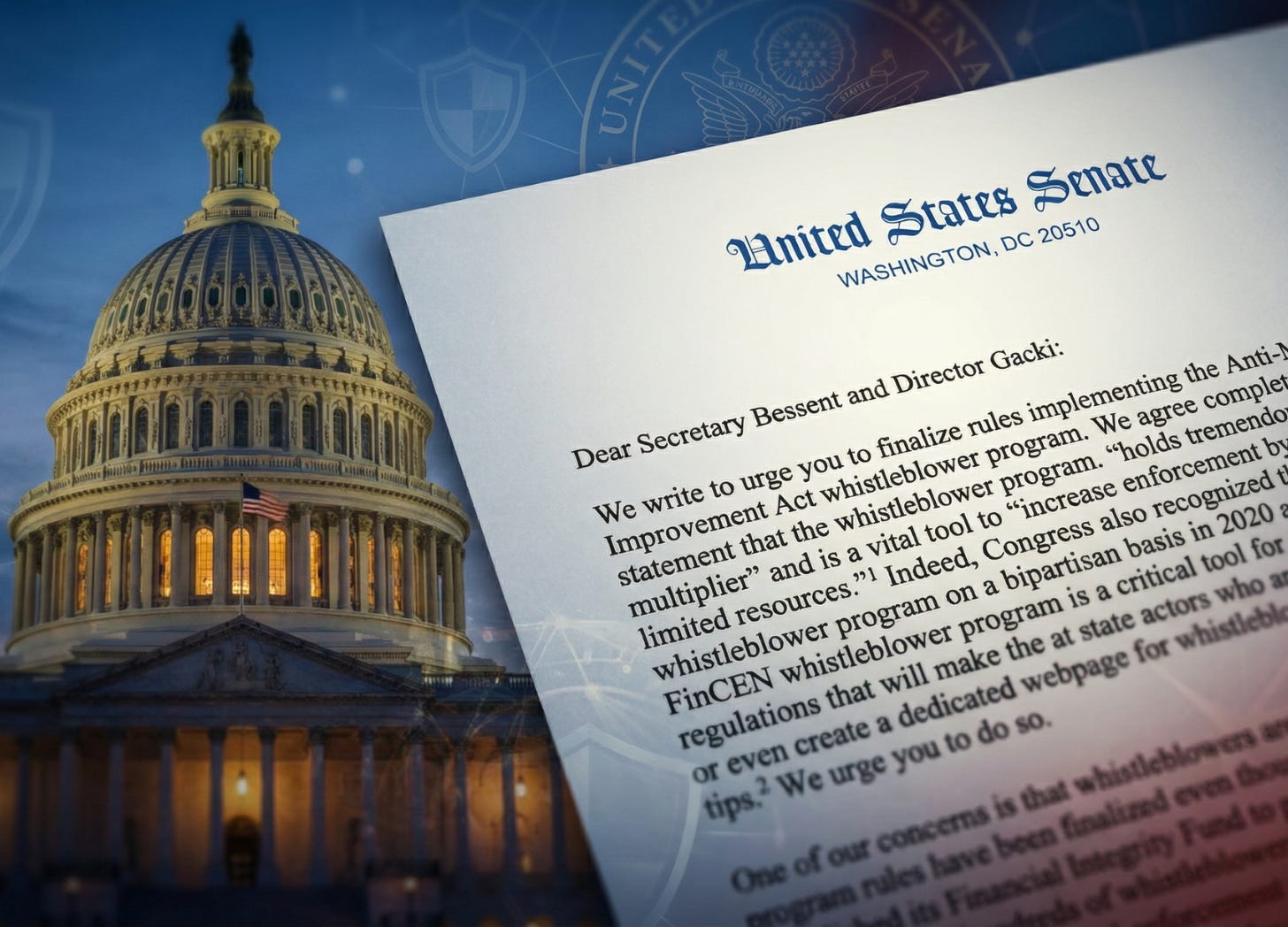
Senators John Fetterman (D-PA) and Chuck Grassley (R-IA) are pressing the Treasury Department to immediately finalize regulations for a whistleblower program designed to combat money laundering, terror-financing, and sanctions evasion that has sat dormant for over five years despite receiving hundreds of tips from informants.
The senators argue that delaying implementation leaves America vulnerable to increasingly sophisticated schemes deployed by adversaries including Hezbollah, Chinese criminal organizations, Iranian operatives, North Korean entities, and Kremlin-linked actors who are actively exploiting financial system vulnerabilities.
Program Remains Inoperative Despite Congressional Authorization
Congress established the Anti-Money Laundering Whistleblower Improvement Act program on a bipartisan basis in 2020 and strengthened it in 2022, yet the Financial Crimes Enforcement Network (FinCEN) has failed to finalize the rules necessary to make it fully operational.
The senators note that FinCEN has not even created a dedicated webpage for whistleblowers to learn about or submit tips to the program. More critically, the agency has been unable to pay out any awards to whistleblowers who have already submitted hundreds of actionable tips—despite FinCEN having already established a Financial Integrity Fund specifically designed for payouts.
“An effective FinCEN whistleblower program is a critical tool for America’s on-going fight against terrorists, drug-traffickers, and sanctioned state actors who are threats to our national security,” Fetterman and Grassley wrote in their letter to Treasury Secretary Scott Bessent and FinCEN Director Andrea Gacki.
The senators emphasized that swift implementation and prompt payment of awards is essential to incentivizing future whistleblowers “who put their livelihoods and often lives on the line to help law enforcement find and stop the flow of illicit funds.”
Terrorists and Cartels Exploit Financial System Loopholes
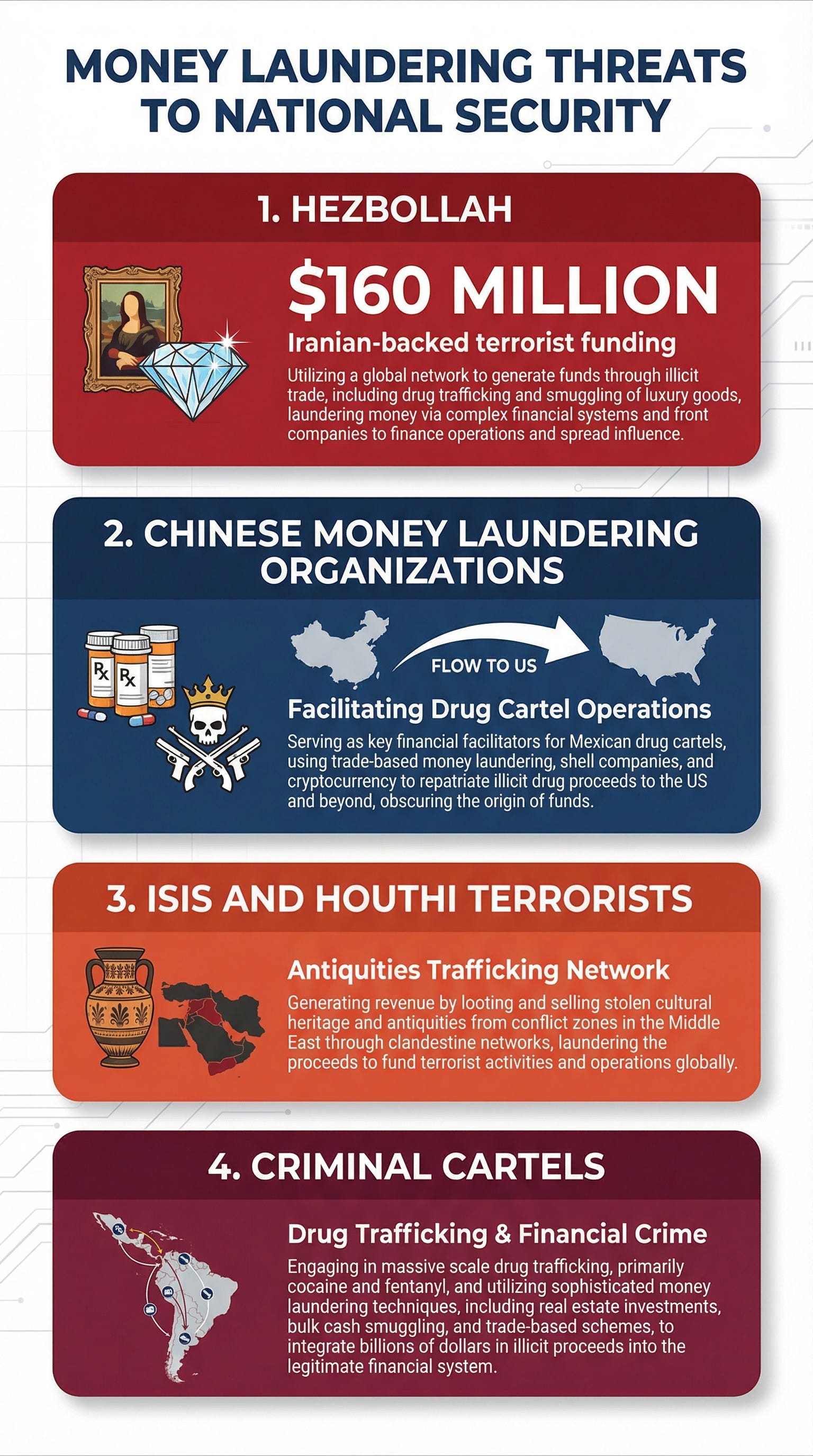
The senators detailed how America’s adversaries are actively using sophisticated money laundering schemes that whistleblowers could help expose. Hezbollah, the Iranian-backed terrorist organization, has leveraged art and diamonds to move $160 million to fund its terrorism operations. Chinese Money Laundering Organizations are facilitating the laundering of proceeds from opiate trafficking by criminal cartels flowing into the United States. Similarly, ISIS and Houthi terrorists, along with criminal organizations operating across South and Central America, have exploited antiquities trafficking to clean illicit funds.
“Kremlin cronies, North Korea, and Iran continue to find loopholes in the U.S. financial system,” the senators wrote, underscoring how state and non-state actors are continuously adapting their methods to evade detection and sanctions compliance.
Complementary Legislation Targets Art Market Vulnerabilities
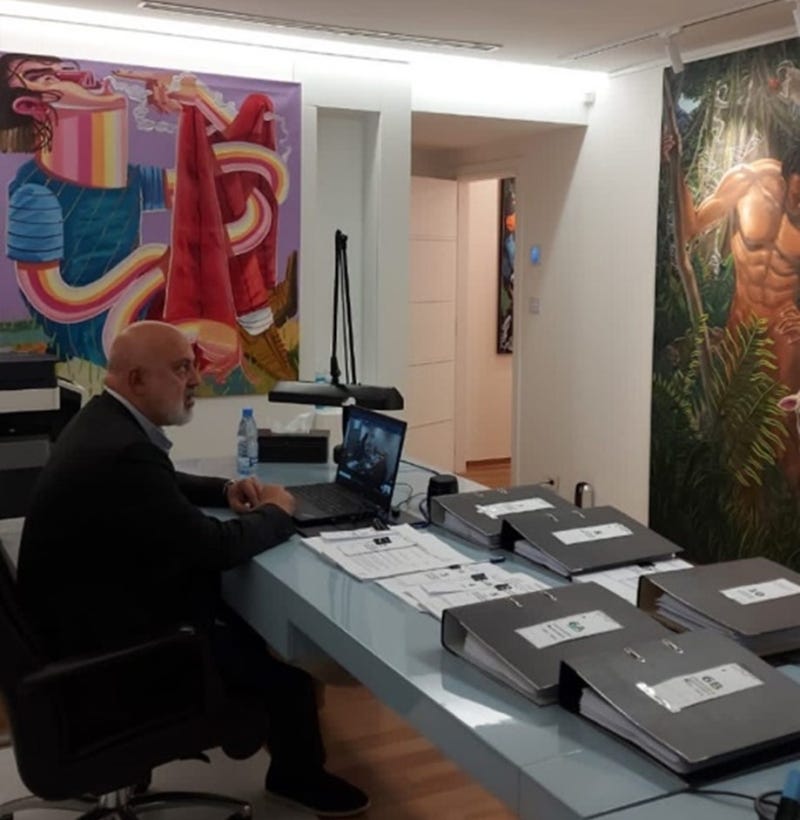
Fetterman and Grassley previously introduced the bipartisan Art Market Integrity Act, which would require art dealers and auction houses to comply with existing anti-money laundering and counter-terrorism financing regulations.
The legislation would require the industry to maintain records and report high-value transactions—aligning the United States with international standards already adopted by the United Kingdom, European Union, and Switzerland. The over $25 billion domestic art market has emerged as a significant vulnerability, with the proposed bill designed to prevent terrorist organizations and criminal networks from using high-value art purchases to obscure illicit funds.
The senators called on FinCEN to finalize its rules “consistent with best whistleblower practices” and to “swiftly pay out awards to successful whistleblowers” to create an effective enforcement force-multiplier in the fight against transnational financial crimes and terrorism financing.