


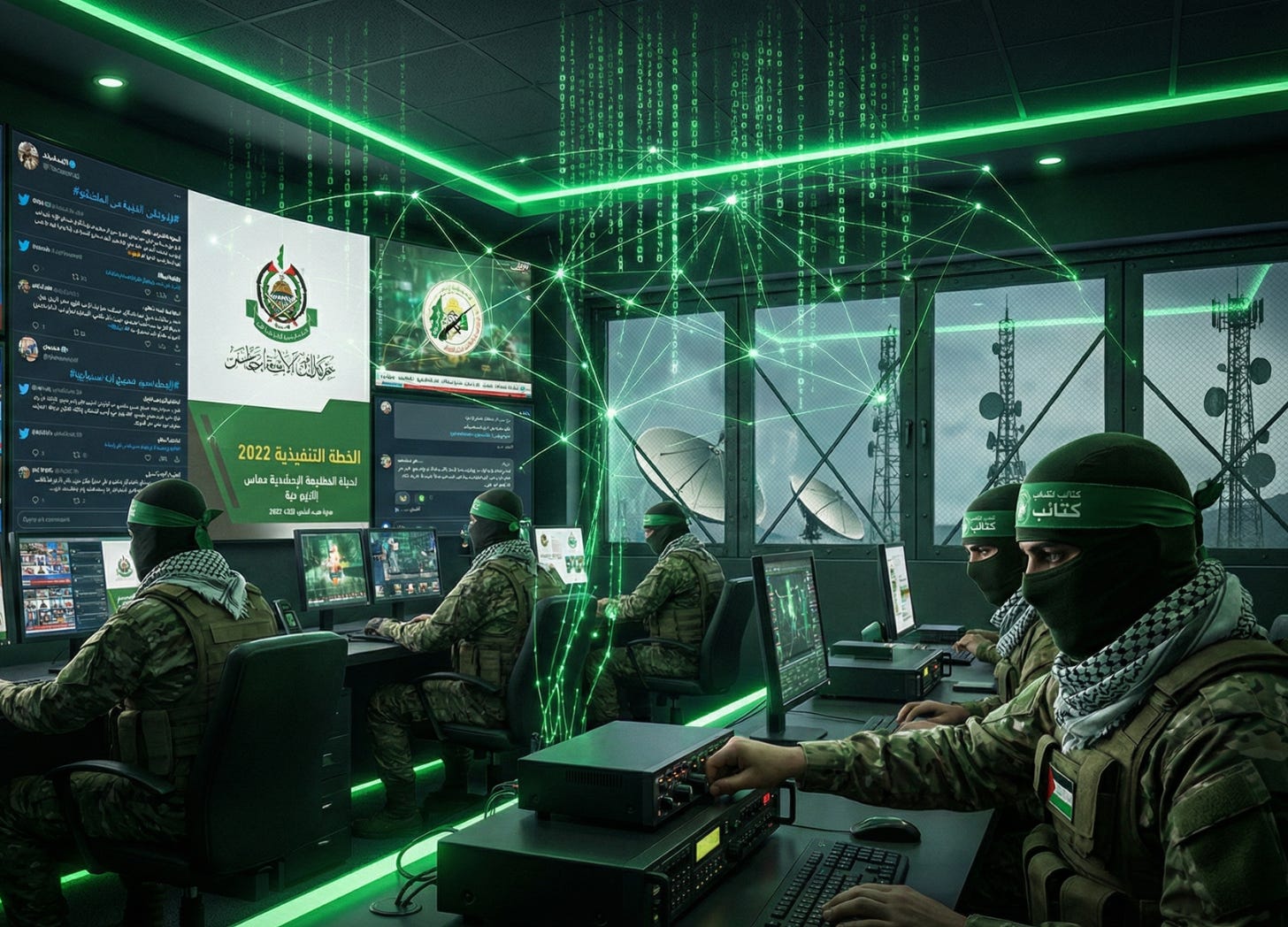
A recent report by the Meir Amit Intelligence and Terrorism Information Center (ITIC), based on Hamas documents seized by the IDF in Gaza, argues that Hamas maintains centralized managerial, financial, and strategic control over a broad media ecosystem, including outlets presented publicly as “independent.”
The report, published on February 22, 2026, draws from documents captured during military operations in Gaza and provides an unprecedented window into how the Palestinian terrorist organization coordinates its information warfare against Israel and the broader international community.
The Hybrid Media Model
At the heart of Hamas’s strategy lies what Israeli analysts term a “hybrid” media ecosystem—a deliberately constructed system designed to create the appearance of press diversity while maintaining absolute editorial control. According to the report, Hamas operates both official outlets like the Al-Resala media institution, the Al-Aqsa television network, and the Palestine newspaper, alongside news agencies Shehab and SAFA that publicly present themselves as independent journalistic organizations.
“This hybrid media system is not accidental,” the report states. “It is designed to allow Hamas to appear to advocate for media pluralism, while in fact it fully controls the media discourse.” This arrangement also provides the organization with diplomatic and operational flexibility, including the ability to circumvent sanctions and deny association with extreme content by attributing it to “independent” outlets.
The information department, led by Ali Al-Amoudi, maintains oversight of the entire ecosystem through regular inspections and coordination meetings designed to ensure all media activity aligns with Hamas’s broader strategic messaging and tactical objectives.


The Rise of Ali Al-Amoudi
The report adds that unofficial reports in late 2025 claimed al-Amoudi was appointed acting head of Hamas’s political bureau in Gaza and was being discussed as a potential successor to Yahya Sinwar.
It traces his proximity to Sinwar back to their time in Israeli prison: al-Amoudi was arrested in 2004, released in the 2011 Gilad Shalit exchange, and, according to the report, developed a close relationship with Sinwar while incarcerated. The report says al-Amoudi later served as Sinwar’s office manager during Sinwar’s first term leading Hamas’s political bureau in Gaza (2017–2021).
Detailed Strategic Blueprint: 25 Projects and $2.24 Million
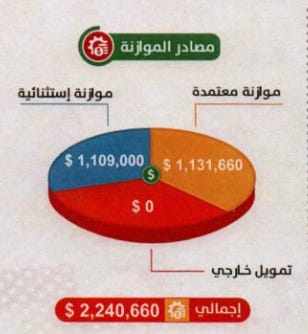
Perhaps most revealing are captured documents outlining Hamas’s operational plan for 2022-2025, which breaks down the organization’s media strategy into 25 major projects with measurable goals, specific content quotas, assigned budgets, and detailed timelines. The plan’s total budget is listed as $2,240,660, funded through an approved budget of $1,131,160 and an additional overage/exceptional budget of $1,109,000.
The projects span two primary categories:
Strengthening the Palestinian narrative and crafting media discourse directed at foreign/international audiences
Strengthening psychological and media warfare against rivals and enemies, and conducting propaganda against the occupation, with support and protection

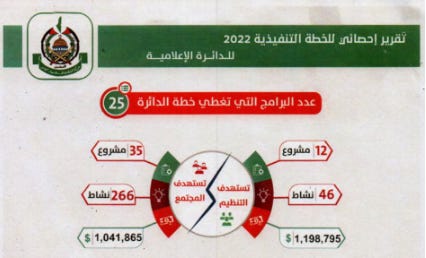
The distribution reveals significant resource allocation toward public-facing propaganda, with 35 projects accounting for 266 activities budgeted at $1.04 million, compared to 12 internal projects budgeted at $1.2 million.
Psychological Warfare Against Israel and Internal Demoralization
The strategy includes explicit programs for conducting psychological warfare against Israeli society. Under Project 10, titled “Strengthening Psychological and Media Warfare Against Rivals and Enemies,” Hamas details tactics including the creation of fabricated news reports, production of satirical content designed to mock Israeli leaders, generation of videos highlighting supposed Israeli military failures, and deployment of targeted paid advertising on social media platforms aimed directly at Israeli audiences in specific geographic regions.
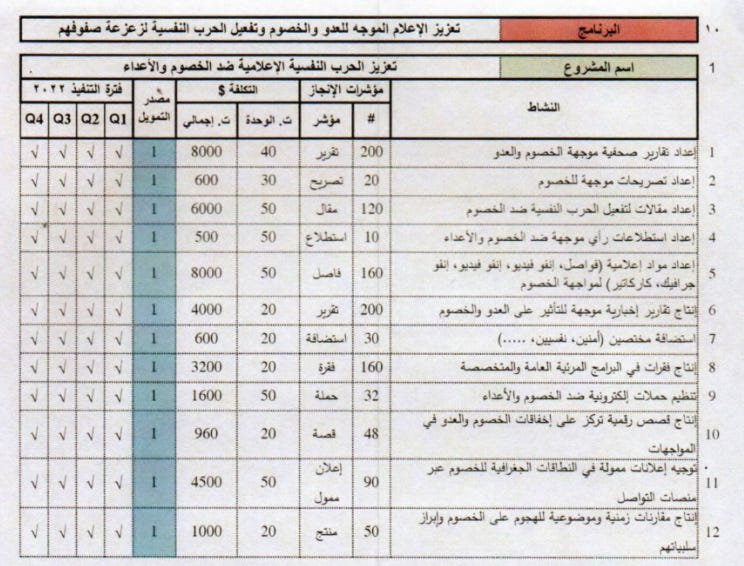
The report notes that this multi-layered approach is designed to simultaneously penetrate Israeli information spaces through traditional propaganda materials like reports and articles, modern digital engagement through coordinated social media campaigns, and strategic paid advertising. Separate projects focus specifically on producing satirical and comedic content as tools for psychological warfare, alongside a planned short film highlighting alleged failures of the Israeli military.
Aggressive Campaign Against Arab Normalization
Hamas’s strategy identifies opposition to Arab-Israeli normalization agreements as a central strategic front. The captured documents reveal coordinated campaigns including the creation of “blacklists” of individuals and organizations engaged in normalizing relations with Israel, public exposure campaigns designed to humiliate normalizing figures, recruitment of Arab and Muslim writers and journalists to publicly denounce normalization, and sophisticated media campaigns highlighting what Hamas characterizes as the dangers of normalization to Arab societies.
Conversely, the strategy includes creating “honor lists” recognizing Palestinian and Arab figures who maintain boycotts of Israel and highlighting their positions across media platforms.
Tailored Narratives for Western Audiences
A significant resource allocation targets Western audiences, with projects focused on developing English-language content and establishing dedicated media infrastructure. Hamas invested in maintaining English-language news websites, publishing weekly reports like “Palestine Report,” recruiting international writers and activists sympathetic to the Palestinian narrative, and training English-speaking spokespeople. The organization even established dedicated “media incubators” for Gaza-based university students studying English.
Financial Dysfunction and External Dependencies
Internal audit reports from Hamas’s Finance Department reveal substantial financial problems plaguing the media network. News agencies Shehab and SAFA, along with the Palestine newspaper and Al-Resala institution, all operated at significant deficits with poor asset management and serious debt collection failures. The audits exposed that 87 percent of Shehab’s customer debts were uncollected old debts totaling over $108,000 USD.
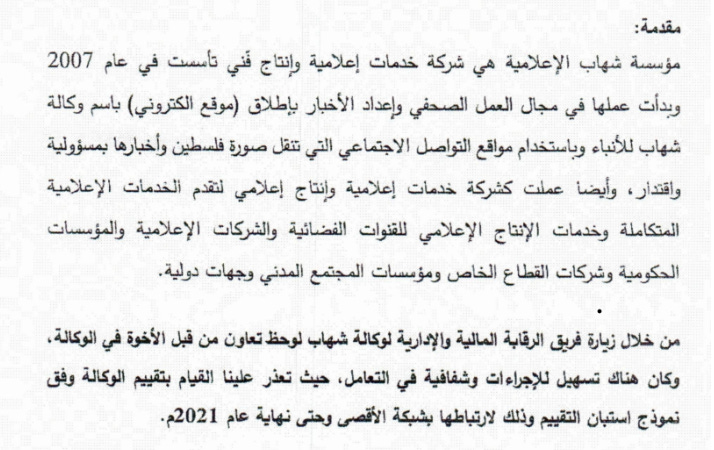
According to the findings, these outlets depend entirely on direct funding from Hamas, with evidence suggesting financial flows through Turkey. The audits found that supposedly independent outlets maintain no independent financial reporting systems and are completely integrated into Hamas’s central financial apparatus.
zews calling someone else’s “media empire” a war propaganda machine 😂😂😭😭
palestine will be free
all human being hate zews
burn in hell for eternity