


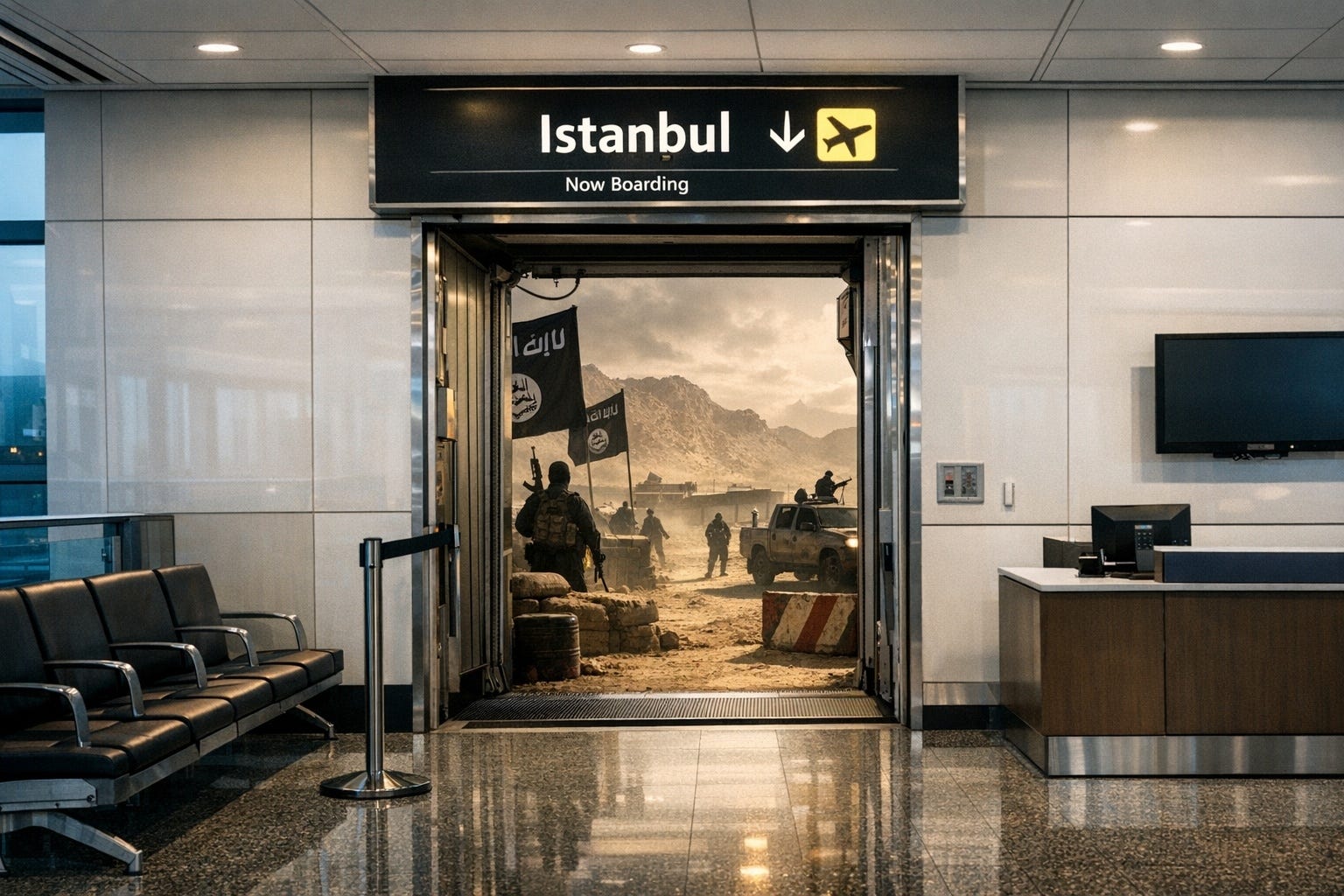
A new Nordic Monitor report reveals that U.S. court records show that ISIS operative Mirsad Kandic used Istanbul as a key base for recruiting, housing, and moving foreign fighters into Syria. Taken together with longstanding allegations surrounding Turkey’s Syria policy and the 2014 MIT-trucks affair, the case raises renewed questions about how jihadist networks were able to operate through Turkish territory during the height of the Syrian war.
The explosive findings emerge from the prosecution of Mirsad Kandic, a convicted ISIS operative who received two life sentences in the United States. Kandic’s case shows that Turkey functioned not merely as a passive transit point but, according to court records cited by Nordic Monitor, as a major staging ground for ISIS-linked operations between 2013 and 2017.
Most alarming, court documents cited by Nordic Monitor suggest ISIS facilitators in Istanbul were aware of police activity and adjusted their movements accordingly.
Istanbul: The ISIS Gateway
Kandic, a Kosovo-born US resident, operated multiple ISIS safehouses across Istanbul from 2014 onward, coordinating the arrival and transfer of foreign jihadists from the United States, Australia, the United Kingdom, and across Europe. Court records describe him as the “Emir of Media,” running over 120 social media accounts from Istanbul to recruit fighters and disseminate ISIS propaganda.
FBI Special Agent Robert J. Elmen, in a 2016 affidavit, stated that “Turkey is a common transit point to obtain entry into Syria,” noting that foreign fighters “entered Turkey legally and were then smuggled across the border into Syria by facilitators.” Kandic coached incoming recruits to present themselves as tourists, advising one: “You are a turist on vacation in one of the most visited place in Asia called Istanbul 😃”
Among Kandic’s recruits was Jake Bilardi, an Australian teenager who asked whether it was “safe to fly direct to Turkey” or if it “would look a bit suspicious.” Kandic assured him Istanbul was safe. Bilardi arrived at Istanbul Atatürk Airport in August 2014, traveled through the ISIS network, and later conducted a suicide bombing in Iraq that killed more than 30 Iraqi soldiers and an Iraqi policeman.
Questions Surround MIT’s Role in Syria-Bound Arms Shipments
Court evidence cited by Nordic Monitor, alongside prior Reuters reporting on the 2014 MIT-trucks affair, points to allegations that MIT helped move arms into parts of Syria under Islamist rebel control while Kandic was operating ISIS logistics from Istanbul.
Turkish prosecutors launched terrorism investigations into the illegal arms shipments. The Erdoğan government shut down the probes, dismissed prosecutors, and later imprisoned police and military officers involved in the interception—an apparent effort to intimidate law enforcement from investigating MIT’s clandestine support for jihadists.
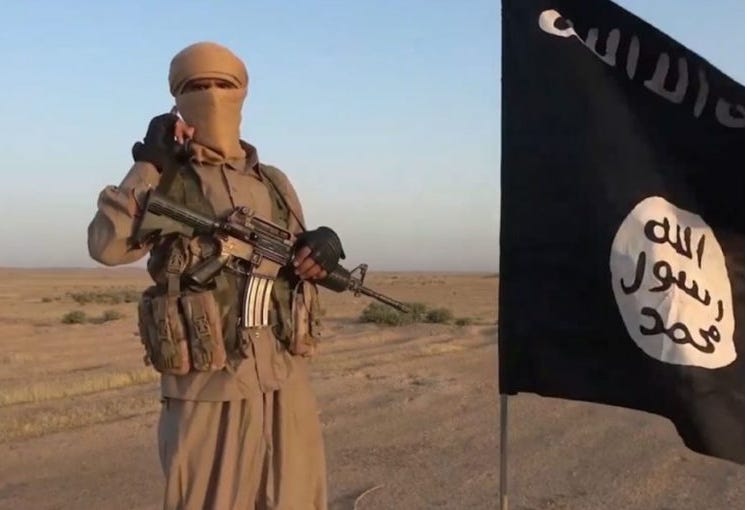
According to Nordic Monitor, court documents indicate that ISIS facilitators in Istanbul monitored law enforcement activity. In one message cited in the case, Kandic was warned not to leave the city because police had “blocked” certain areas. Nordic Monitor argues this may indicate access to information from within the Turkish state, and notes that MIT was separately implicated in the 2014 truck interceptions near the Syrian border.
Kandic also transferred over $8,000 from Istanbul to ISIS-controlled Mosul and provided “hundreds of false Turkish identity documents” to facilitate ISIS operatives’ travel within Turkey.
Why Turkey’s Syria Policy Came Under Intensified Scrutiny
The Erdoğan administration’s alleged support for jihadist networks stemmed from its determination to overthrow Syrian President Bashar al-Assad. Turkey sought to mobilize anyone willing to fight the Assad regime, including militants linked to al-Qaeda, ISIS, and other jihadist factions. Nordic Monitor previously published classified documents showing MIT’s direct involvement in facilitating foreign fighter travel through Turkish territory.
By 2017, after years of cross-border jihadist traffic and the ISIS attack on Istanbul’s Reina nightclub that killed 39 people, Turkey was under intense pressure over its Syria-border security record. Even then, Kandic was able to flee Turkey using false documents, eventually reaching Bosnia before being arrested and extradited to the United States in 2017.
New Evidence: Court Filings Suggest Turkey Remains a Route for ISIS Travel
In February 2026, U.S. prosecutors filed additional evidence against Tomas-Kaan Jimenez-Guzel, a U.S.-Turkish-Spanish national arrested at Newark airport in November 2025 as he attempted to fly to Turkey en route to ISIS territory in Syria. Nordic Monitor identified Meral Guzel as a UN diplomat originally from Turkey.
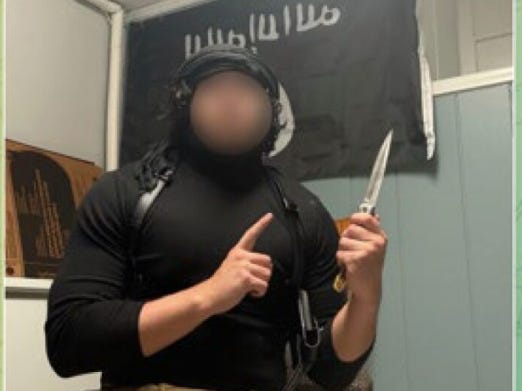
Investigators found on his phone a bus booking from Istanbul to Gaziantep—the Turkish border city long known as a gateway for jihadists—scheduled for November 7, 2025. He possessed a 50-page guide titled “Hijrah to the Islamic State” featuring Gaziantep and the Turkish-Syrian border, with chapters including “How Islamic State members get into & out of Syria” and “Getting Stopped in Turkey.” Prosecutors said he was in contact with a smuggler to help move him from Turkey into Syria.
Jimenez-Guzel had also visited Dearborn, Michigan, in July 2025, where he met individuals later charged in connection with an alleged ISIS-linked attack plot in the United States. The filing includes references by co-conspirators to doing the “same thing as France” and to “Paris for a 2015.”
After their arrests were publicized, he allegedly panicked, saying “our names are in the complaint” and that “the feds are gonna be looking for us soon,” then rebooked his flight to Turkey to depart immediately. Prosecutors argued he told associates that if his passport were confiscated, he would “do what Athari is gonna do”—suggesting a willingness to commit domestic terrorism if foreign travel were blocked.
Questions for a NATO Ally
The Kandic and Jimenez-Guzel prosecutions provide rare documentation of how Turkey was used as a transit and logistics hub in ISIS-linked travel and support networks. Taken together with reporting on the MIT-trucks affair, the cases raise serious questions about how jihadist facilitators operated through Turkish territory and how Turkish authorities responded.
As a NATO member, Turkey’s handling of these cases raises difficult questions for the alliance and for Western governments that have long relied on Ankara as a strategic partner.