


Jewish Onliner is an independent publication. If you find our work valuable, please consider becoming a paid subscriber.
A new report from the Network Contagion Research Institute says Candace Owens helped build what it calls a “digital assassination culture” around Erika Kirk, widow of Charlie Kirk, timed to the July 6 preliminary hearing for Tyler Robinson, charged with aggravated murder in Kirk’s September 2025 killing at Utah Valley University.
The report, Permission to Kill, argues that Owens’ claims about the assassination, TPUSA, Israel, and Erika Kirk did not remain mere speculation. According to NCRI, they hardened into a harassment ecosystem. The report concludes that Owens has “caused a measurable, statistically significant surge in death threats and calls for violence” against Erika Kirk over the past nine months.
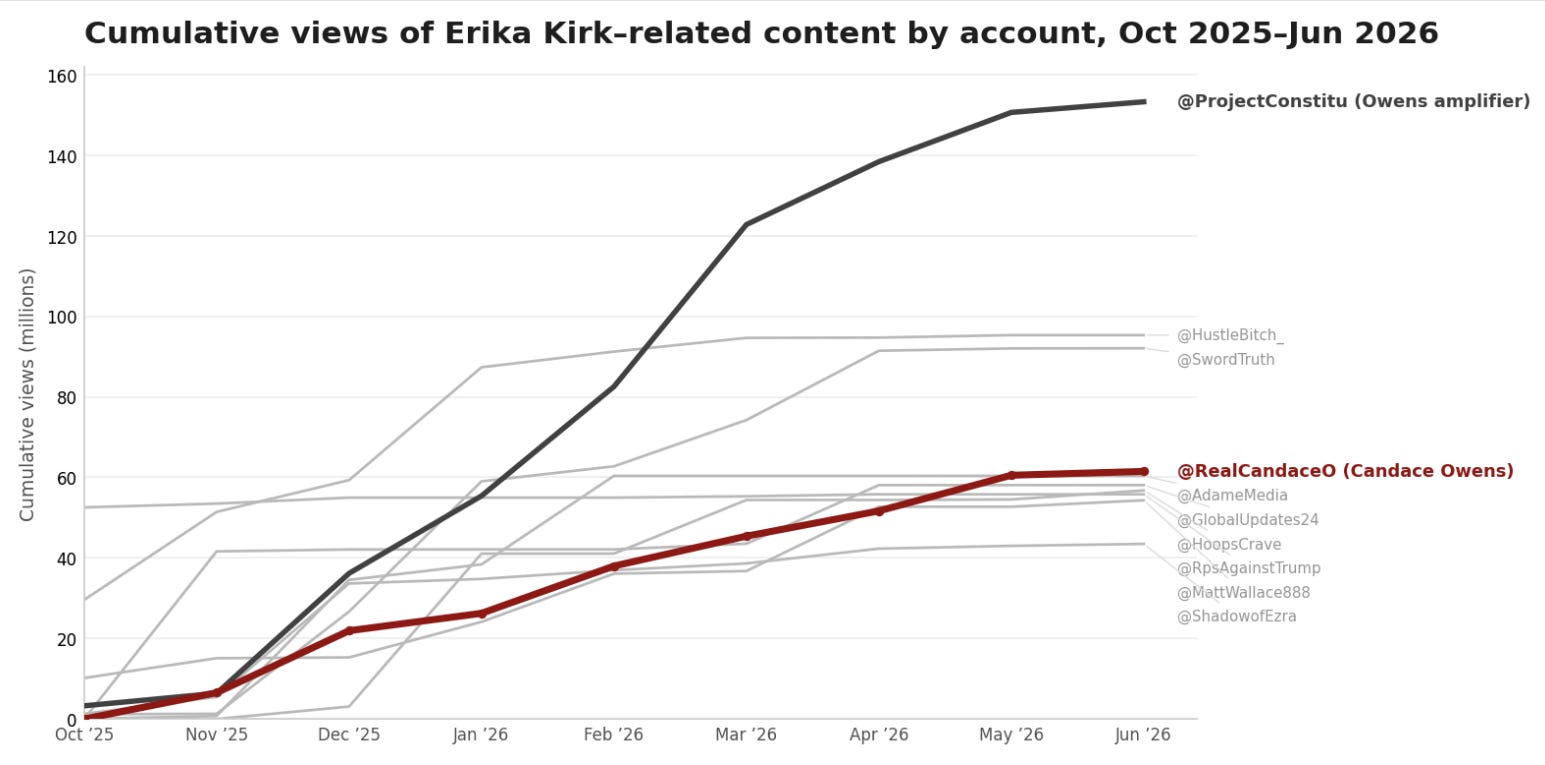
The issue is not simply that Owens trafficked in lurid theories around a high-profile killing. It is that, according to NCRI, she helped convert those theories into a climate where a grieving widow could be recast as an object of mass suspicion and abuse.
From commentary to campaign
Owens has spent months challenging the official account of Charlie Kirk’s killing. Outlets have reported that she suggested Robinson was not the real killer and floated theories involving TPUSA insiders, pro-Israel interests, and even the French military.
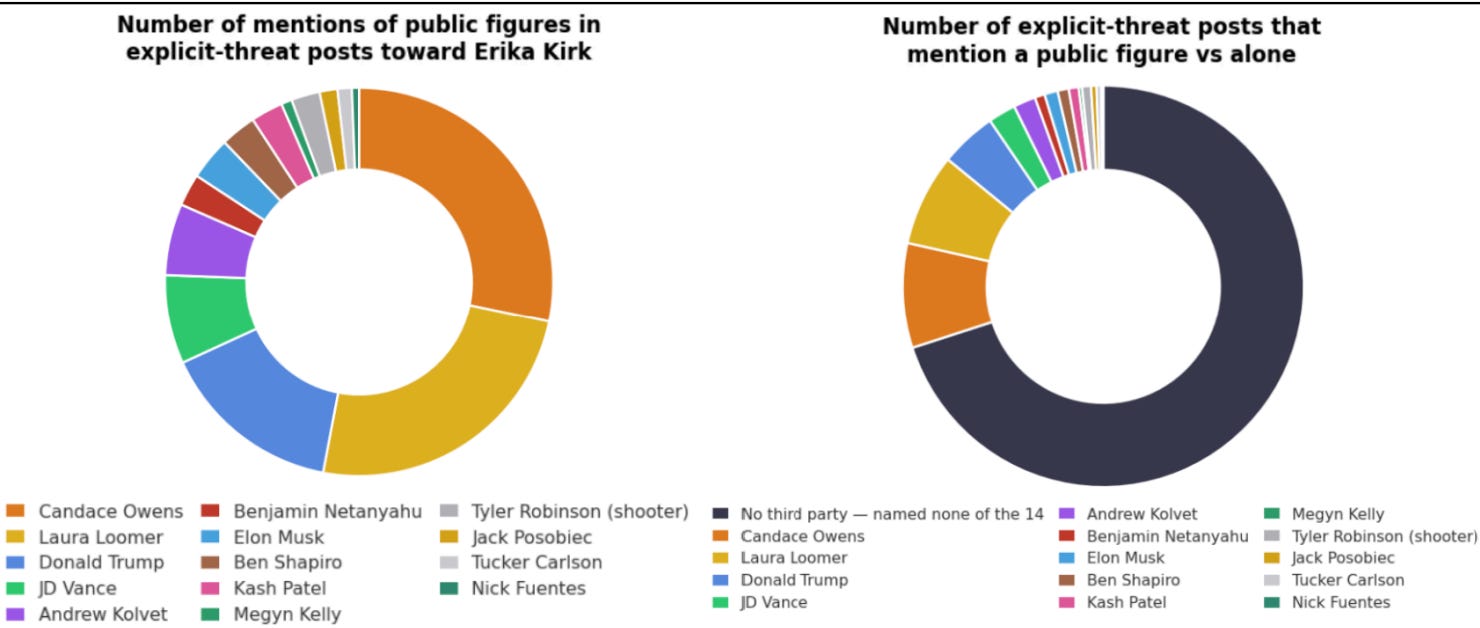
According to the report, NCRI assesses that Owens served as the “dominant permission structure” for violence against Erika Kirk, identifying 1,034 explicit threats in the ecosystem it studied. Of the 1,034 tweets NCRI classified as explicit threats against Erika Kirk, 249 mentioned at least one prominent public figure. Because some named multiple people, that produced 336 total mentions across 14 figures. Candace Owens was named most often, with 95 mentions, followed by Laura Loomer with 83 and Donald Trump with 51. But most threat tweets, 785 of 1,034, named none of those figures and targeted Erika directly.
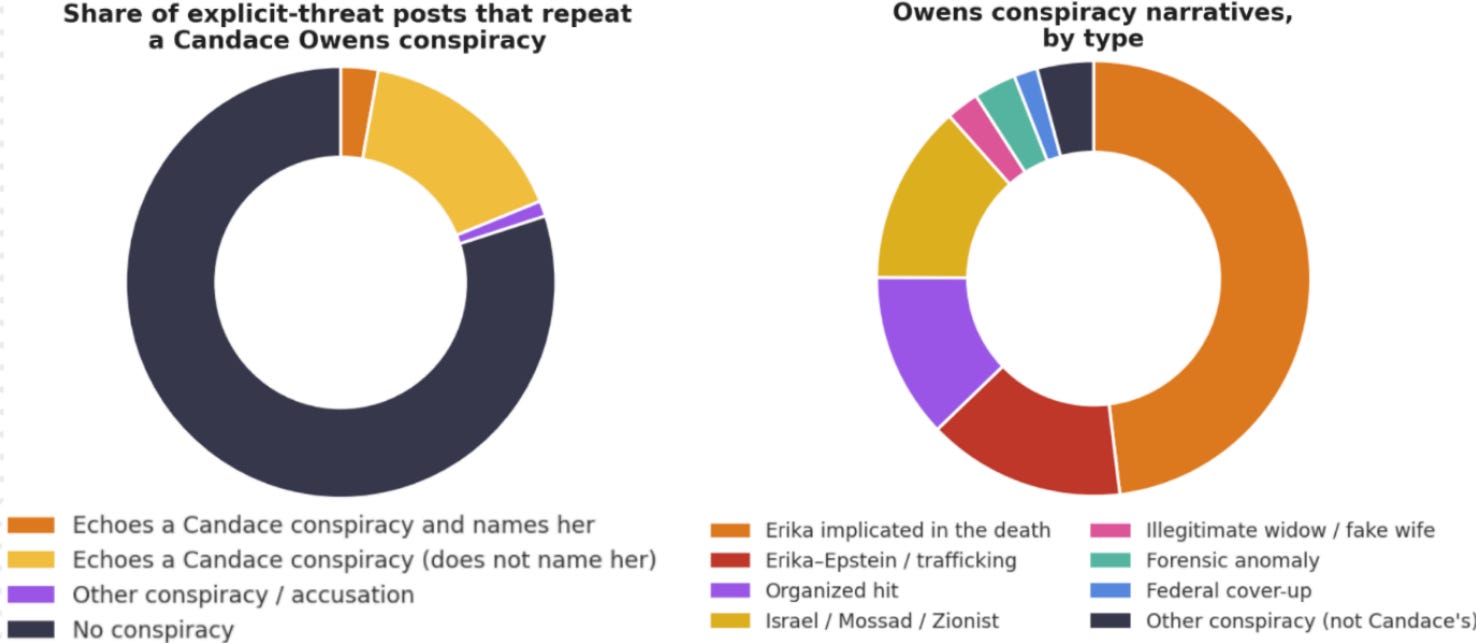
NCRI argues that Owens gradually shifted her audience’s attention toward Erika Kirk herself, even after Erika asked her to stop. An X thread by DataRepublican argued that Owens initially presented herself as sympathetic to Erika before moving to portray her as untrustworthy.

The antisemitic frame
For Jewish audiences, the most revealing part of this episode is how Israel and “Zionists” were folded into the story. This is not new territory for Owens. The ADL and the American Jewish Committee have both identified her as a major amplifier of antisemitic conspiracy theories. She has claimed Israel was behind the JFK assassination, the September 11 attacks, that Jews were behind the slave trade, and that Judaism is a “pedophilic” religion, drawing criticism from Jews and Christians alike.

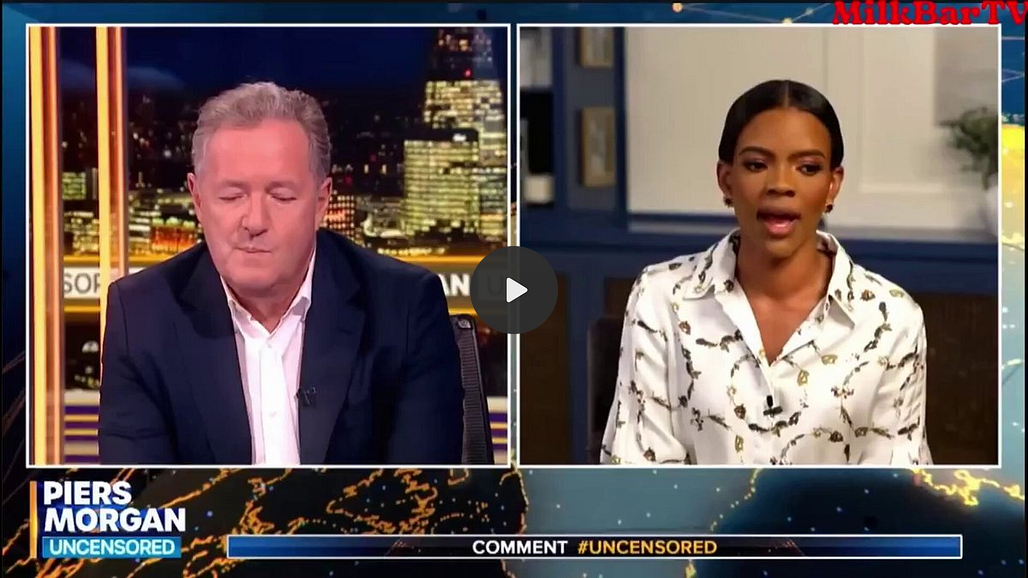
Those claims matter because they place the Kirk case within a broader conspiratorial framework, one in which Jewish or pro-Israel influence is treated as a hidden explanatory force behind American political events. In that framing, conflicting evidence can be dismissed as compromised, and denials or corrections can be interpreted as further proof of a cover-up.
What this says about Owens
The issue is not that Owens is controversial. It is that she appears to have turned a murder and its aftermath into content, and a widow’s grief into material for a political narrative. Based on NCRI’s findings, this was not just reckless commentary that attracted an ugly response. It was a sustained campaign of insinuation that helped make Erika Kirk visible to a large audience as someone to distrust, blame, and target.
If NCRI’s assessment is correct, the case illustrates how digital influence can operate in practice: not through explicit instruction, but through sustained framing that encourages audiences to see an individual as suspect, complicit, or deserving of scrutiny beyond any established evidence. That is the broader significance of the report, and the reason its findings are likely to draw attention well beyond this specific case.