


Jewish Onliner is an independent publication. If you find our work valuable, please consider becoming a paid subscriber. You can also subscribe to us on WhatsApp and Telegram. Follow us on Instagram, Discord, and X.
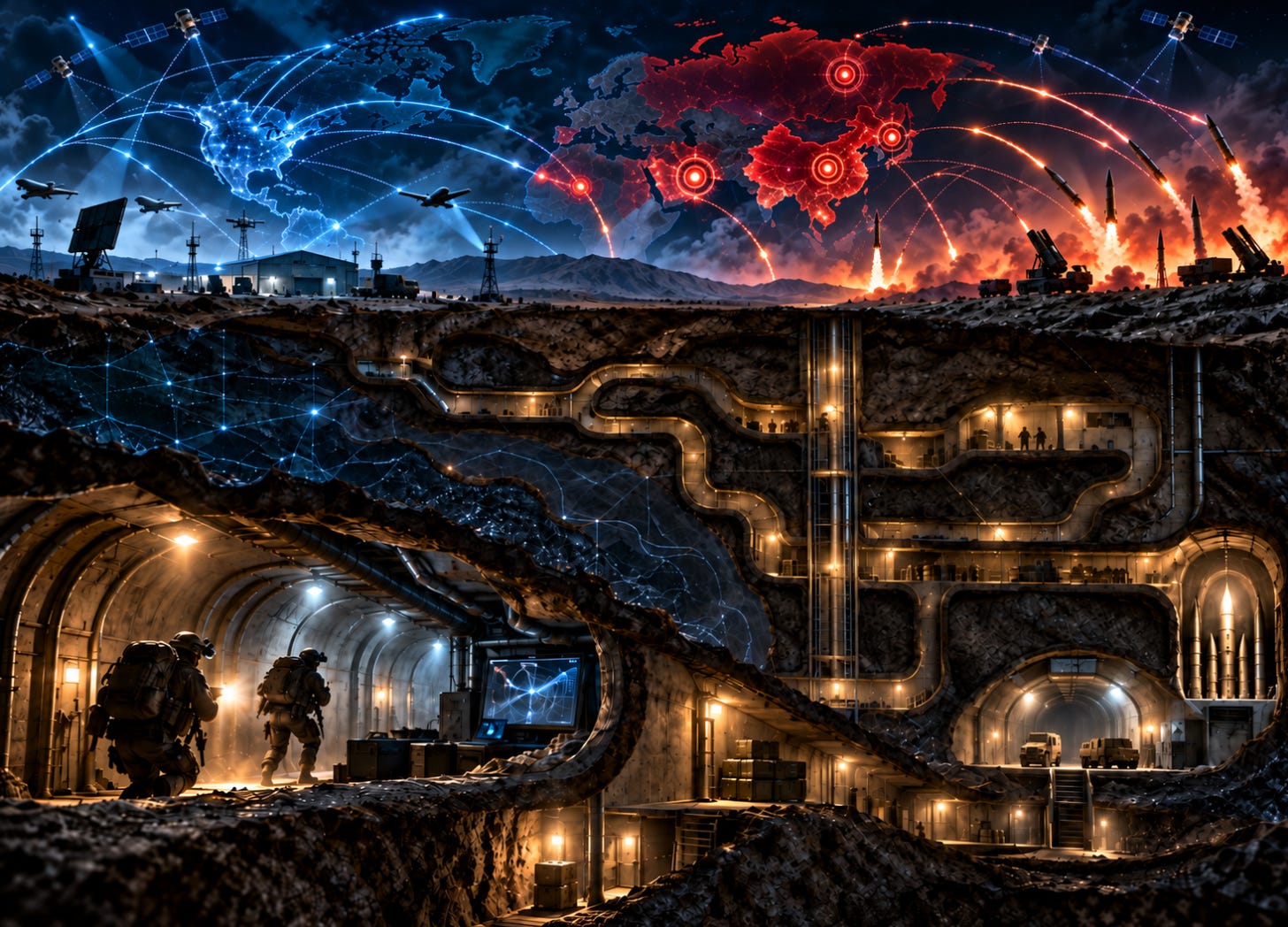
A new 58-page report published Tuesday by the Jewish Institute for National Security of America (JINSA) details how Israel’s experience fighting Hamas and Hezbollah in underground tunnel networks could help the United States and its allies prepare for military threats from Iran, North Korea, Russia, China, and other adversaries.
The October 20 study, titled The Subterranean Front: Lessons for Defeating Underground Threats From a Commander on the Front Lines, was co-authored by IDF Colonel David, whose full name is withheld for security reasons, and JINSA senior policy analyst Yoni Tobin.
David, a former commander of the Israeli military’s elite Yahalom combat engineering unit, now leads the IDF Combat Engineering Corps and oversees its subterranean warfare activities.
Drawing on nearly three years of Israeli combat operations against underground terrorist infrastructure in Gaza and Lebanon, the report argues that subterranean warfare is becoming a central feature of modern conflicts, requiring a fundamental change in how Western militaries prepare for war.
The authors identify five lessons from Israel’s experience, including the need to integrate intelligence and technological capabilities, coordinate military operations above and below ground, disrupt tunnel construction supply chains, and expand international defense cooperation.
From Gaza and Lebanon to Iran and North Korea
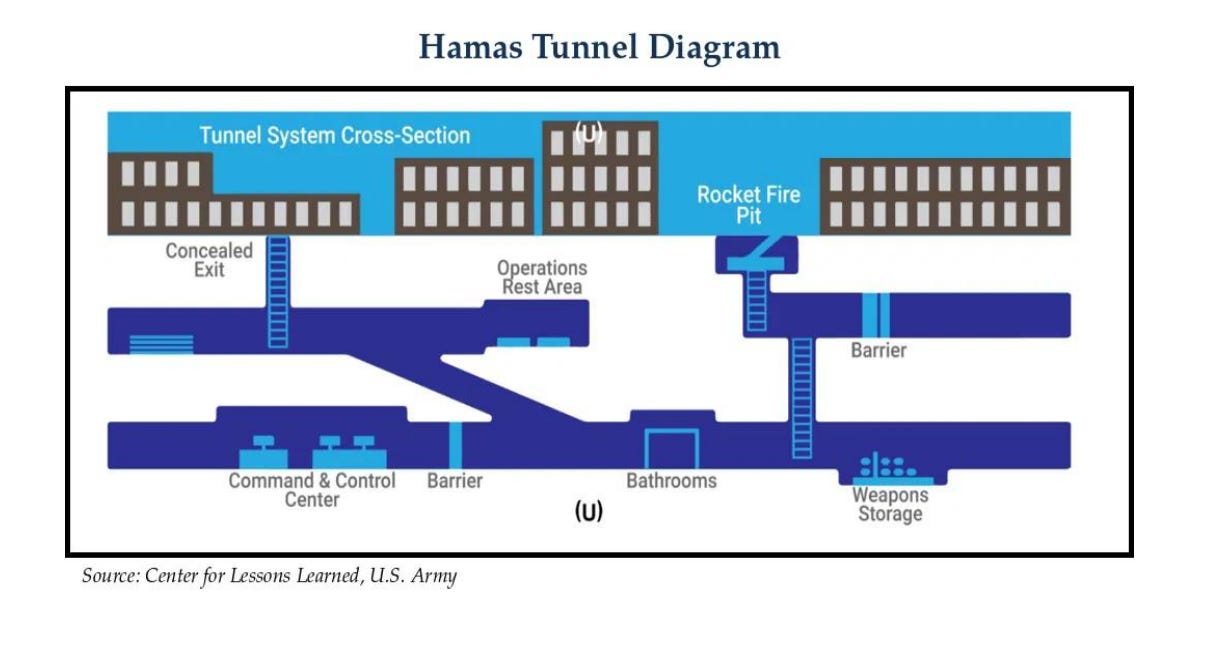
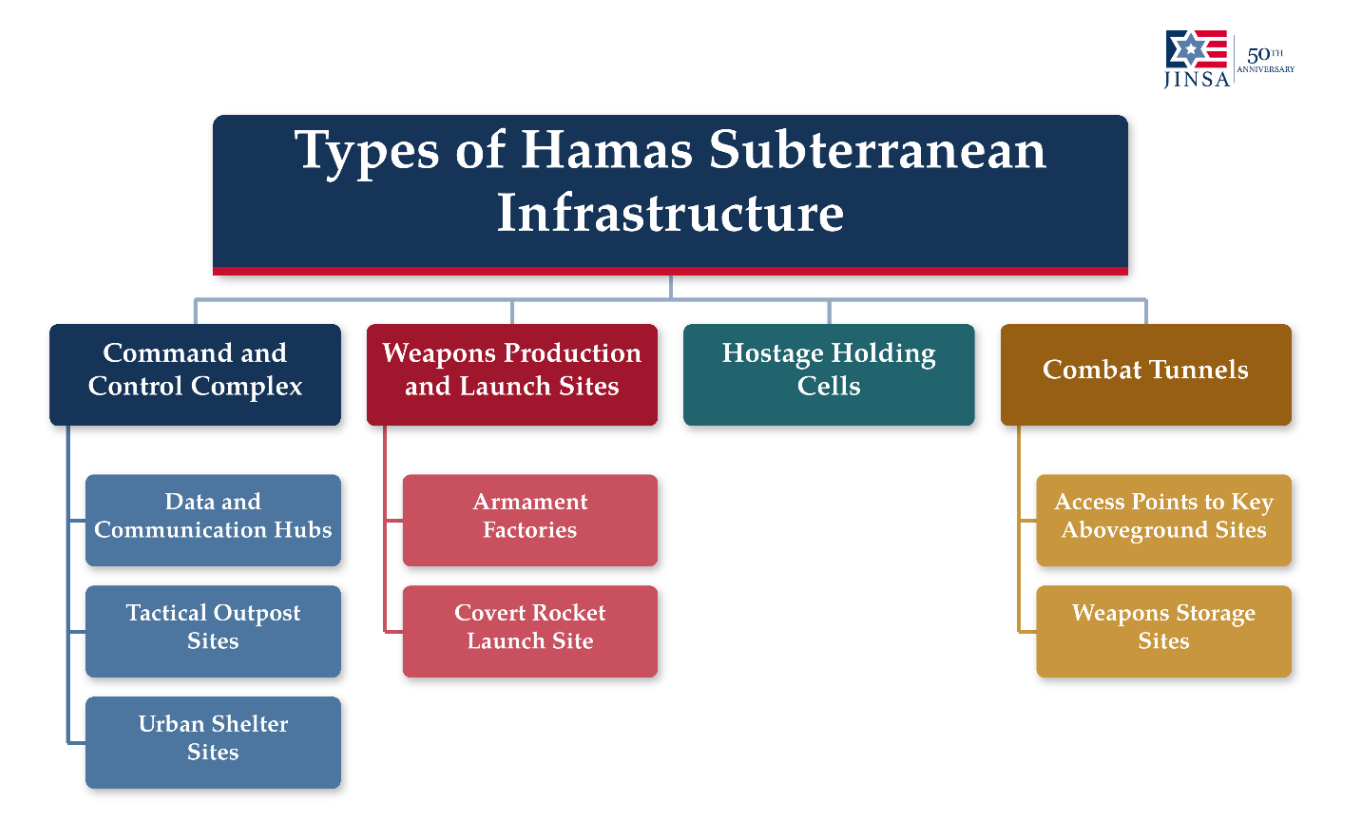
According to the report, Hamas and Hezbollah developed extensive underground networks to counter Israel’s conventional military and technological advantages.
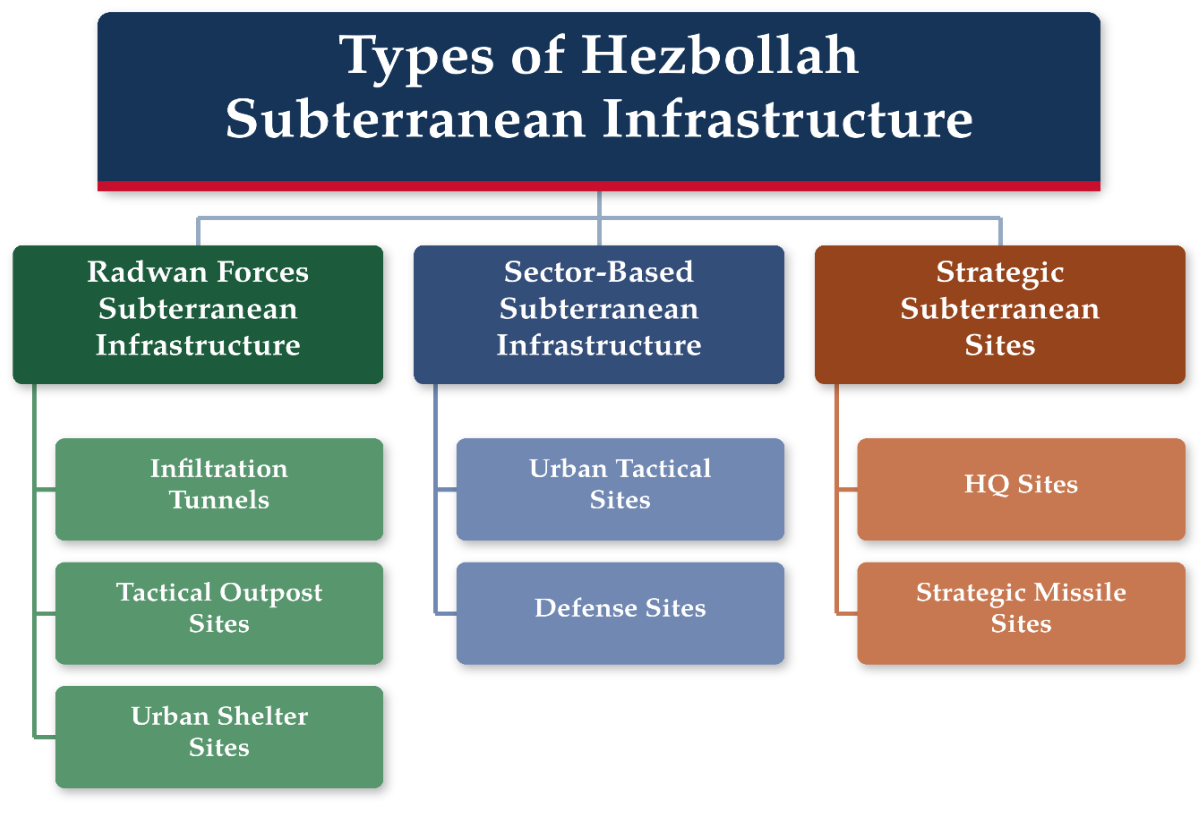
Hamas spent more than a decade expanding its tunnel infrastructure into a complex network supporting military command, logistics, troop movements, and prolonged underground operations. Hezbollah similarly constructed fortified underground facilities in Lebanon, supported in part by Iranian assistance.
However, the study emphasizes that comparable subterranean strategies are being employed by some of America’s most significant military adversaries.
Iran has constructed deeply buried nuclear facilities and extensive underground missile installations, including fortified complexes designed to protect weapons and personnel from aerial attacks.
The report examines Iran's extensive underground military infrastructure, including nuclear facilities targeted by U.S. strikes in 2025 and underground missile installations used during the 2026 conflict. It also identifies deeply buried facilities, such as Iran's Pickaxe Mountain complex, that remain particularly challenging to target.
In North Korea, the authors cite longstanding estimates of approximately 8,000 underground facilities and roughly 5,000 tunnels, illustrating the scale of the country's subterranean military infrastructure, although the precise number currently operational is difficult to verify. Some are believed to house weapons depots, industrial facilities, and military infrastructure, while others have reportedly been designed to facilitate troop movements toward South Korea.
Russia has also exploited underground infrastructure during its invasion of Ukraine, using pipelines and other passages to evade surveillance and infiltrate Ukrainian positions.
The report highlights Russian operations in Avdiivka in February 2024 and Sudzha in March 2025. Although Russian troops successfully exploited underground routes in Avdiivka, their subsequent attempt to employ similar tactics in Sudzha failed, according to the study.
The authors also cite reports of Chinese and North Korean assistance with Iranian underground facilities, alongside a 2023 investigation revealing discussions among Russian and Chinese business executives with government ties about a proposed tunnel connecting Russia to occupied Crimea.
Together, these examples demonstrate how military forces increasingly rely on underground infrastructure to reduce the advantages of technologically superior opponents.
Israeli Battlefield Lessons Could Strengthen American Military Readiness
The report argues that Israel’s experience offers practical lessons for American troops who may eventually face similarly extensive underground facilities. One central finding concerns the relationship between surface-level and subterranean combat.
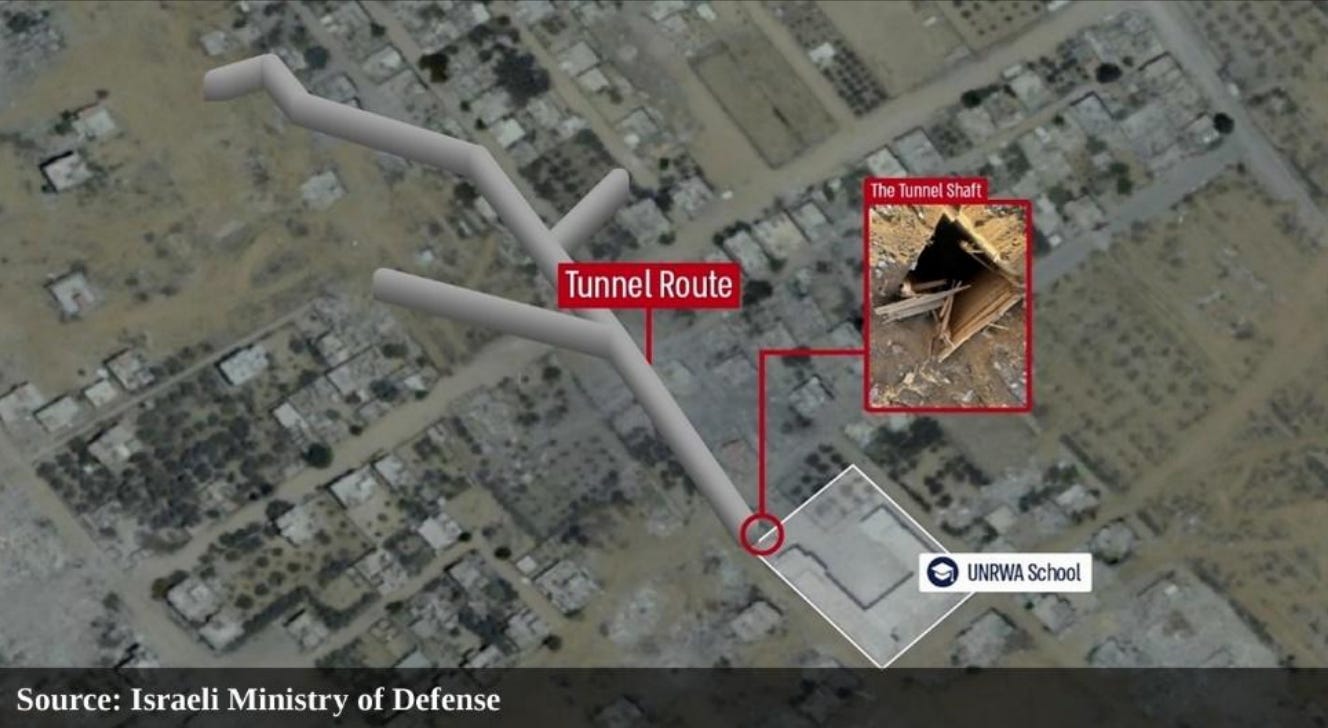
During the initial stages of Israel’s ground campaign in Gaza, Israeli forces often treated aboveground and underground operations separately. Hamas exploited this separation by moving through concealed passageways, allowing its operatives to evade Israeli troops and reappear in areas believed to have been cleared.
The study cites operations in Beit Hanoun, where Israeli forces eventually located and neutralized nearly seven miles of Hamas tunnels in early 2026.
The authors argue that defeating underground threats requires treating surface and subterranean infrastructure as parts of a single military system.
They also recommend expanded development of underground mapping technologies, advanced sensors, robotic reconnaissance platforms, artificial intelligence, and specialized engineering capabilities.
These lessons, according to the report, are particularly relevant to American forces preparing for potential conflicts with adversaries possessing extensive underground military infrastructure.
The challenges are not identical. Fighting inside Hamas tunnels differs substantially from striking deeply buried Iranian nuclear facilities. Nevertheless, the study identifies intelligence integration, detection technology, specialized training, and underground threat analysis as areas where Israeli experience could inform U.S. planning.
Calls for Expanded U.S.-Israel Defense Cooperation
The report calls for a substantial expansion of American-Israeli military cooperation on subterranean warfare.
The two countries already collaborate on underground threat detection and neutralization, with the report stating that annual funding for bilateral subterranean defense cooperation has grown to approximately $80 million. The report also points to the use of Israeli-developed border-security technology in the United States and argues that additional Israeli expertise could help improve American tunnel-detection capabilities.
The authors propose establishing joint subterranean research, training, and operations centers, alongside expanded intelligence sharing and technological development. They also highlight provisions under consideration in the 2027 National Defense Authorization Act, including a provision that would authorize $100 million for U.S.-Israel cooperation on subterranean defense capabilities.
Another recommendation involves expanding cooperation with South Korea, which faces an extensive underground military threat from North Korea. The report specifically proposes inviting Israeli forces or technical experts to participate in annual U.S.-South Korean underground warfare exercises. The authors also identify Taiwan as a potential beneficiary of subterranean defense planning, particularly in preparing for a possible Chinese military assault.
Underground Threats Extend to America’s Southern Border
Beyond conventional military conflicts, the report identifies underground smuggling networks along the U.S.-Mexico border as another area where Israeli expertise could benefit American security agencies.
According to the study, U.S. authorities have discovered at least 236 illicit cross-border tunnels since 1990, including a sophisticated tunnel linking Tijuana and San Diego that federal prosecutors announced on June 1, 2026.
The authors argue that American border security agencies still lack sufficient integrated, real-time underground detection capabilities despite establishing several specialized offices and programs.
They recommend adopting intelligence-processing methods similar to those developed by Israel, including systems capable of combining sensor information and identifying subterranean activity across large geographic areas.
The report ultimately presents Israel’s underground warfare experience as a strategic resource extending far beyond its immediate conflicts with Hamas and Hezbollah.
Its central warning is that the subterranean domain can no longer be treated as a specialized engineering problem or a secondary battlefield concern. Instead, the authors argue, underground infrastructure has become an integral component of modern warfare, with implications for U.S. military readiness, allied defense cooperation, and homeland security.