


Jewish Onliner is an independent publication. If you find our work valuable, please consider becoming a paid subscriber. You can also subscribe to us on WhatsApp and Telegram. Follow us on Instagram, Discord, and X.
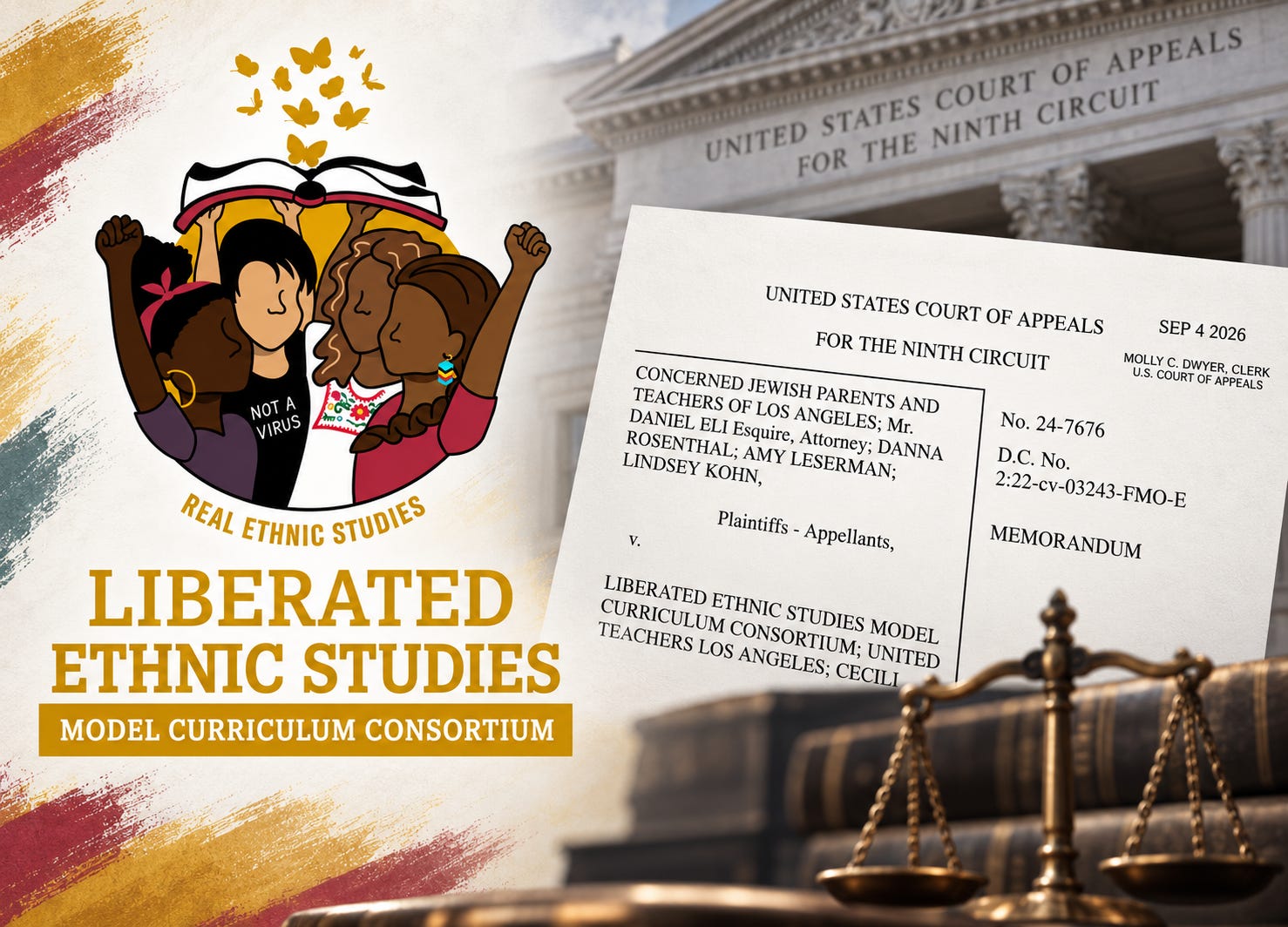
The U.S. Court of Appeals for the Ninth Circuit has given Concerned Jewish Parents and Teachers of Los Angeles another opportunity to amend their lawsuit challenging the use of the Liberated Ethnic Studies Model Curriculum in Los Angeles schools.
The case names the Liberated Ethnic Studies Model Curriculum Consortium (LESMCC), United Teachers Los Angeles, several individuals involved with the curriculum effort, and the Los Angeles Unified School District as defendants. Plaintiffs allege that LESMCC materials promoted anti-Zionist and antisemitic ideas and that their use contributed to incidents involving Jewish students.
In a September 4 decision, the Ninth Circuit affirmed dismissal of the complaint for lack of standing but ruled that plaintiffs should have another opportunity to amend their claims after alleging that LESMCC materials had expanded within LAUSD and that their children experienced related incidents at school, including bullying.
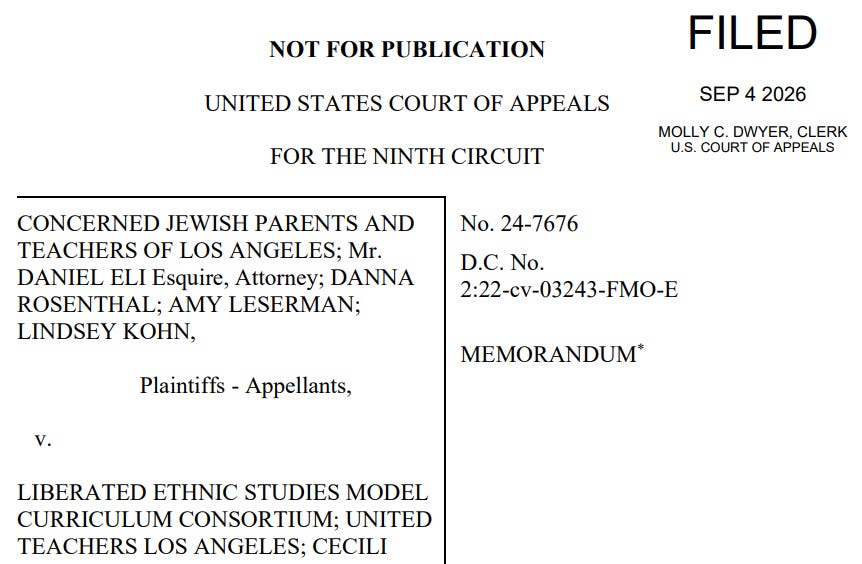
While LAUSD has not formally adopted the LESMCC curriculum, plaintiffs alleged that at least two teachers within the district were using the materials and that the consortium and affiliated individuals exerted informal influence over curriculum discussions.
A 2023 report from the Institute for Liberal Values examined LESMCC’s leadership, organizational connections, curriculum framework, and role in California’s ethnic studies movement.
Overlapping Networks Behind LESMCC
One of the report’s central findings was personnel overlap between LESMCC, Unión del Barrio (UDB), and the Association of Raza Educators (ARE), organizations involved in California ethnic studies advocacy.
The report identified Guadalupe Carrasco Cardona, one of the defendants in the lawsuit, as a LESMCC leader and documented her connections to ARE and UDB. LESMCC materials identify Cardona as a co-founder of the consortium, while UDB has described her as a “leading member” of the organization in a statement addressing the lawsuit.
The report also identified Theresa Montaño as a LESMCC leader and documented her involvement with ARE. LESMCC materials list Montaño among figures involved in the consortium’s curriculum work.
The political character of these organizations is reflected in their own materials. UDB describes itself in its political program as a “revolutionary organization” focused on the liberation of “México and Nuestra América.” Its political materials refer to “Aztlán/México Ocupado” and describe a vision centered around a “revolutionary, reunified, and socialist México.”

ARE describes education as a tool for liberation from “Western capitalist oppression” and identifies ethnic studies as a vehicle for advancing that framework.
The documented relationships place LESMCC within a broader activist network whose organizations have used revolutionary, socialist, and anti-capitalist language.
LESMCC’s Ideological Framework
Beyond organizational connections, the Institute for Liberal Values report examined LESMCC’s ideological framework.
LESMCC materials describe ethnic studies as an “explicit counter narrative to traditional western disciplines” and state that the framework diverges from the Western educational approach. The curriculum incorporates Critical Race Theory as one of its theoretical foundations and emphasizes concepts related to power, oppression, race, and social systems.
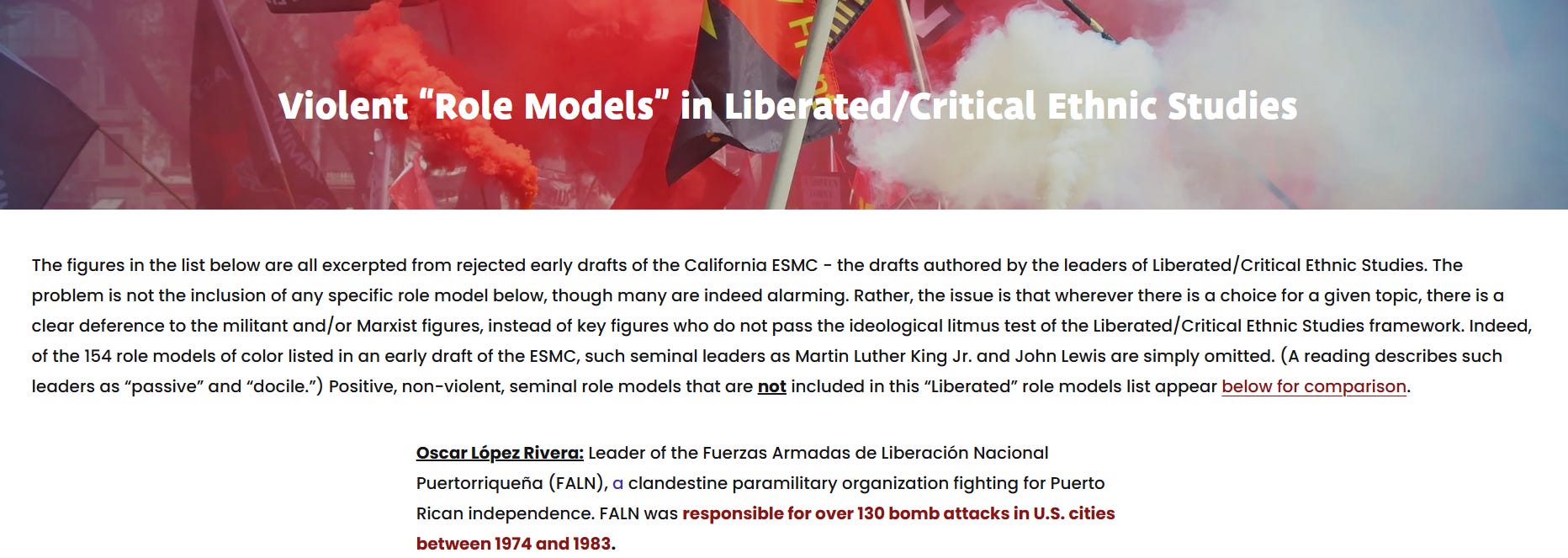
The report also highlighted references in LESMCC materials to figures and concepts associated with Marxist and revolutionary movements, including Italian Marxist philosopher Antonio Gramsci, Puerto Rican nationalist figure Oscar López Rivera, Maoist activist Yuri Kochiyama, and Black Panther figures George Jackson and Eldridge Cleaver.

Public Funding and Expansion Across California
The expansion of ethnic studies programs has occurred alongside significant public investment.
California allocated $50 million in the 2021-2022 budget to support ethnic studies programs across the state and provided an additional $5 million for statewide professional development and online resources.
The Institute for Liberal Values report examined how LESMCC and related organizations sought to expand through California school districts, including through curriculum-related services.
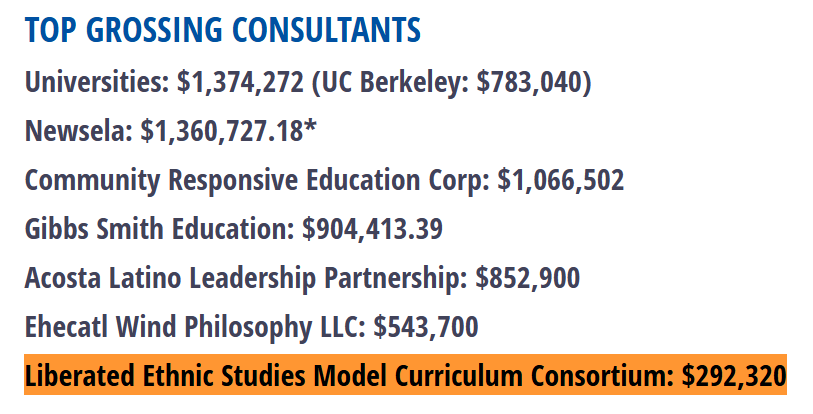
A later review by Defending Education documented $292,320 in contracts directly involving LESMCC, including agreements with Berkeley Unified, Hayward Unified, and Lynwood Unified school districts.
Curriculum Materials Draw Scrutiny
LESMCC’s own principles state that students should examine systems including “empire”, “capitalism”, and “other forms of power and oppression.”
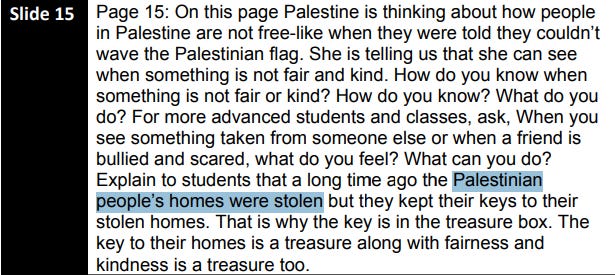
Among LESMCC’s publicly available materials is a lesson titled “My Name is Palestine: What is Freedom?” designed for kindergarten through fourth-grade students. The lesson uses a key as a symbol connected to Palestinian homes, asks students what they hope for “Palestine,” and instructs teachers to explain that Palestinian families’ homes were “stolen.”
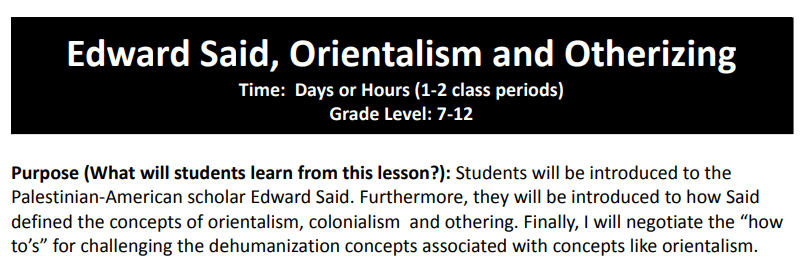
Another LESMCC lesson focused on Edward Said, which introduces students to concepts including “Orientalism” and “colonialism.”
The Legal Battle Continues
The Ninth Circuit’s decision gives Concerned Jewish Parents and Teachers of Los Angeles another opportunity to present their allegations that LESMCC materials were used in LAUSD classrooms and contributed to antisemitic incidents affecting Jewish students. The amended complaint will allow plaintiffs to further detail their claims regarding the curriculum’s expansion, the materials they say were introduced into classrooms, and the experiences they say their children faced.