


Jewish Onliner is an independent publication. If you find our work valuable, please consider becoming a paid subscriber. You can also subscribe to us on WhatsApp and Telegram. Follow us on Instagram, Discord, and X.
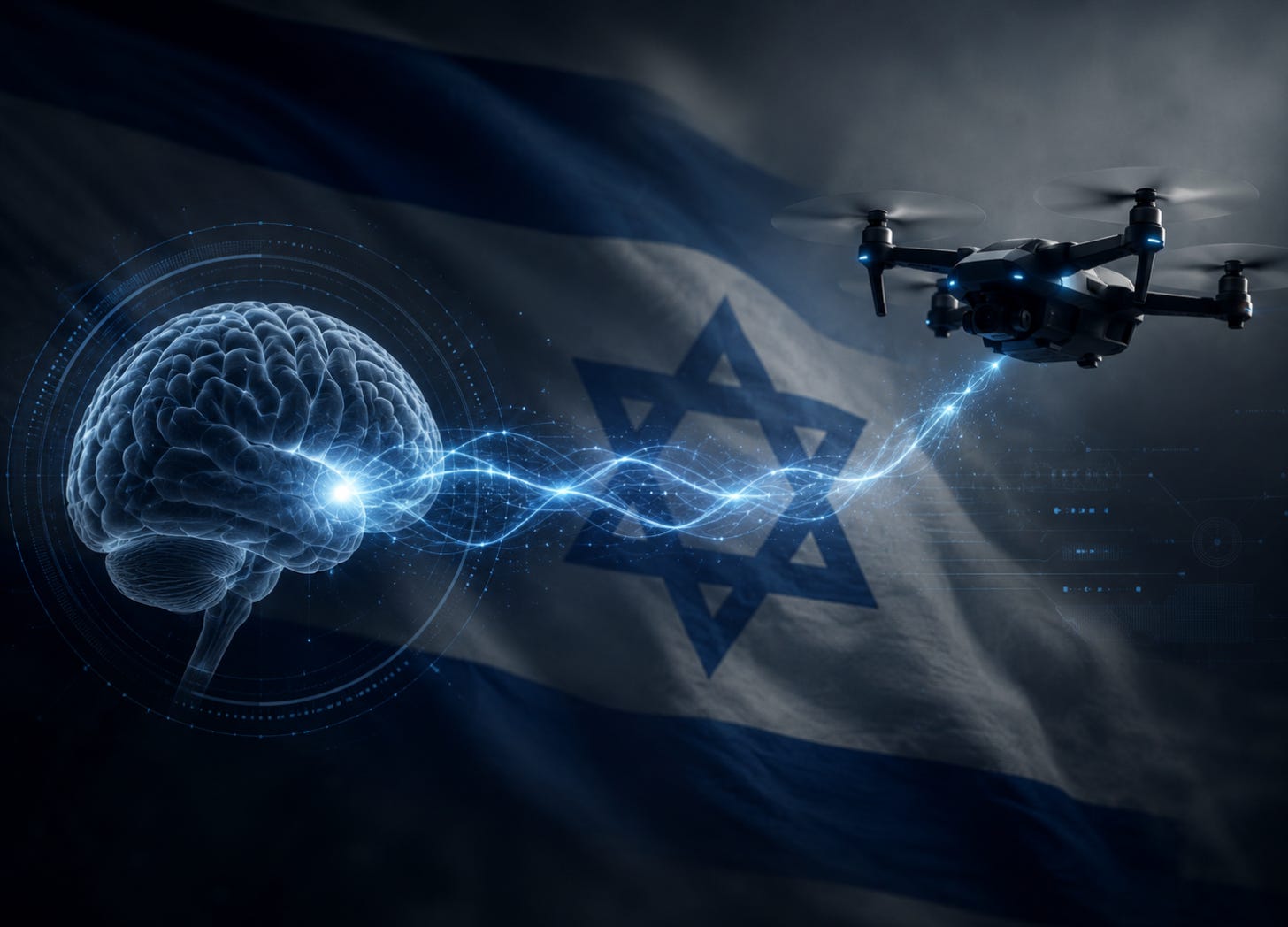
An Israel Defense Forces lieutenant colonel who was seriously wounded by a sniper in Gaza has developed an artificial intelligence system that translates electrical activity from the brain into real-time flight commands for a drone, according to an Israel Hayom report.
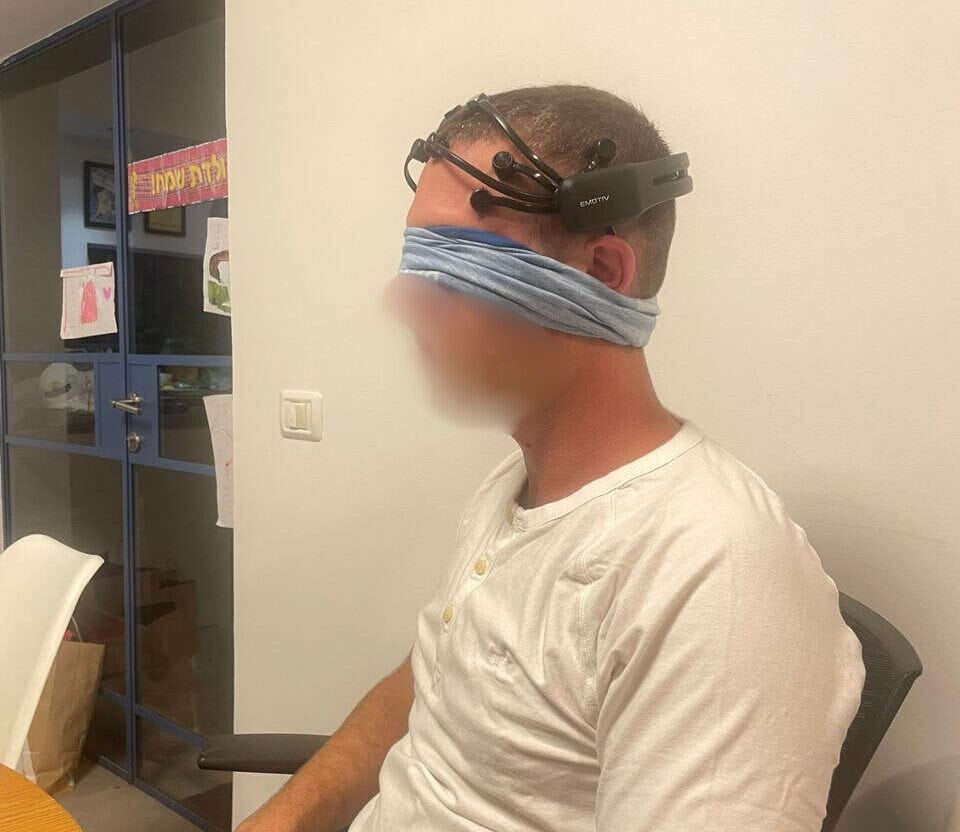
The 37-year-old officer, identified only as Lt. Col. S., built the noninvasive brain-computer interface as a master’s project in intelligent systems at Afeka College. Electrodes placed on the scalp record electrical activity, which an AI model is designed to classify and convert into digital instructions sent to a DJI drone. Afeka said the project used an EEG system with 14 sensors.
The college says the system recognizes seven movement commands with approximately 89% accuracy. Israel Hayom, citing the officer, reported a success rate of about 80%.
From Battlefield Injury to Engineering Project
Lt. Col. S. served as a company commander in the Givati Brigade during Operation Protective Edge in 2014. He was wounded by sniper fire in both legs and said he came close to requiring an amputation. He returned to military service after rehabilitation, studied electrical engineering and took technological posts in the IDF Ground Forces’ Weapons Department.
He now commands an operational software unit and completed the drone system while pursuing a master’s degree at Afeka.
His project addresses a problem he encountered as a combat commander: operating equipment while simultaneously processing information and making time-sensitive decisions. A hands-free interface could allow a commander to issue a limited set of instructions without moving between a weapon, a controller and other command systems.
How the System Works
The prototype does not read thoughts in the ordinary sense. It looks for repeatable patterns in electroencephalography, or EEG, data produced when the user performs or imagines a particular action. Once trained to associate a pattern with a command, the software converts the classification into an instruction such as turning the drone left or right.
Afeka describes the project as a hybrid deep-learning architecture that examines both where a signal appears and how it changes over time. According to Israel Hayom, Lt. Col. S. put on the electrode headset, closed his eyes and imagined directional movements while watching the drone respond in real time.
The approach avoids brain surgery, but it also carries the limitations of scalp-based EEG. The signals are weak and can be distorted by eye and muscle movements, environmental conditions, the user’s physical state and the sensitivity of the hardware.
Israel Is Studying the Same Operational Problem
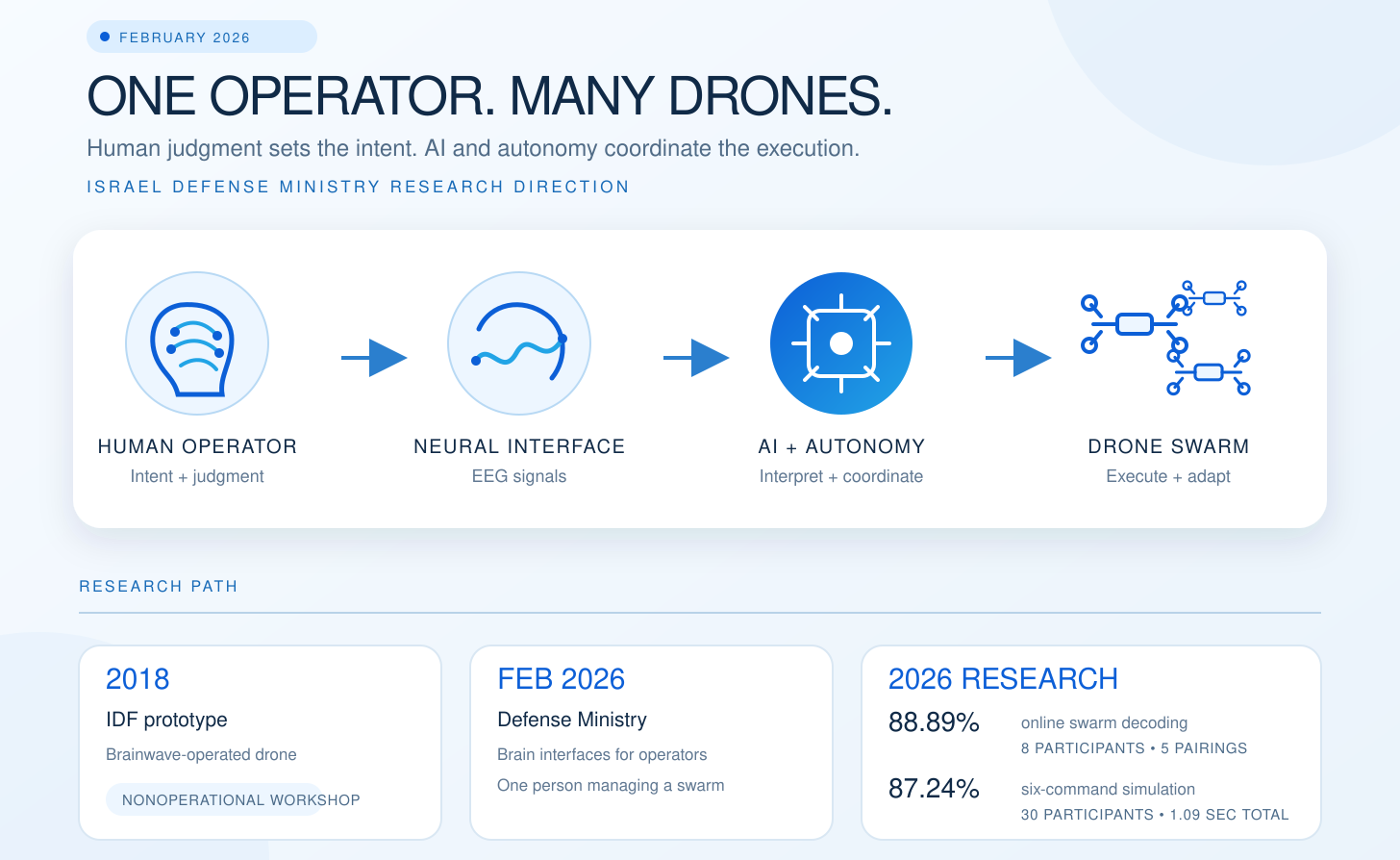
The project nevertheless aligns with a research area already identified by Israel’s defense establishment. In February, Dr. Alona Barnea, director of the Neurotechnology Division at the Defense Ministry’s Directorate of Defense Research and Development, said researchers were examining how drone operators could use brain interfaces and how one person could manage a swarm.
Barnea described the wider concept as “hybrid intelligence,” in which a human supplies intent and judgment while AI and autonomous systems handle more of the execution. No public evidence connects Lt. Col. S.’s academic prototype to the ministry’s work, but both efforts target the same bottleneck: how one operator can direct an expanding number of unmanned systems without manually piloting each platform.
The concept is not new to Israel’s military technology community. In May 2018, the IDF publicized a different brainwave-operated drone prototype produced during a technology workshop. The military explicitly described that workshop as nonoperational.
Research published August 21 in Frontiers demonstrated one version of brain-swarm control. Eight participants were tested in five two-person pairings that used EEG, muscle signals and visual stimuli to direct two DJI quadcopters through movement and formation changes. The system recorded an average online decoding accuracy of 88.89%, though it was a hybrid interface rather than control by brain signals alone.
A separate 2026 study involving 30 participants reported 87.24% classification accuracy for six-command simulated drone navigation using a consumer-grade EEG headset. The classifier required 0.09 seconds of computation, with a total decoding time of approximately 1.09 seconds.
The Operator Sets the Intent
The United States has explored a comparable concept through DARPA’s N3 program, which identifies unmanned-aircraft control, cyber defense and complex military multitasking as potential applications for portable, nonsurgical brain-machine interfaces.
The longer-term objective is not simply to replace a reliable joystick with a noisier neural signal. It is to let the operator communicate an intended outcome while autonomous software determines how individual machines should carry it out.
Awesome
Very interesting ... indeed ...