


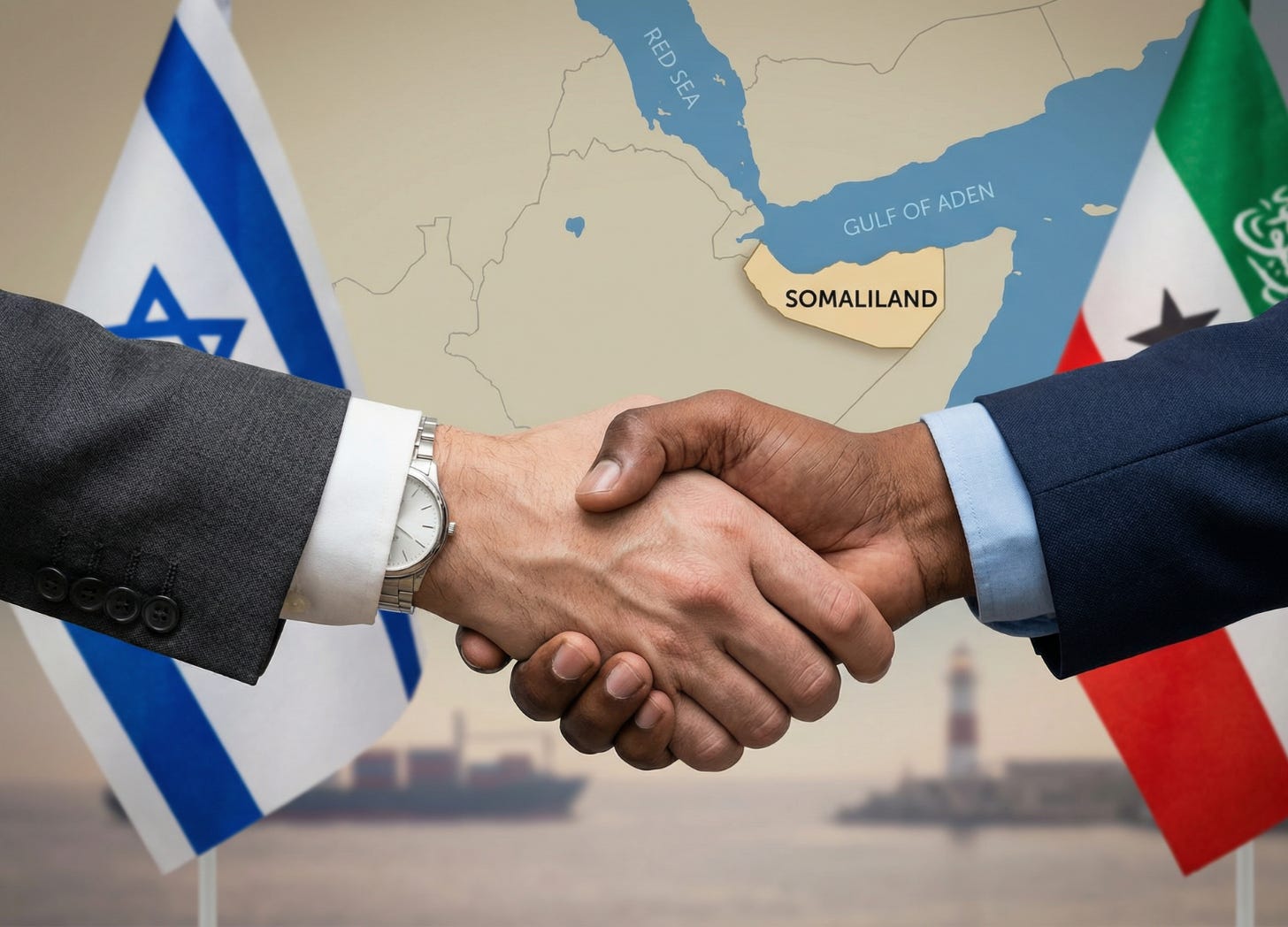
On December 26, Israeli Prime Minister Benjamin Netanyahu made Israel the first country in the world to formally recognize the Republic of Somaliland as an independent and sovereign state, establishing full diplomatic relations with the unrecognized East African nation that declared independence from Somalia over three decades ago.
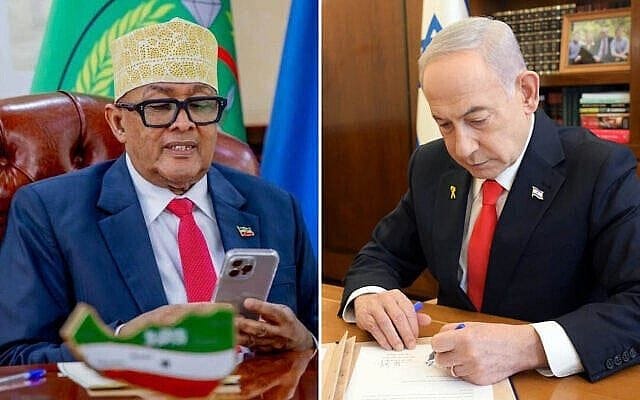
This historic decision, while sparking international controversy, represents a strategic partnership between Israel and one of the Muslim world’s most remarkable success stories, a functioning democracy that has achieved what billions in international aid could not accomplish in neighboring Somalia: denying al-Qaeda’s most powerful affiliate, al-Shabaab, any operational foothold.
A Strategic Partnership
Israel's interest in Somaliland centers on geography and security. The port city of Berbera sits on the Gulf of Aden near the Bab al-Mandeb strait, one of the world's busiest maritime chokepoints. Since 2016, Dubai's DP World has invested $442 million to develop Berbera into a major deepwater commercial hub.
The strategic importance of this location intensified after October 7, 2023, when Iranian-backed Houthi forces in Yemen began targeting vessels transiting the Bab al-Mandeb. These attacks disrupted international shipping, forcing carriers to divert routes around the African continent at significantly higher cost. Transit times increased, insurance rates surged, and energy shipments through the strait declined.
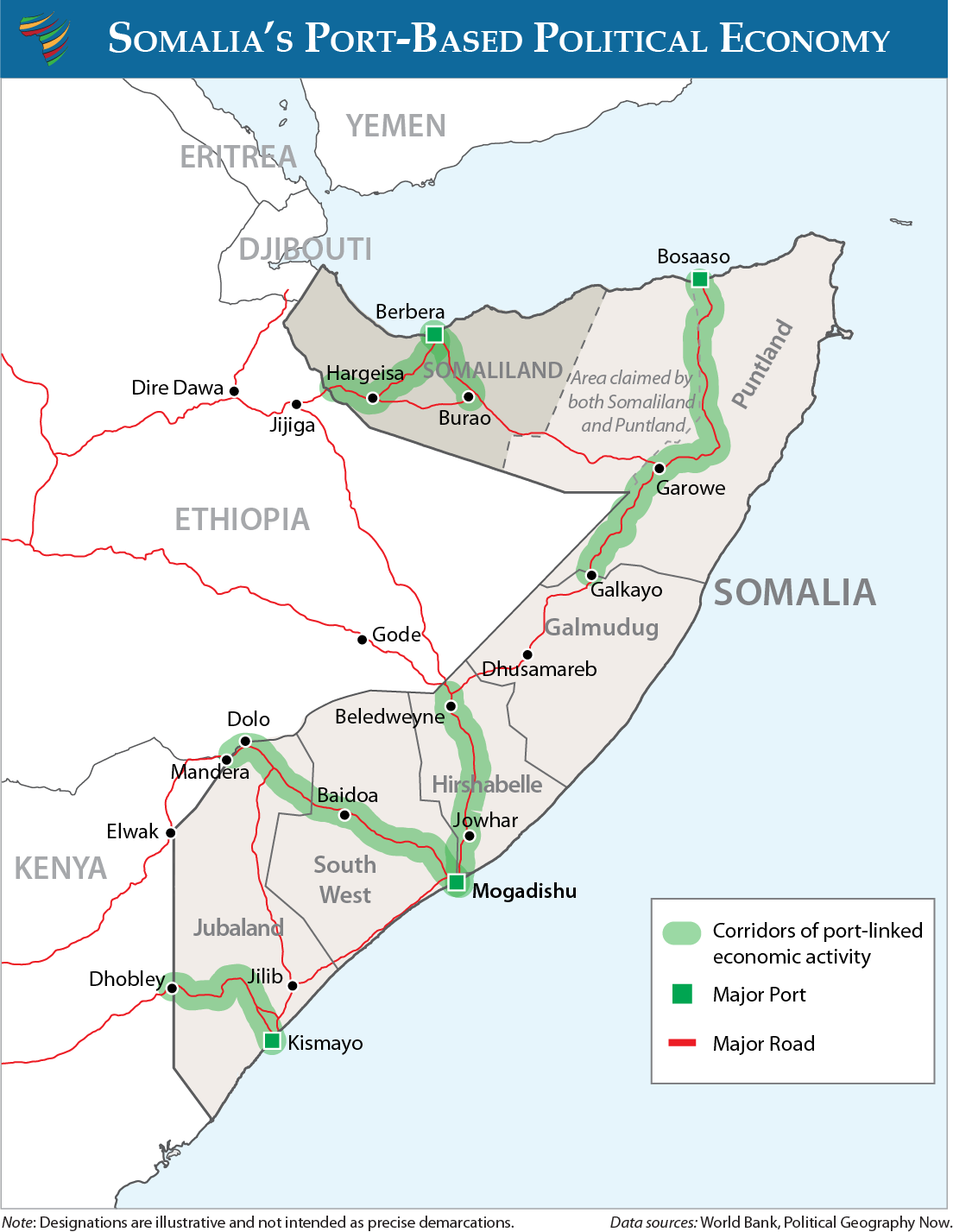
Somaliland’s position along the Gulf of Aden offers Israel potential monitoring capabilities for Iranian activities and Houthi operations affecting Red Sea shipping lanes. For Somaliland, a stable, pro-Western Muslim democracy fighting al-Qaeda, formal recognition offers legitimacy and access to international resources.
From British Protectorate to Unrecognized Democracy
Somaliland’s path to statehood began in 1960 when the former British protectorate gained independence and voluntarily united with Italian Somalia. This union proved disastrous. Under dictator Siad Barre’s brutal regime, an estimated 50,000 to 100,000 civilians in northern Somalia (present-day Somaliland) were killed. After Barre’s overthrow in 1991, Somaliland declared independence and embarked on a remarkable state-building project.
Today, Somaliland operates as a fully functioning nation with its own government, currency, military, and democratic institutions. Since 2003, it has held multiple peaceful elections and transferred power between four presidents, a rarity in the Horn of Africa. The capital, Hargeisa, bustles with economic activity, and the government maintains control over most of its territory, providing security and services that contrast sharply with the internationally-recognized Somali Federal Government in Mogadishu.
Yet despite these achievements, no UN member state recognized Somaliland’s independence, until now.
The Challenge of Recognition
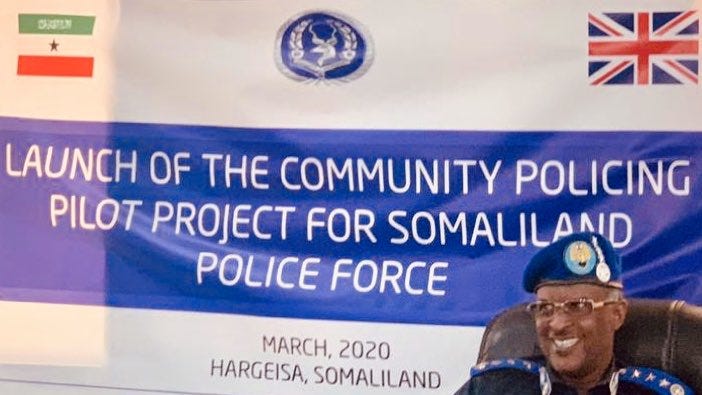
The international community’s refusal to recognize Somaliland reveals the gap between diplomatic theory and reality. The African Union (AU) opposes recognition, fearing it would open a “Pandora’s box” encouraging separatist movements across the continent. Somalia actively lobbies against recognition, claiming Somaliland remains part of its territory. Western nations maintain informal ties with Somaliland, the United Kingdom has funded police training academies and provides security assistance, while Somaliland operates a representative office in Washington D.C., yet officially defer to the AU’s position on recognition.
The result is a diplomatic paradox: Somaliland is safer, more democratic, and better governed than Somalia, yet Somalia holds the UN seat while Somaliland cannot access international loans or formal diplomatic channels. In 2020, Taiwan and Somaliland, both seeking international recognition, established a representative office in each other’s capitals. Yet even in this partnership between two unrecognized states, Taiwan has not formally recognized Somaliland as a sovereign nation.
A Counter-Terrorism Success
Perhaps Somaliland’s most impressive achievement is its security record. While al-Shabaab terrorizes Somalia, controls territory, bombs Mogadishu’s intelligence headquarters, and threatens to topple the government, Somaliland has not experienced a single terrorist attack since 2008. This 17-year streak surpasses the security records of Morocco, Saudi Arabia, and Egypt.
Somaliland maintains this security record with a relatively small army, no drones, and a security budget of approximately 35% of its national spending. Counter-terrorism experts point to what they describe as a "virtuous circle": local governance builds community trust, which generates human intelligence that enables targeted security operations, reinforcing both stability and governance structures.
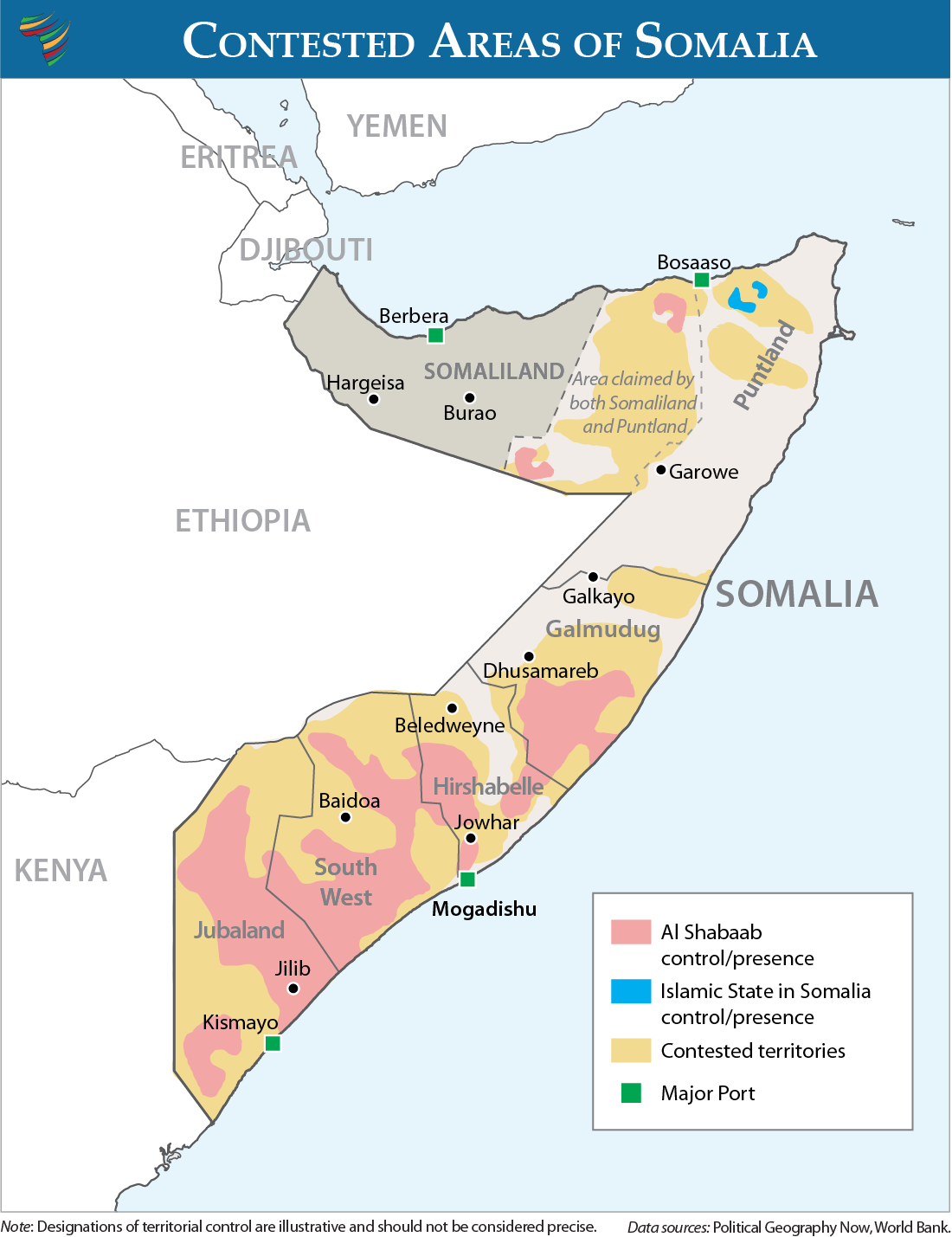
Community members, from clan elders to merchants, actively report suspicious activity. Families sometimes inform authorities about relatives they fear might be radicalized. The government responds swiftly and precisely, building further trust. This grassroots intelligence network has foiled at least three major al-Shabaab plots, denying the terrorist group the governance vacuum it exploits so successfully in Somalia.
The 2008 suicide bombings in Hargeisa that killed at least 30 people proved a turning point. According to West Point’s Combating Terrorism Center, Somaliland responded by refocusing its limited resources on local governance and community-driven intelligence initiatives. While hundreds of millions have been spent fighting al-Shabaab in Somalia with limited success, Somaliland has defeated the same enemy through intelligence and governance rather than firepower.
What This Means for Israel
For the Jewish community, this partnership signals Israel’s ability to build meaningful alliances with Muslim nations based on shared democratic values and security cooperation. While the Abraham Accords normalized relations with established Gulf states, Somaliland represents a different model, a partnership rooted in mutual strategic interests and moral alignment rather than traditional diplomatic calculation.