


Jewish Onliner is an independent publication. If you find our work valuable, please consider becoming a paid subscriber.
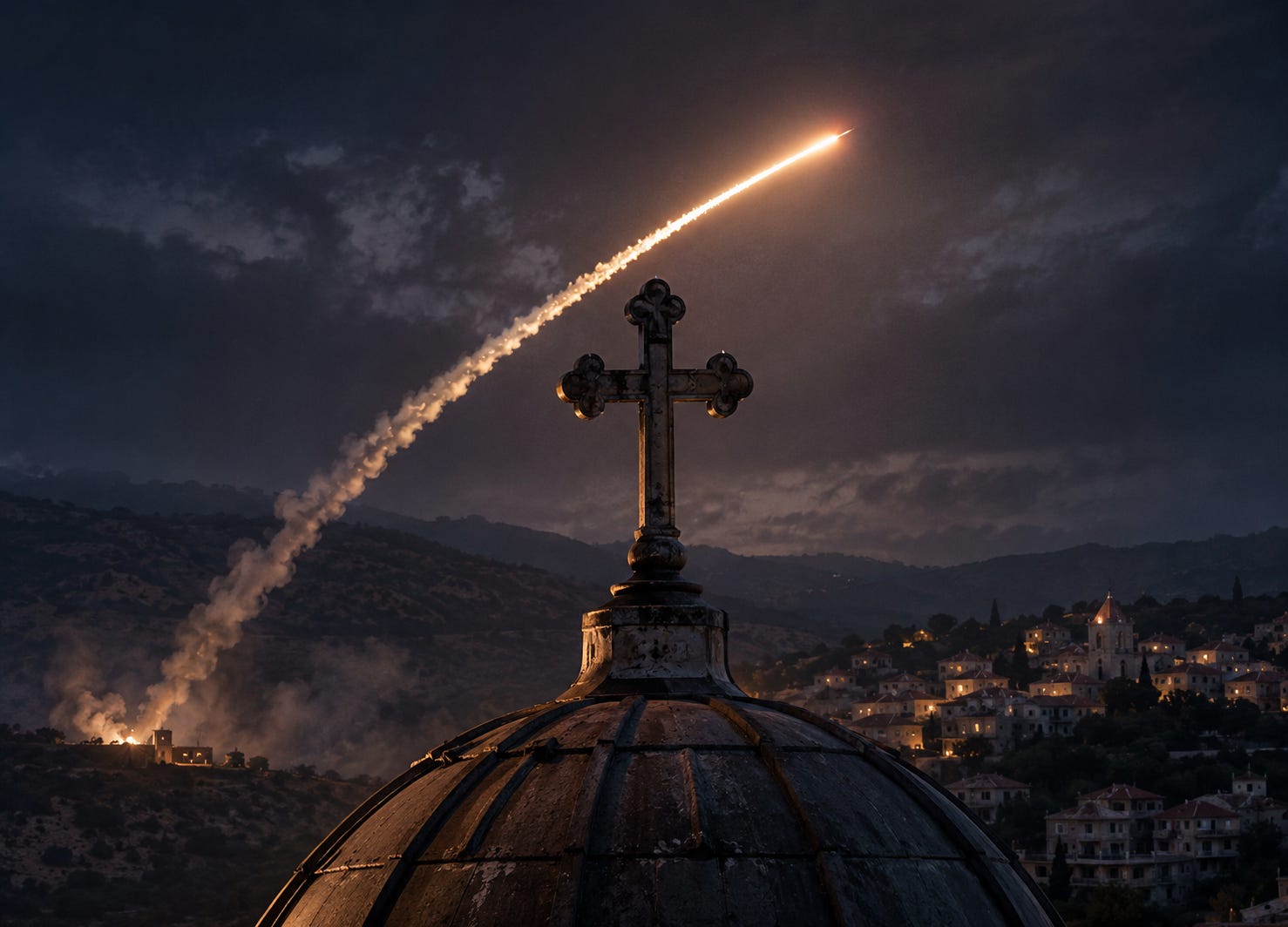
On the night of May 29, Hezbollah rockets struck Saint George Orthodox Church and a nearby school in Jdeidet Marjayoun, a predominantly Christian town in southern Lebanon already living under the shadow of the terror group’s war against Israel.
The strikes fit a pattern documented by Israeli officials and echoed by Lebanese local sources, with Hezbollah activity around Christian religious sites pulling civilian communities into an active battlefield. The threat has reportedly become so acute that some Lebanese residents have stood guard outside churches to keep Hezbollah operatives out.
The Marjayoun strike
The Jerusalem Post reported that IDF footage showed Hezbollah rockets striking Saint George Orthodox Church in Marjayoun on May 29, and said the Israeli military emphasized that no Israeli soldiers were operating near the church when it was hit. Times of Israel also reported, citing the Israeli military, that a Hezbollah rocket salvo struck several buildings in Marjayoun, including the church.

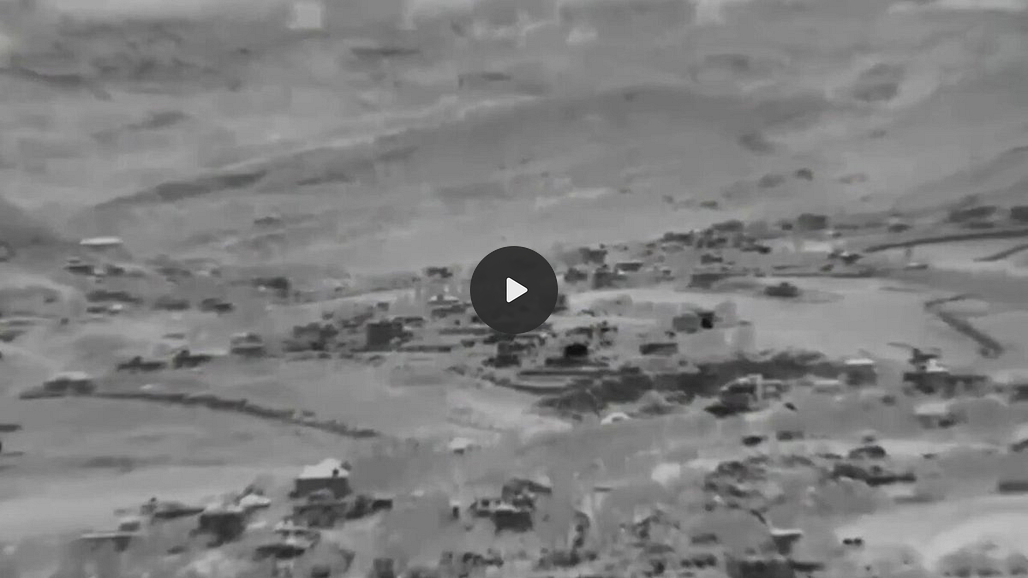


Local Lebanese reporting described the same damage in civilian areas. MTV Lebanon reported that Jdeidet Marjayoun was “gripped by panic” after rockets fired toward Israeli forces targeting Hezbollah positions near Dibbin landed inside residential neighborhoods and civilian sites, causing significant property damage. The report said the damage included Saint George Church and the Sacred Hearts school complex, placing the strike in the middle of a town where residents were already facing advancing ground operations nearby.
The Hezbollah allegation — and the dispute over blame
According to This is Beirut, a local Lebanese official said that the rockets were launched from the Mahmoudiyeh area northwest of the village, which he claimed Hezbollah uses to fire rockets and drones toward Israel and Israeli military positions.
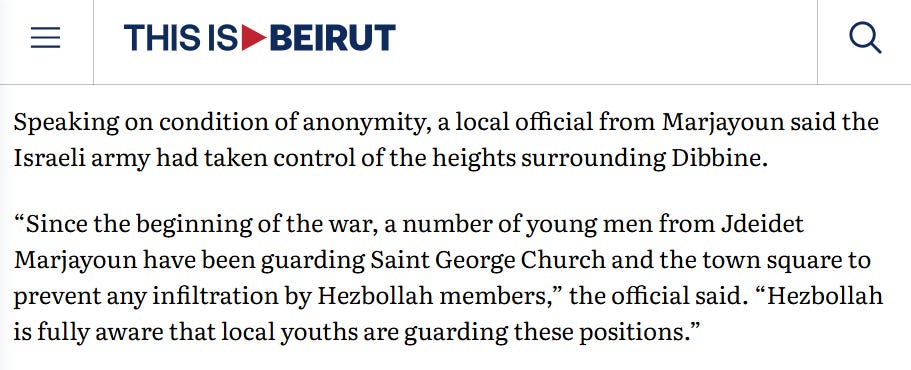
What that official said may be the most revealing detail in the whole episode: young men from Jdeidet Marjayoun had been standing guard at Saint George Church and the town square since the beginning of the war to prevent Hezbollah members from infiltrating the area.
Qouza, May 19: fired upon from inside a church
The Marjayoun strike followed another church-related allegation involving Hezbollah. On May 19, Times of Israel reported that Maj. Itamar Sapir, an Israeli reservist, was killed in Qouza after a Hezbollah operative opened fire from inside a church at Israeli forces operating in the village. This is Beirut separately reported that Israel’s Foreign Ministry described Sapir’s death as a Hezbollah attack launched from a church in southern Lebanon.


Israel’s Foreign Ministry later accused Hezbollah of “turning churches in Lebanon into terror strongholds” and “putting Christian civilians in harm’s way.”


A ceasefire collapsing around civilians
By June 3, Israel and Lebanon said they had agreed to implement a new ceasefire framework, but Reuters reported that the arrangement depended on Hezbollah ceasing fire and evacuating its operatives from the South Litani Sector, after earlier ceasefire efforts failed to curb Hezbollah’s continued violence.
For southern Lebanon’s Christian communities, those overlapping crises have collapsed into a single reality: Hezbollah fires, Israel responds, and their villages are caught in between.
The deeper Lebanese fight over Hezbollah’s arms
The Marjayoun incident also lands inside Lebanon’s unresolved struggle over Hezbollah’s weapons. Reuters reported in March that Lebanon’s government banned Hezbollah military activities after the group opened fire on Israel, and Prime Minister Nawaf Salam said Lebanon rejected military actions launched from its territory outside legitimate state institutions. Salam said the decision of war and peace belonged exclusively to the Lebanese state and called for Hezbollah to hand its weapons to the state.
That debate is no longer abstract for Christian villages near the border. Southern Lebanon’s Christian villages are increasingly trapped between Hezbollah’s armed presence and a Lebanese state struggling to reclaim authority over war and peace. That is why the damaged dome of Saint George Church is more than battlefield debris; it is evidence of a deeper crisis in Lebanon’s sovereignty, security, and communal survival.