


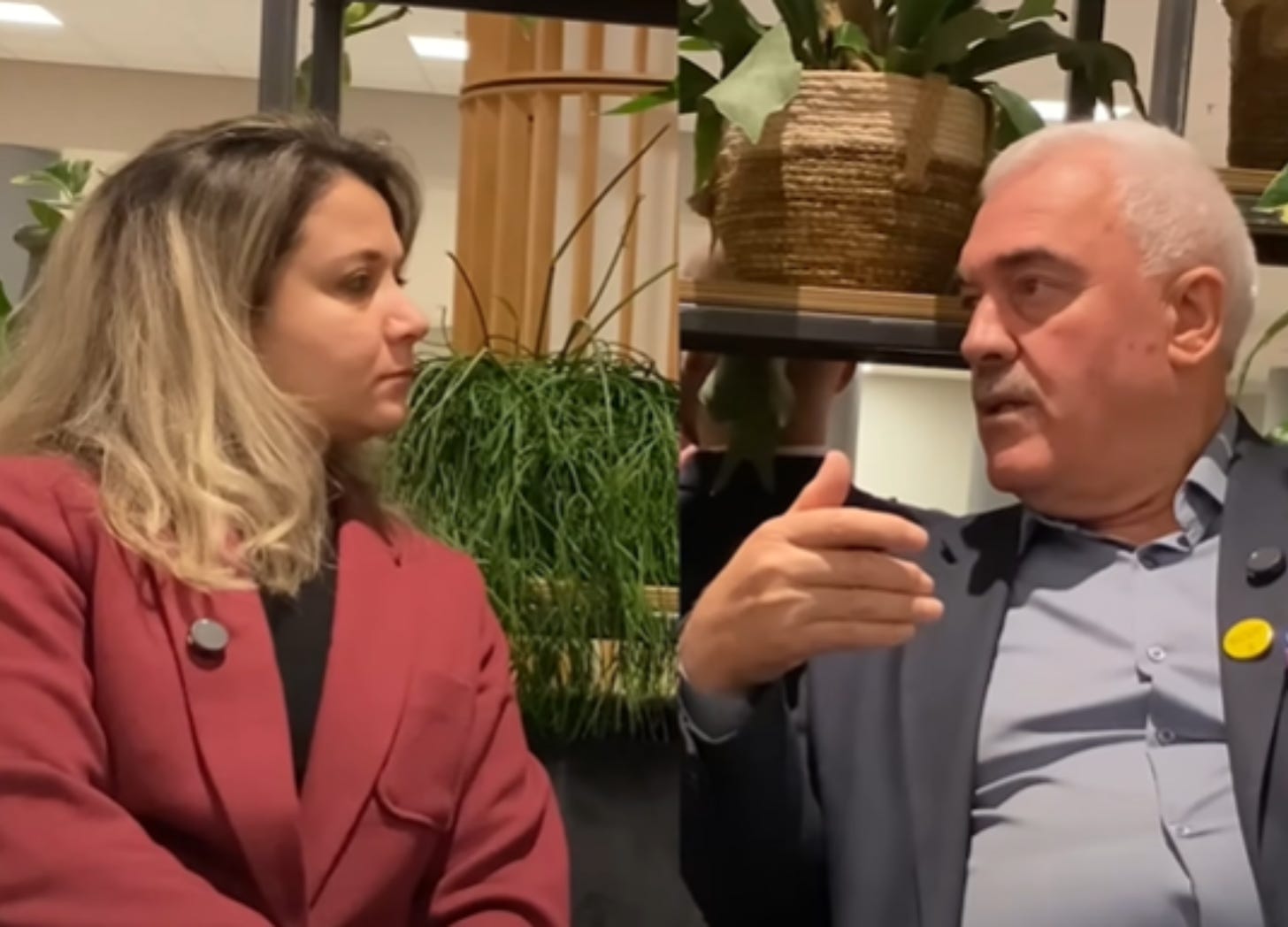
At the 24th Assembly of States Parties to the International Criminal Court (ICC) in The Hague this week, leaders of two Palestinian organizations sanctioned by the United States in September pledged to continue their work despite financial paralysis and frozen bank accounts.
The organizations—Al-Haq and the Palestinian Centre for Human Rights (PCHR)—were sanctioned for engaging in efforts by the ICC to investigate, arrest, detain, or prosecute Israeli nationals without Israel’s consent. Furthermore, their directors maintain documented terror ties to the US-designated terrorist group Popular Front for the Liberation of Palestine (PFLP) and have publicly mourned terrorist operatives as “martyrs.”
Sanctioned Directors Speak Out
Speaking to Middle East Eye outside the ICC conference, Shawan Jabarin, general director of Al-Haq, emphasized his organization’s determination despite acknowledging the sanctions mean “45 families without incomes, in Palestine and elsewhere.”
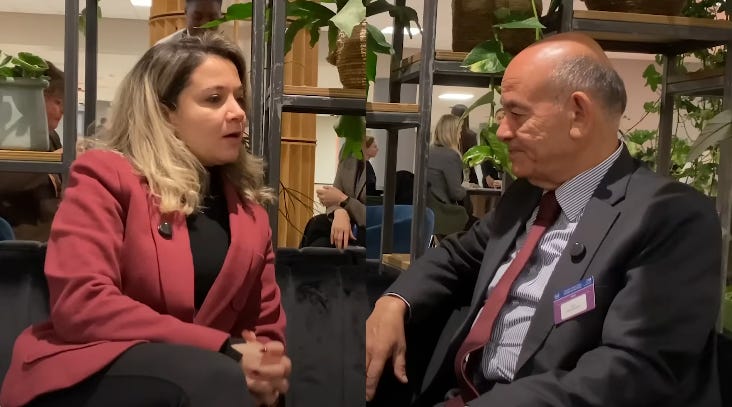
Raji Sourani, director of the PCHR, declared the sanctions “unprecedented” and “totally illegal,” vowing: “Politically speaking, we will continue with this and we are not deterred.”
Documented Terror Connections
What the activists omitted during their public statements are the extensive documented terror connections that led to their designation by both Israel and the United States.
In 2021, Israel designated Al-Haq as a terrorist organization, citing links to the Popular Front for the Liberation of Palestine (PFLP), a US-designated terrorist organization. Jabarin was convicted in 1985 for recruiting PFLP members and has been repeatedly denied travel permits by Israeli courts citing continued terrorist involvement. As recently as 2009, the Israeli Supreme Court dismissed his travel appeal, citing “reliable evidence of his links to terrorist organizations.”
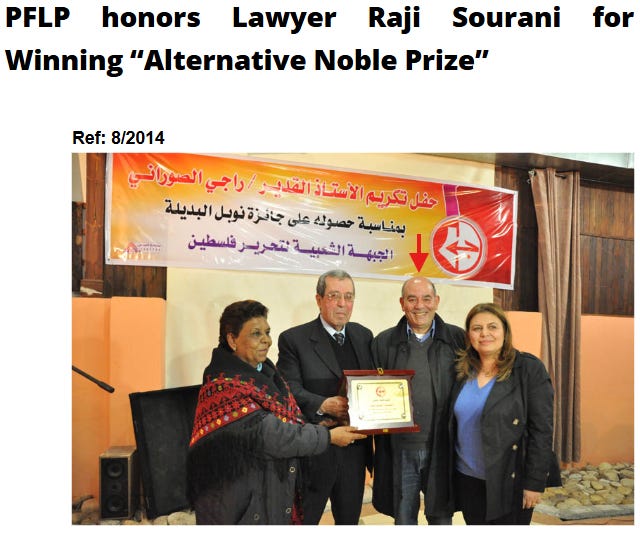
PCHR director Raji Sourani served three years in Israeli prison from 1979 to 1982 for PFLP membership. In a revealing 2014 ceremony organized by the PFLP, Sourani openly stated: “I was in the ranks of the Popular Front... We don’t apologize and don’t regret our past, we are proud that once we were members of this organization and we fought in its ranks.”
Honoring Terrorists as “Martyrs”
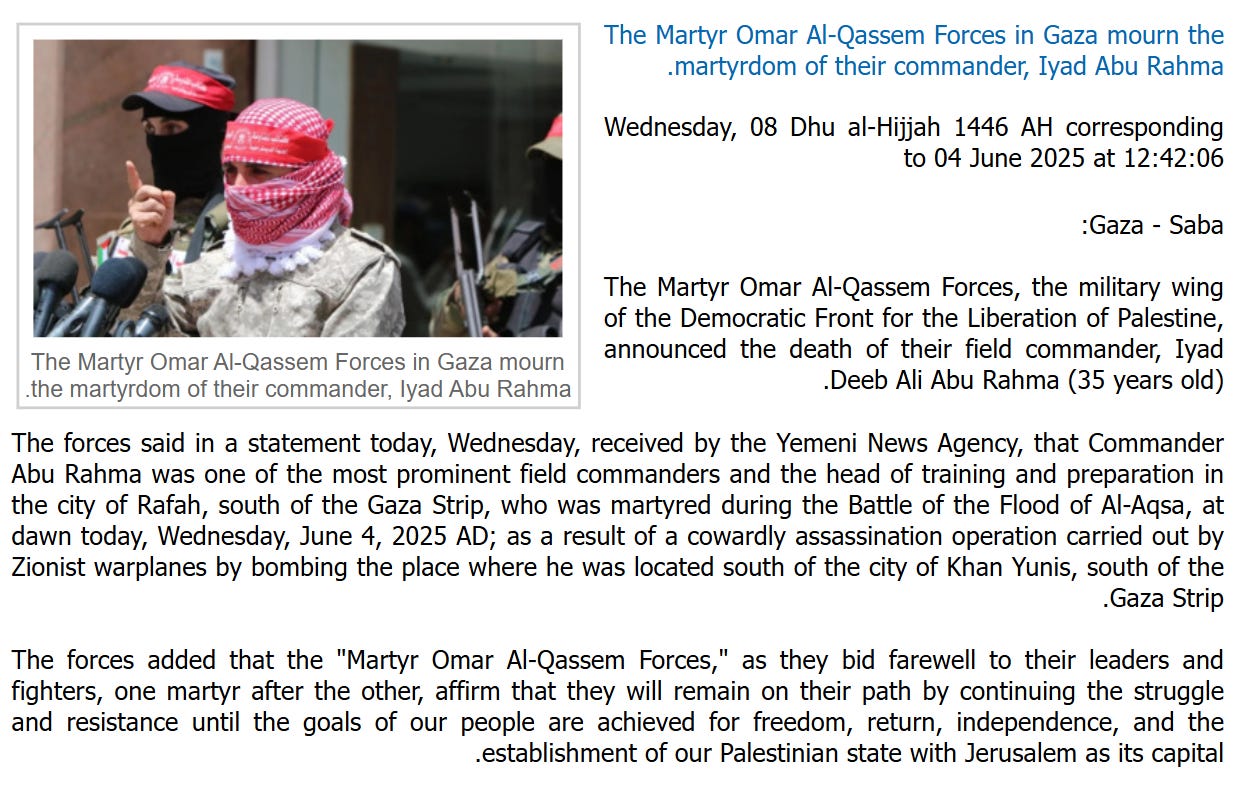
In June, Al-Haq issued a statement mourning the death of Eyad Abu Rahma, who was reportedly killed in an Israeli airstrike in Gaza. Eyad, the brother of Al-Haq field researcher Mohammad Abu Rahma, was posthumously honored as a “martyr” by the organization. However, Jewish Onliner previously revealed that Eyad was actually a senior Democratic Front for the Liberation of Palestine (DFLP) terrorist leader, not a civilian as the organization claimed.
Severe Financial Impact
Both directors confirmed all bank accounts were frozen immediately after the sanctions. “Our accounts promptly immediately was frozen, and no bank would be ready to cooperate or receive any funds related to PCHR,” Sourani explained, adding this put his organization “in very deep financial trouble.”
Sourani revealed several US-based partner organizations, including the Center for Constitutional Rights and the Civil Liberties Union, cut off all communication. “They can be sanctioned up to 12 years in prison and they can be sanctioned with $300,000 for each if they continue,” he noted.
Major payment processors Visa, Mastercard, and American Express stopped processing online donations for Al-Haq prior to the current sanctions due to the organization’s documented terror connections.
Continued ICC Cooperation
Despite financial paralysis, both directors emphasized ongoing engagement with ICC officials. Sourani revealed his organization met with ICC deputy prosecutors, the BPRS, and the investigative team the day after sanctions were announced. Jabarin confirmed: “We are continuing cooperating with them. We continue providing them what we can do in a very professional way.”
At The Hague, the sanctioned organizations are lobbying European countries to activate “blocking statutes”—legal instruments protecting people within the EU from extraterritorial US sanctions. However, both directors acknowledged hearing private support from European officials but noted the lack of strong public statements, except from the Belgian foreign minister.
Despite complete loss of funding, both directors pledged to continue working voluntarily if necessary. “I promise you as a person, as a director, I will do my work voluntary. If there’s no money, I will do that volunteer,” Jabarin stated.