


Jewish Onliner is an independent publication. If you find our work valuable, please consider becoming a paid subscriber. You can also subscribe to us on WhatsApp and Telegram. Follow us on Instagram, Discord, and X.
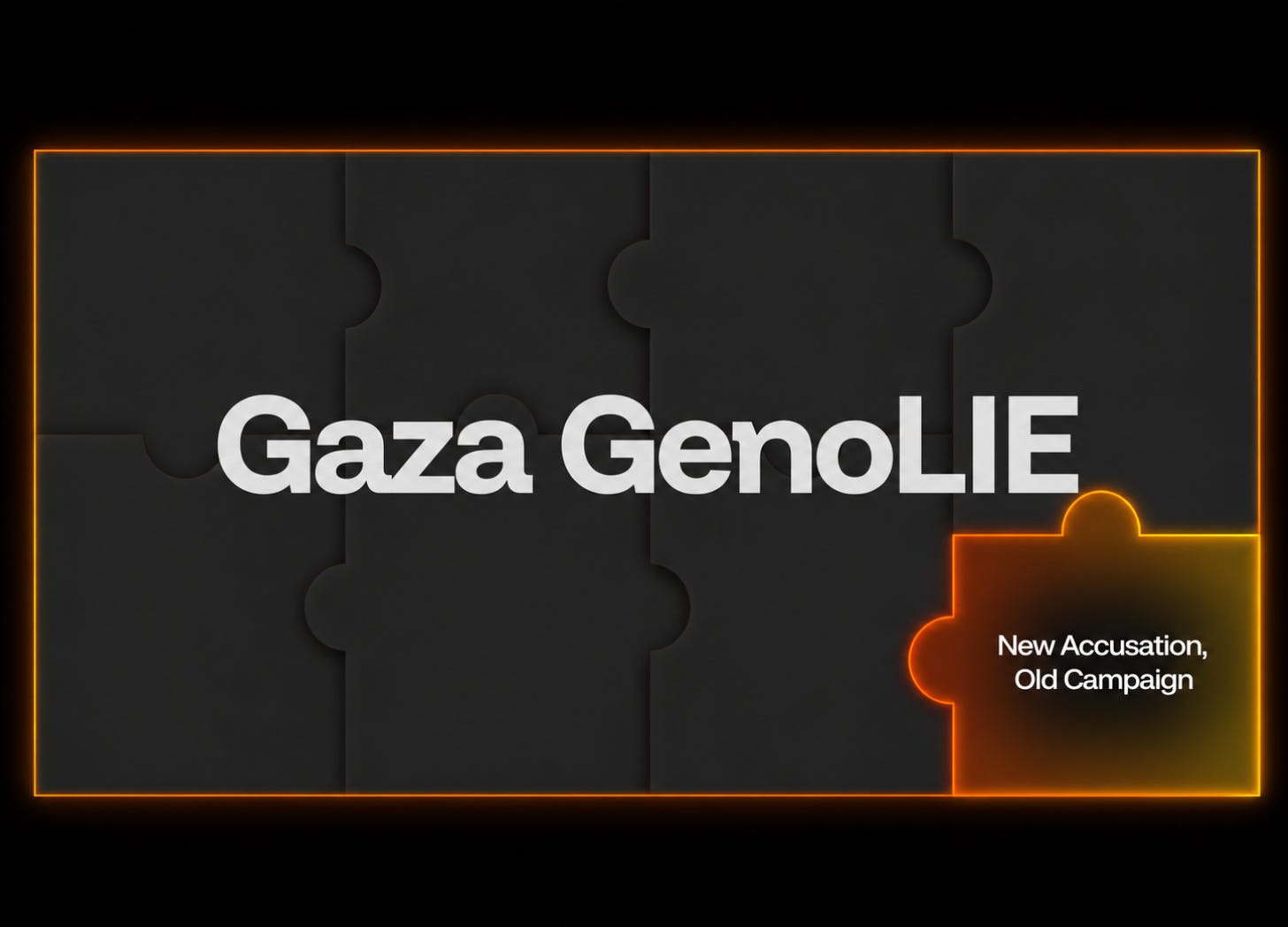
The eighth and final installment of the Gaza GenoLIE series documents how the false genocide accusation against Israel represents the latest stage of a delegitimization campaign that began nearly five decades before the Hamas-led October 7, 2023, massacre.
Titled “New Accusation, Old Campaign,” the installment traces the narrative through the Soviet- and Arab-backed “Zionism is racism” resolution at the United Nations, the 2001 Durban conference, the Boycott, Divestment and Sanctions movement and present-day campaigns targeting Israel.
The terminology has changed across generations, but the objective has remained consistent: isolating Israel internationally and challenging its continued existence as a Jewish state.
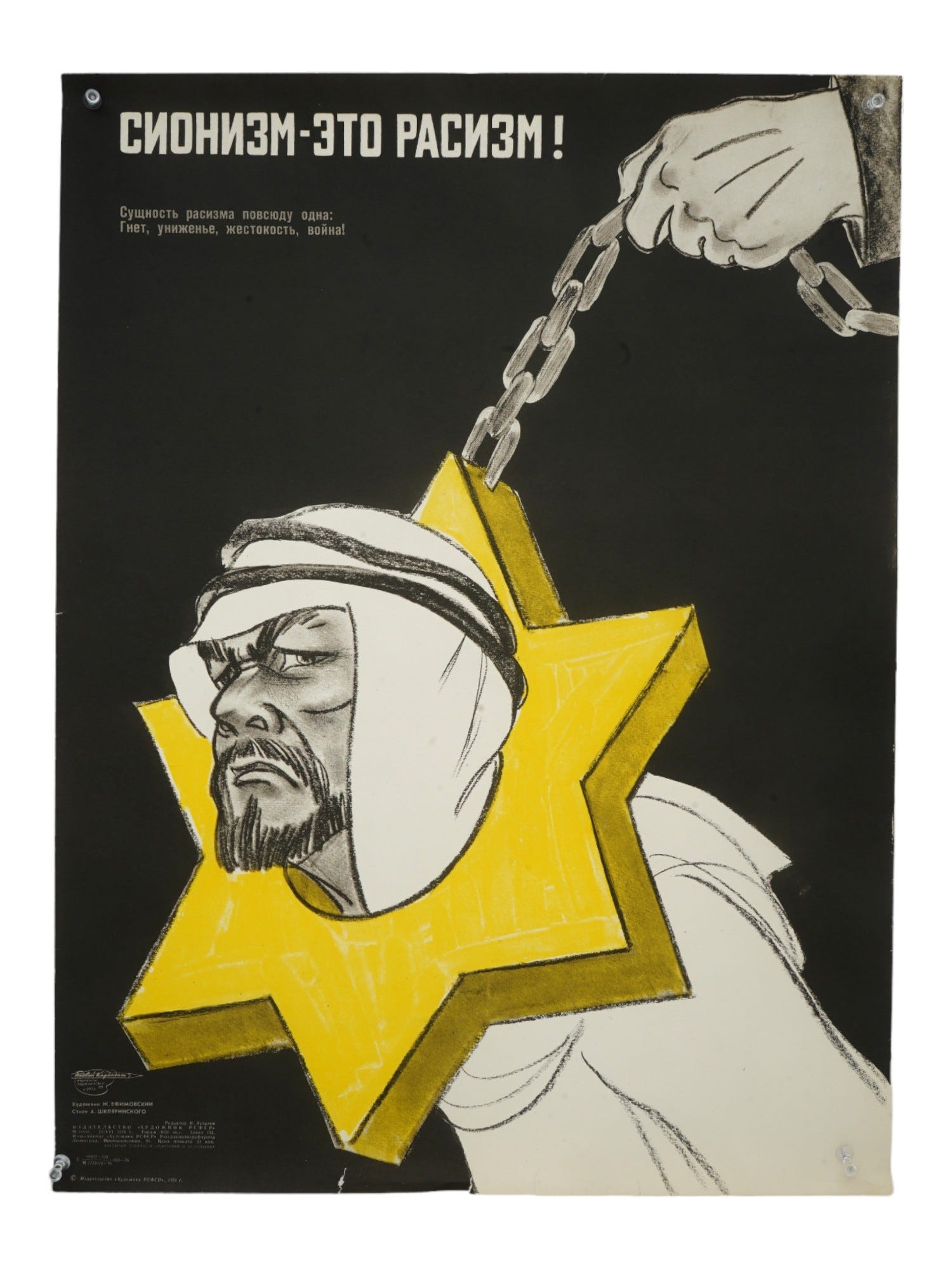
The UN’s “Zionism Is Racism” Resolution
The historical timeline begins on November 10, 1975, when the UN General Assembly adopted Resolution 3379, declaring that Zionism was “a form of racism and racial discrimination.”
The measure passed by 72 votes to 35, with 32 abstentions. It was championed by the Arab League and Soviet bloc, with broad support from the Non-Aligned Movement.
The resolution remained in place for 16 years. On December 16, 1991, the General Assembly adopted Resolution 46/86, revoking the earlier determination by 111 votes to 25, with 13 abstentions.
It was the only time the General Assembly explicitly revoked one of its resolutions. The reversal underscored the political nature of the 1975 designation.
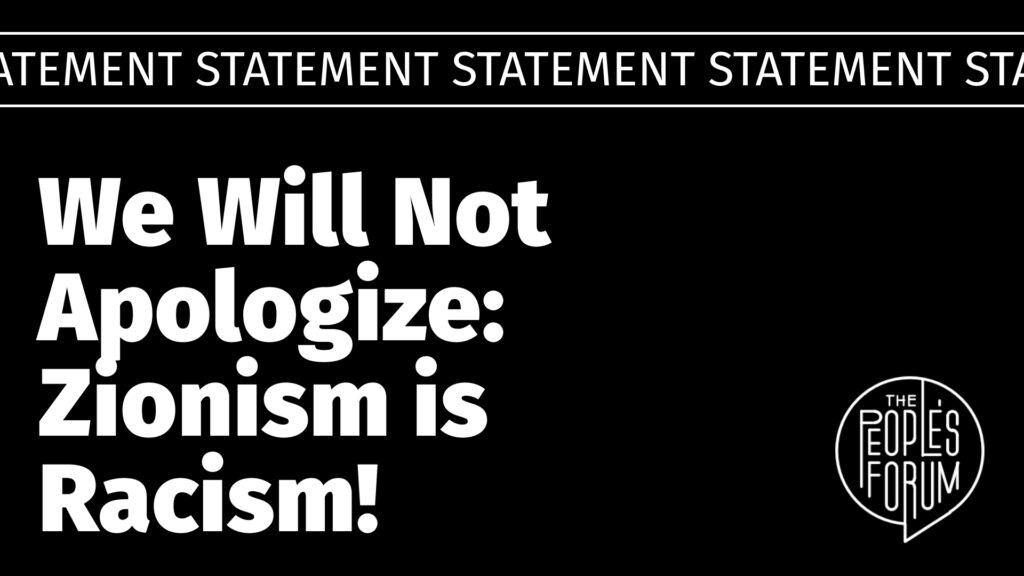
The same formula continues to circulate. In January 2024, The People’s Forum, which House investigators have described as part of a CCP-linked funding network centered on Shanghai-based businessman Neville Roy Singham, published a statement titled “We Will Not Apologize: Zionism Is Racism.” The statement revived the language of Resolution 3379 more than three decades after its revocation.
Durban Assembled the Modern Vocabulary
The delegitimization campaign resurfaced at the 2001 UN World Conference Against Racism in Durban, South Africa.
A parallel NGO forum, distinct from the conference’s official government proceedings, adopted a declaration calling for the restoration of the “Zionism is racism” designation.
The declaration labeled Israel a “racist, apartheid state,” accused it of “war crimes, acts of genocide and ethnic cleansing” and described Israeli policy as “settler colonialism.” It also called for measures previously used against apartheid South Africa, including comprehensive sanctions, embargoes and the suspension of diplomatic relations.
Mary Robinson, then the UN high commissioner for human rights, said she could not recommend the NGO declaration to participating governments because she could not accept some of its language.
Durban brought false accusations of racism, apartheid, settler-colonialism and genocide together within a common anti-Israel framework. The same collection of terms remains central to campaigns targeting Israel today.
Durban’s Framework Moves Into BDS
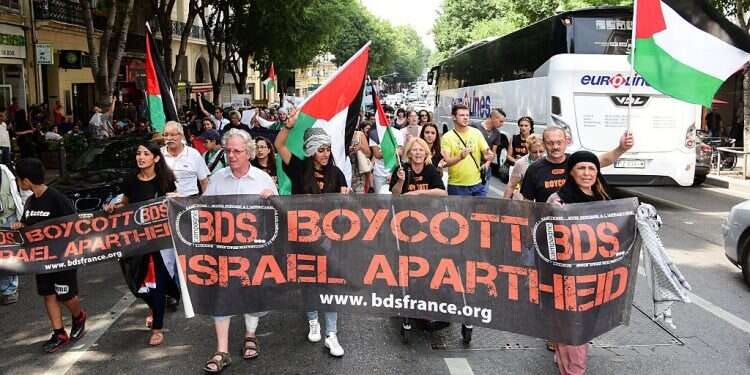
Four years later, the Palestinian-led BDS movement formally launched its campaign for boycotts, divestment and sanctions against Israel.
BDS presents itself as a nonviolent effort to pressure Israel over Palestinian rights and international law. Its co-founder Omar Barghouti, however, has explicitly rejected Jewish sovereignty.
“We oppose a Jewish state in any part of Palestine,” Barghouti said in a statement documented by the World Jewish Congress.
The methods had shifted from UN resolutions and NGO declarations to economic, cultural and academic pressure, but the stated opposition to Israel’s existence as a Jewish state remained.
Scholars’ Resolution Faces Scrutiny
The International Association of Genocide Scholars passed an August 2025 resolution advancing the false accusation that Israel’s conduct in Gaza met the legal definition of genocide.
A subsequent investigation found that the organization’s membership directory had expanded from approximately 150 members before October 7, 2023, to roughly 440 when the resolution was released.
At the time, membership started at $30, and paid members could participate in votes on resolutions by email. The membership application did not require specific academic credentials.
The rapid membership expansion and low entry threshold raised questions about how the resolution was presented publicly as expert consensus.


The False Accusation Expands Beyond Gaza
The false genocide accusation has been applied beyond Gaza to other Israeli military campaigns.
On April 6, 2026, Mehdi Hasan published a Zeteo article titled “Israel’s Latest Genocide Is Against the Shias of Lebanon. Why Is the World Silent?”
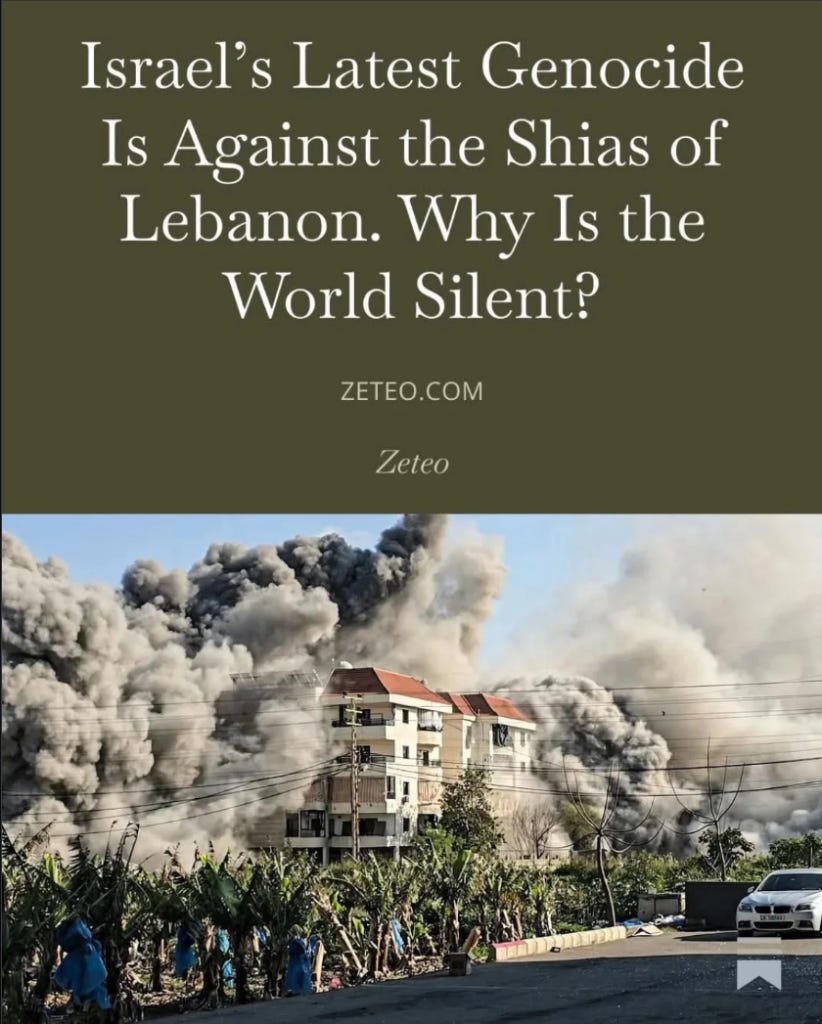
Genocide in Lebanon too? Mehdi Hasan’s Zeteo platform publishes an article in April 2026 on “Israel’s Latest Genocide” in Lebanon, proving that the accusation of genocide arises whenever and wherever Israel defends itself because the goal is to delegitimize the Jewish state entirely.
The Lebanon article provides a documented example of the false genocide accusation moving into another theater where Israel was conducting military operations against an armed group.
From the 1975 UN resolution to Durban, BDS and the current Gaza genocide narrative, the language and methods have changed while the intended consequence has remained the same: transforming Israel into a uniquely illegitimate state subject to international boycott, isolation and exclusion from the international community.
The manufactured Gaza genocide narrative did not begin with the war launched after October 7. It is the latest iteration of a decades-long campaign used to pressure Israel during its war against Hamas, isolate the Jewish state internationally and intensify anti-Zionism and antisemitism worldwide.
None of which explains or discredits the many genocide scholars who are writing that Gaza since 2023 constitutes a genocide.