


Jewish Onliner is an independent publication. If you find our work valuable, please consider becoming a paid subscriber. You can also subscribe to us on WhatsApp and Telegram. Follow us on Instagram, Discord, and X.
The latest installment of the Gaza GenoLIE campaign debunks claims that Israel deliberately waged a “war on journalists” in Gaza, pointing to documented Hamas and Palestinian Islamic Jihad ties among media workers counted as press casualties, cases of journalists later identified as combatants, and evidence that Hamas itself threatened, assaulted and intimidated reporters inside the enclave.
The campaign piece demonstrates how casualty figures widely cited as evidence of a systematic Israeli campaign against the press included individuals later identified as Hamas or Palestinian Islamic Jihad members, including combatants. It also documents how Hamas itself suppressed reporting inside Gaza through threats, intimidation and violence against journalists.
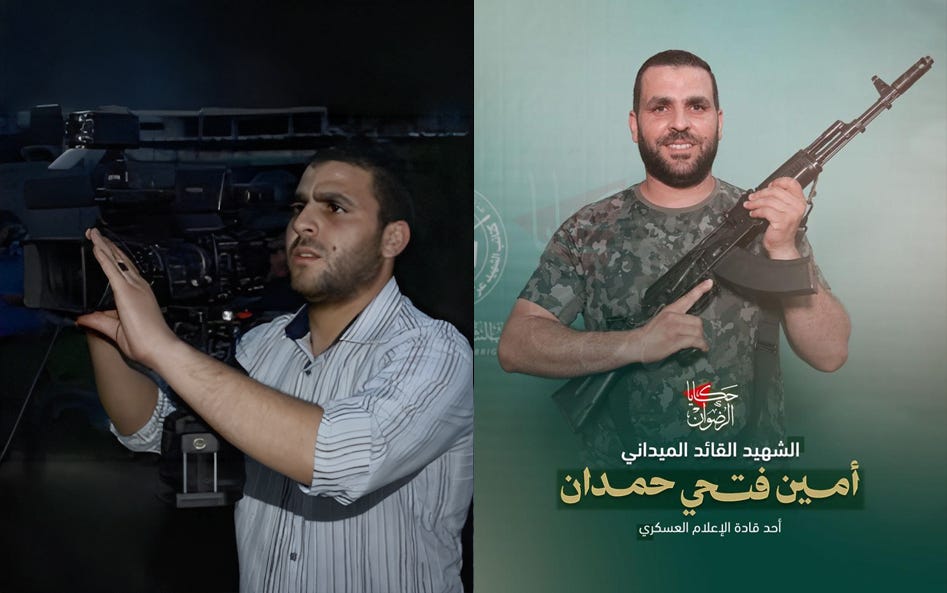
CPJ Removes Terrorist Combatants From Journalist Database
On June 25, the Committee to Protect Journalists (CPJ) announced a full review of its Israel-Gaza war database after Hamas and Palestinian Islamic Jihad began publishing obituaries identifying as combatants people previously listed by the organization as journalists.
CPJ said it had already removed eight people after subsequent research established that they had been Hamas or PIJ combatants. Another 12 were removed for other reasons. CPJ CEO Jodie Ginsberg also condemned the misrepresentation of combatants as journalists and the misuse of press insignia, saying those practices endanger legitimate reporters.
One example was Mohamed Naser Abu Huwaidi, whose December 2023 death prompted a UNESCO statement mourning him as a journalist. In 2026, however, PIJ’s military wing identified Abu Huwaidi as one of its operatives and said he served in the organization’s military media apparatus. CPJ subsequently removed him from its database after concluding that he had participated in combat, according to The Times of Israel.
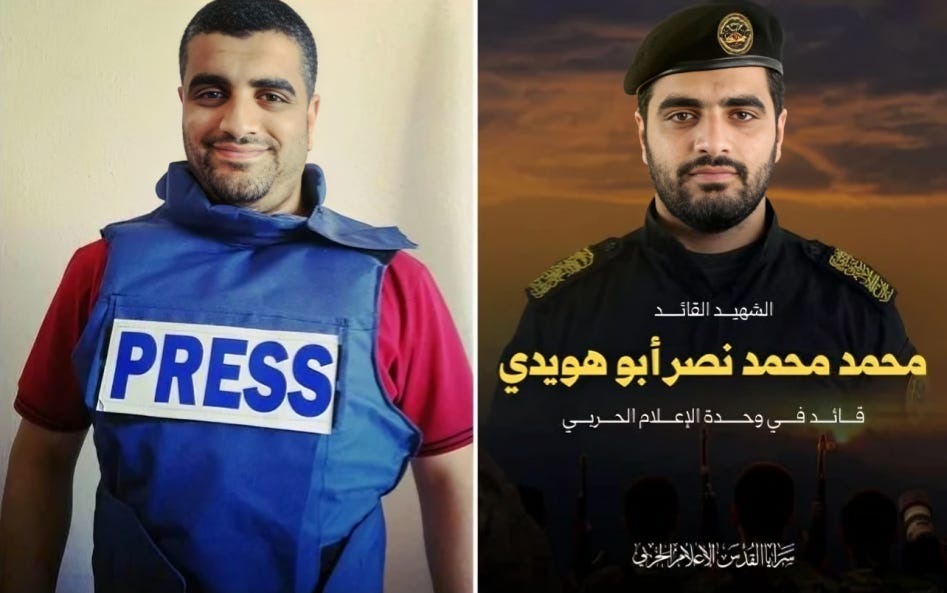
Mohamed Naser Abu Huwaidi worked as a “photojournalist” and often wore the press vest even though he was a commander in the U.S.-designated terror group, Palestinian Islamic Jihad (PIJ). Source: The Times of Israel
A December 2025 study by the Meir Amit Intelligence and Terrorism Information Center reached a broader finding. Of 266 Gazans identified as journalists or media personnel who had been killed through November 2025, roughly 60% were members of or clearly affiliated with terrorist organizations, primarily Hamas and PIJ, according to the study.
Al Jazeera Journalists Linked to Hamas
The GenoLIE piece also highlights Anas al-Sharif, one of Al Jazeera’s most prominent correspondents in Gaza, who was killed in an Israeli strike in August 2025.
The IDF revealed that al-Sharif commanded a Hamas cell involved in advancing rocket attacks. It released documents it said were recovered during operations in Gaza, including military rosters, salary records and an internal phone directory.
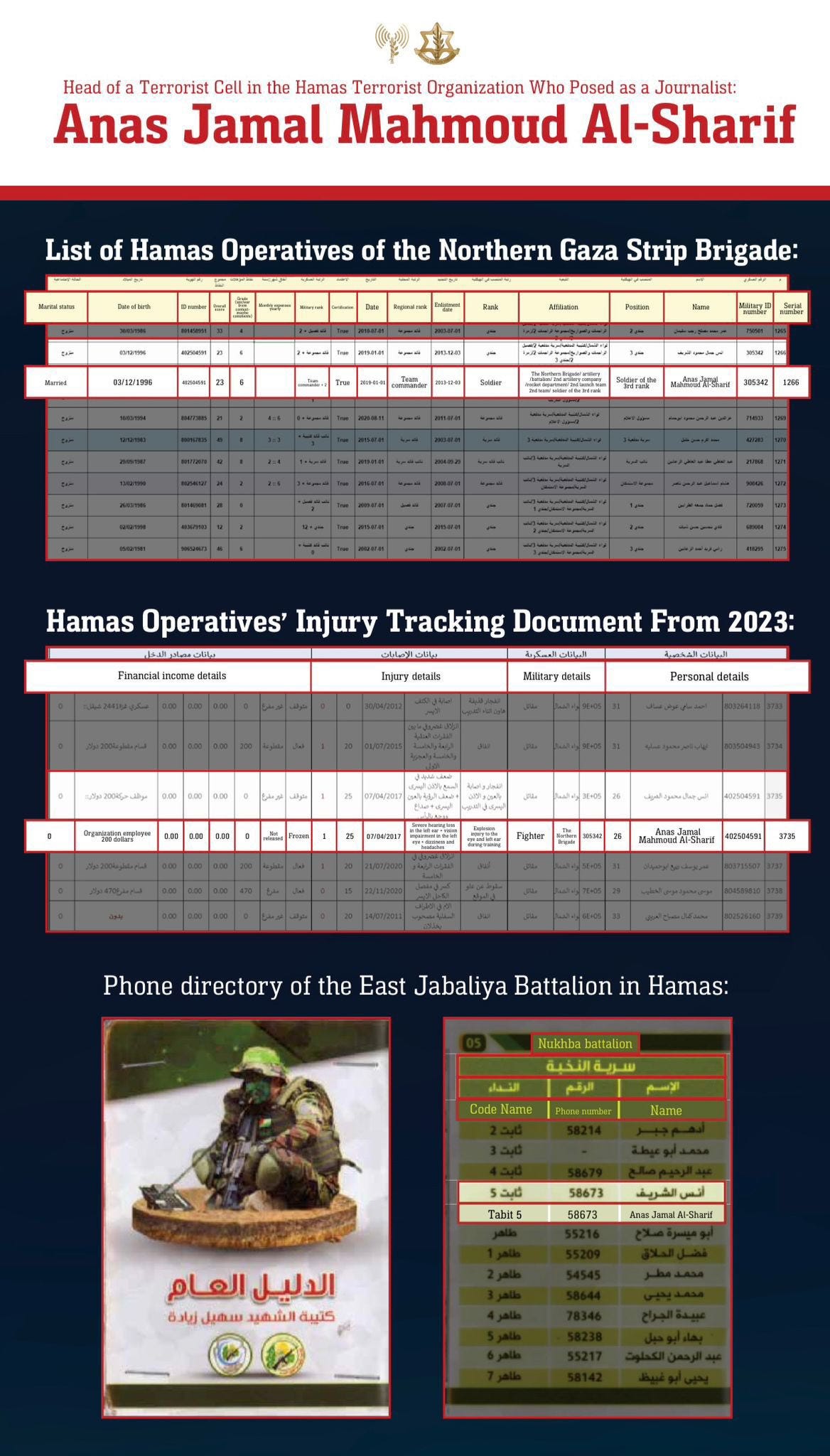
The records identified al-Sharif as having joined Hamas’s military wing in 2013 and serving in a rocket-launching unit. Another document placed his name in a phone directory associated with a Nukhba company in Hamas’s East Jabalia Battalion.
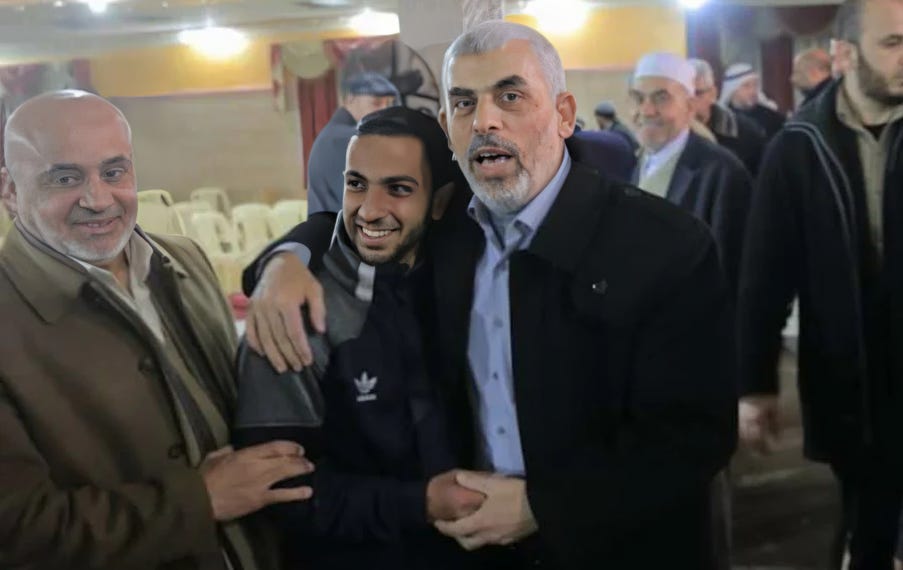
The IDF has released similar documentation regarding other Gaza media workers.
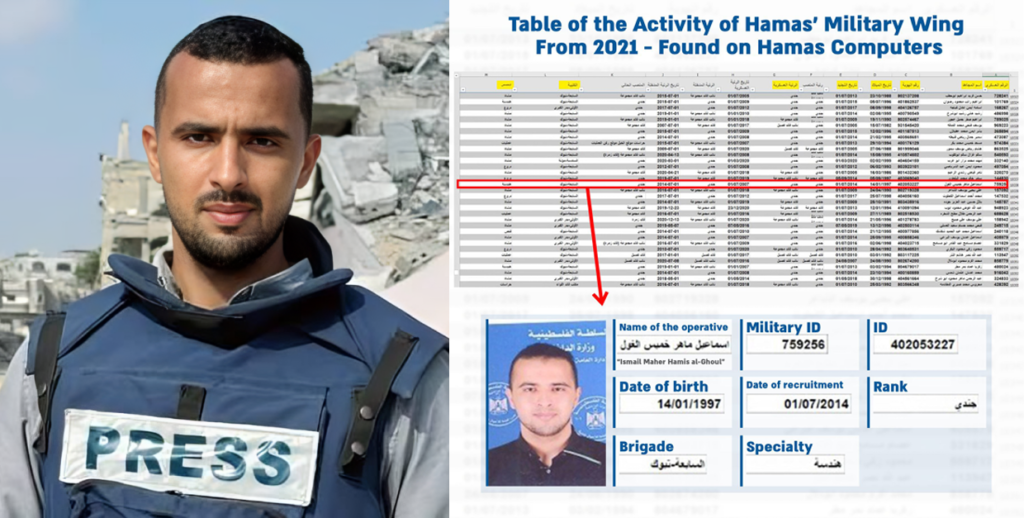
An IDF dossier identified Al Jazeera journalist Ismail al-Ghoul as a Hamas Nukhba terrorist and said he participated in the Oct. 7 massacre.

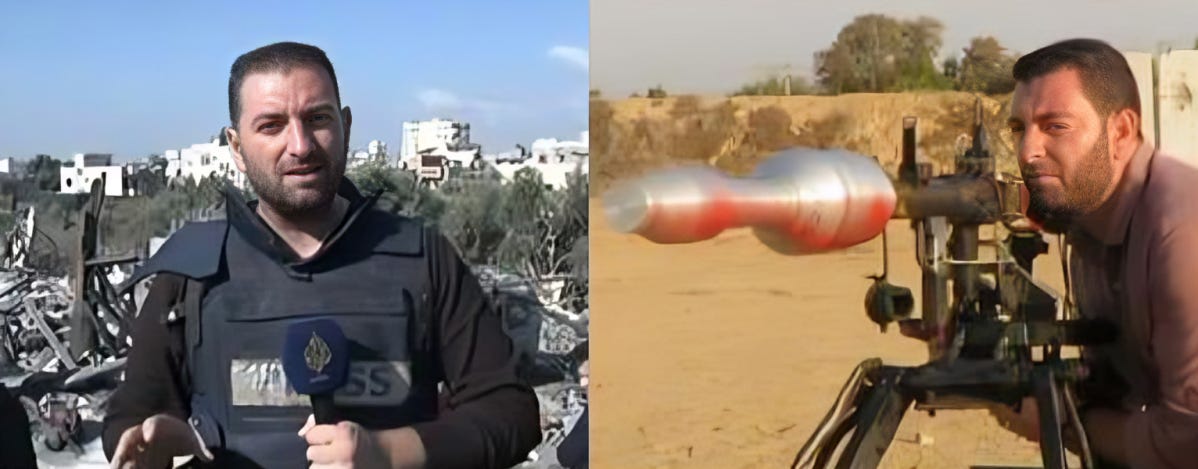
Another Al Jazeera journalist, Samir Muhammad Wishah, was identified by IDF Arabic spokesman Avichay Adraee as a commander in Hamas’s anti-tank unit who was later transferred to research and development within the terrorist organization’s aerial forces.
Hamas Threatened Journalists Inside Gaza
The GenoLIE campaign also documents an aspect of Gaza’s media environment that received considerably less international attention: Hamas’s repression of journalists.
In May 2025, CPJ published an extensive report detailing threats, surveillance, beatings and interference with reporting.
Journalist Tawfiq Abu Jarad told CPJ that a Hamas security agent warned him against covering an anti-Hamas demonstration and told him he would be held responsible if his wife attended.
Abu Jarad had previously been beaten and interrogated for hours by masked men he identified as Hamas-affiliated. He said he was accused of covering events amounting to a coup and was released only after promising to stop reporting.
Freelance photographer Ibrahim Muhareb told CPJ that armed men in plainclothes beat him unconscious near Nasser Hospital, leaving him with serious head wounds.
Tahseen al-Astal, deputy head of the Palestinian Journalists’ Syndicate, told CPJ that the pressure had produced widespread self-censorship among reporters seeking to avoid problems with Hamas authorities. CPJ concluded that Hamas violations against journalists during the war had been vastly underreported.
Why the “War on Journalists” Narrative Falls Apart
Taken together, the evidence undercuts the claim that journalist casualty figures alone demonstrate an Israeli campaign to silence the press. The picture presented by GenoLIE is instead one of journalists operating in an intense urban battlefield where some people counted as media workers were also members of terrorist organizations, while Hamas itself restricted and intimidated the reporters operating under its rule.