


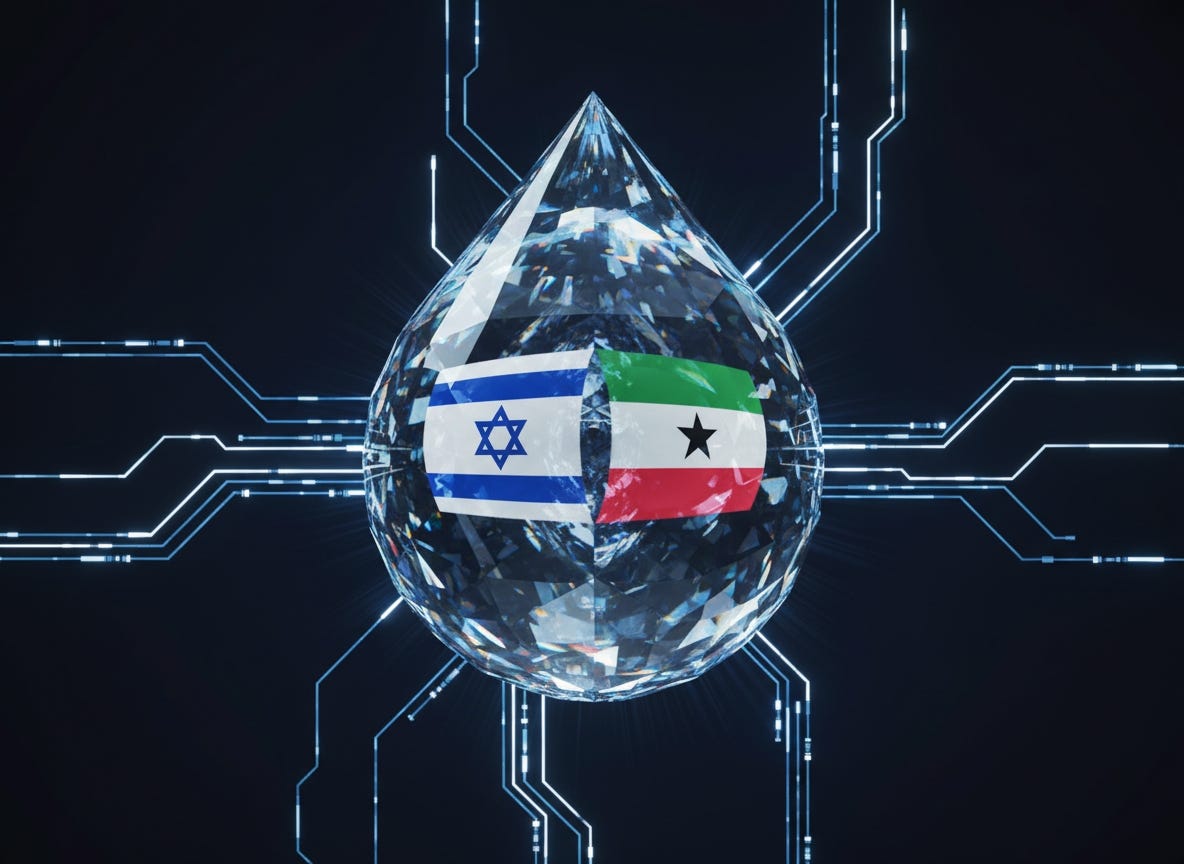
Somaliland water experts recently returned to Hargeisa, wrapping up a weeks-long training program in Israeli water management that continued during Operation Epic Fury—the U.S.-Israeli military campaign against Iranian regime targets launched February 28
The program, organized by MASHAV (Israel's Agency for International Development Cooperation), trained the first cohort of Somaliland engineers in water recycling, desalination, and infrastructure management—fields in which Israel has pioneered out of necessity. The timing underscores a strategic pattern: even amid active conflict, Israel continues leveraging its water expertise as a diplomatic asset, particularly with partners in water-scarce regions.
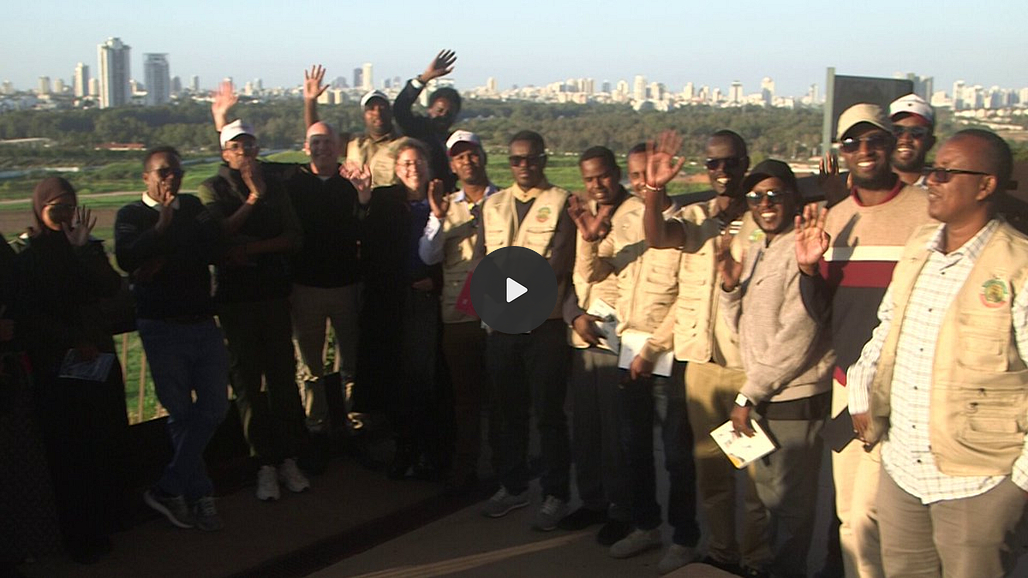
The 25-person delegation, led by Somaliland Ministry of Water Development Director General Aden Abdullah Abdullah and Chief Engineer Omar Ahmed Ibrahim, visited facilities including the Shafdan wastewater treatment complex in Rishon LeZion—which processes 97 million gallons daily.
The delegation also visited the Al-Furaa Off-Grid Hub, a project developed by the Arava Institute for Environmental Studies with local and agtech partners, focused on drinking water, sanitation, energy, and waste management in a Bedouin community. Ambassador Rony Yedidia Clein also documented the delegation's visit to Shafdan, highlighting Israel's world-leading wastewater reclamation technology.

Training Continued Through Conflict
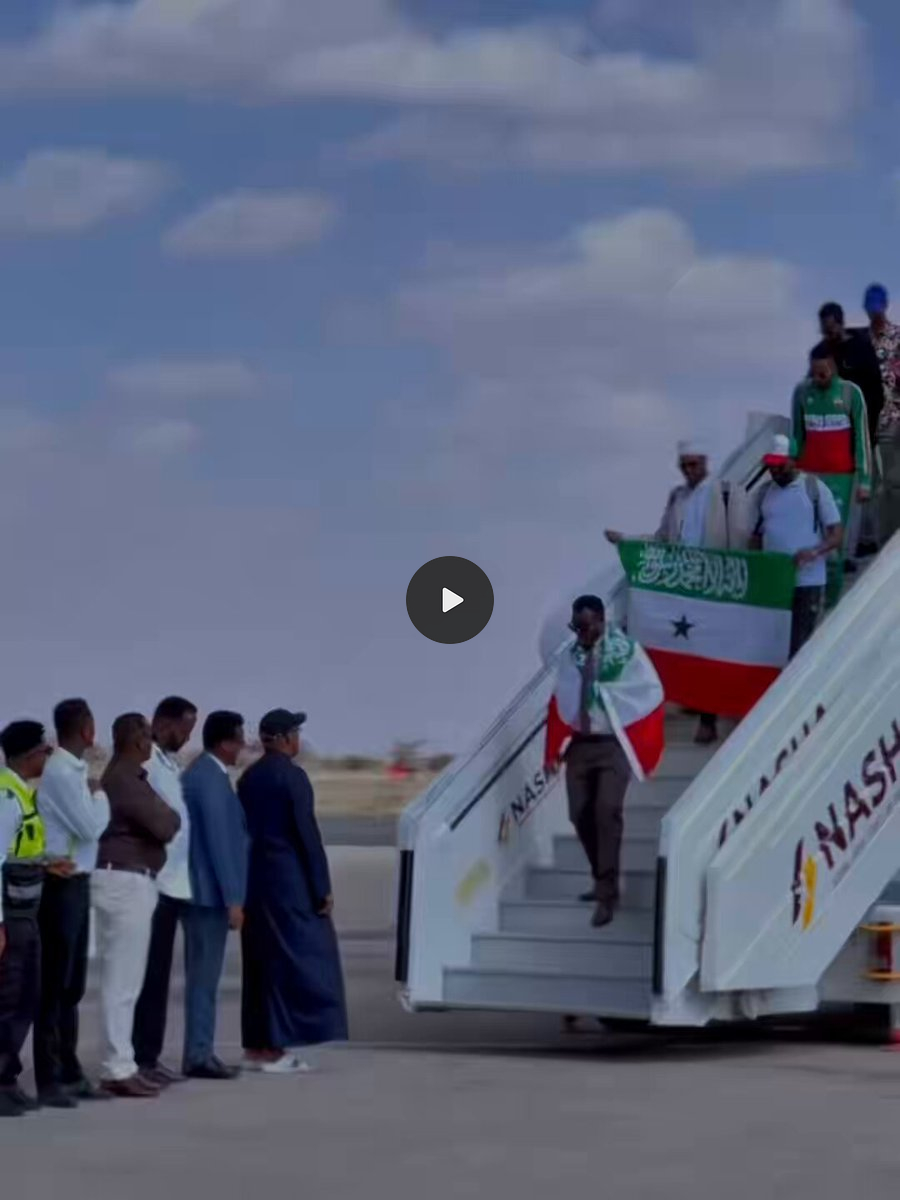
The Somaliland delegation arrived in Israel on February 24, just days before Operation Epic Fury began. When U.S. and Israeli forces launched the military campaign against Iranian targets on February 28, the water engineers were already engaged in their coursework at Israeli facilities.
The training program continued uninterrupted throughout the three-week operation—the delegation visited the Shafdan complex, toured Arava Institute projects, and received classroom instruction even as Israeli forces conducted strikes in Iran. Their March 18 departure came as the operation wound down, demonstrating Israel’s commitment to maintaining technical cooperation programs despite active military engagement.
From Desert to Abundance: Israel’s Water Innovation
Israel’s transformation from water-stress nation to water-secure innovator demonstrates what technological innovation can achieve under pressure. With nearly 90% of Israel’s wastewater treated and reused for agriculture and irrigation, and roughly 80% of its potable water needs supplied by desalination, Israel has achieved what many once considered impossible, transforming arid conditions into durable water security. The original Sorek I desalination plant was built with a capacity of about 164.8 million gallons per day, and newer facilities such as Soreq B have further expanded national capacity.
The journey began decades ago out of necessity. In the 1950s and 1960s, Israel faced severe water shortages as its population grew and the desert climate limited natural freshwater sources. Engineers pioneered drip irrigation in the 1960s, invented by Simcha Blass, revolutionizing agricultural water efficiency worldwide. By the 1990s, Israel was recycling wastewater on an unprecedented scale—today it recycles approximately 90% of its wastewater which is used for irrigation, far exceeding any other nation (Spain, in second place, recycles about 30%).
The desalination breakthrough came in the 2000s, with massive plants along the Mediterranean coast transforming seawater into drinking water at increasingly efficient costs. This combination of recycling, desalination, and conservation turned Israel from a nation rationing water to one that now supplies its neighbors and exports its technology globally.
Addressing Somaliland’s Water Crisis
The water training program appears to be the first major water-sector cooperation initiative since Israel recognized Somaliland in December 2025 For Somaliland—which faces frequent droughts, limited groundwater monitoring, and significant municipal water losses—Israeli technology offers practical solutions: brackish water desalination, leak detection systems, and network optimization.


MASHAV designed the curriculum specifically for Somaliland’s infrastructure needs. Engineer Sharmake, one of the participants, said the training provided “valuable insight into national water resource management.” The delegation received hands-on exposure to treatment plant operations, monitoring systems, and cutting-edge technologies. Israeli experts are expected to visit Somaliland to assist with implementing specific systems tailored to local conditions.

Sharing Solutions Across Borders
Israel’s water expertise has facilitated cooperation with neighbors facing similar challenges. With the UAE, Bahrain, and Morocco, Israel has pursued post-normalization cooperation in water management, agriculture, and food-security technologies. Regional organizations like EcoPeace Middle East work to expand collaborative water management, emphasizing shared environmental challenges that transcend political boundaries.
Under the 1994 Israel–Jordan peace treaty, Israel provides Jordan with 30 million cubic meters of water annually, according to a Jordanian official cited by Reuters
Water cooperation with Palestinians formally runs through the Joint Water Committee established under the Oslo framework. Palestinian official figures published in 2025 said West Bank purchases from Israel had reached 85.9 million cubic meters annually.
Technology Meets Need
Water scarcity affects millions across Africa and the Middle East, with climate change intensifying the crisis. Israel’s experience—transforming severe shortage into self-sufficiency within decades—offers a replicable model for nations facing similar conditions. The technical solutions developed in Israeli facilities, from advanced drip irrigation to wastewater recycling, address universal problems with proven effectiveness.
The Somaliland program demonstrates how expertise sharing can address urgent humanitarian needs even during periods of regional conflict. As these 25 engineers return home with advanced training, they they bring back expertise that could strengthen Somaliland’s water planning and service delivery over time—showing how innovation developed under constraint can create opportunity far beyond its original borders.