


Jewish Onliner is an independent publication. If you find our work valuable, please consider becoming a paid subscriber.
The May 5, 2026 Center for Strategic & International Studies (CSIS) commentary, authored by Benjamin Jensen, Nico Vacca, and Jose M. Macias III, argues that Iran mounted an aggressive information counteroffensive after U.S.-Israeli strikes that CSIS says sank large portions of Iran’s naval capability and set back its ballistic missile and nuclear programs by years, if not longer.
Within hours, coordinated networks began flooding social media with AI-generated and false battlefield content. Over the first month of the war, two pro-Iran networks identified by the Institute for Strategic Dialogue generated more than 1 billion views on X.
The CSIS researchers highlight that “free societies will never control information as tightly as Iran, and they should not try to do so. Their advantage lies elsewhere—in credibility, alliances, and the ability to expose coercion rather than conceal it.”


Iran’s Digital Arsenal
The CSIS report documents how Iranian state media and coordinated networks saturated platforms within hours of the February 2026 strikes. Jewish Onliner previously documented the mechanics of these AI-generated disinformation campaigns during Operation Epic Fury.


Two coordinated networks identified by the Institute for Strategic Dialogue, cited in related research, generated over 772 million and 370 million views respectively. According to the CSIS analysis, fabricated claims included a downed U.S. B-2 bomber with captured crew, over 650 American casualties, and the death of Benjamin Netanyahu, with some related content amplified by Iranian state-linked outlets and verified Iranian or Russian diplomatic accounts.
The report notes that “the fabrications do not need to be believed outright to be effective. Their purpose is to amplify a contested information environment by making U.S. and Israeli battlefield dominance feel disputed.”
Exploiting American Divisions
Jensen and his co-authors argue that one of Iran’s most effective lines of attack was exploiting pre-existing American grievances. pro-Iranian regime accounts framed the conflict as “a costly war driven by corrupt elite interests at the expense of ordinary Americans.”
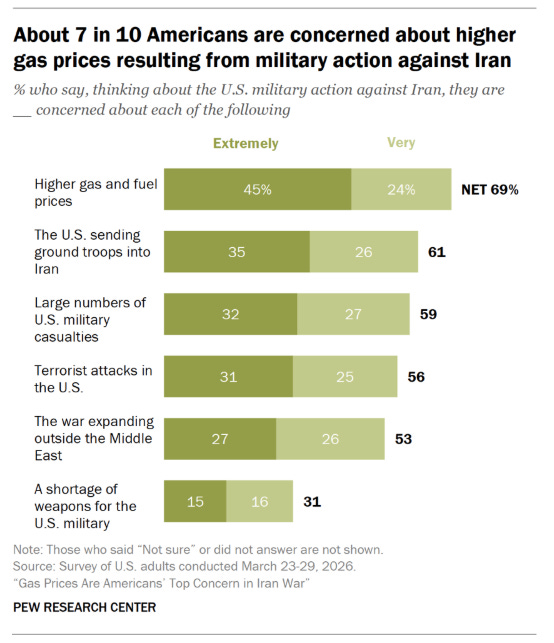
The CSIS Futures Lab found in a separate analysis that narratives targeting America’s “distaste for forever wars” generated the strongest engagement, outperforming both content celebrating Iranian battlefield success and anti-Israel messaging. Iranian-linked narratives paired unverified or fabricated claims about a Trump family member purchasing oil futures with messages warning that ordinary Americans would pay the price for another Middle East war.
CSIS Recommendations
Jensen and his co-authors argue that democracies need to move beyond reactive debunking and compete earlier in the information environment: establishing the dominant account quickly, exposing hostile networks before false narratives harden, and sustaining enough public trust for battlefield reality to shape public perception.