


The U.S. Department of Defense released its 2025 China Military Power Report on December 23, revealing troubling details about Beijing’s increasingly sophisticated support for the Islamic Republic of Iran’s military capabilities, a relationship the Pentagon warns directly threatens U.S. interests and regional stability.
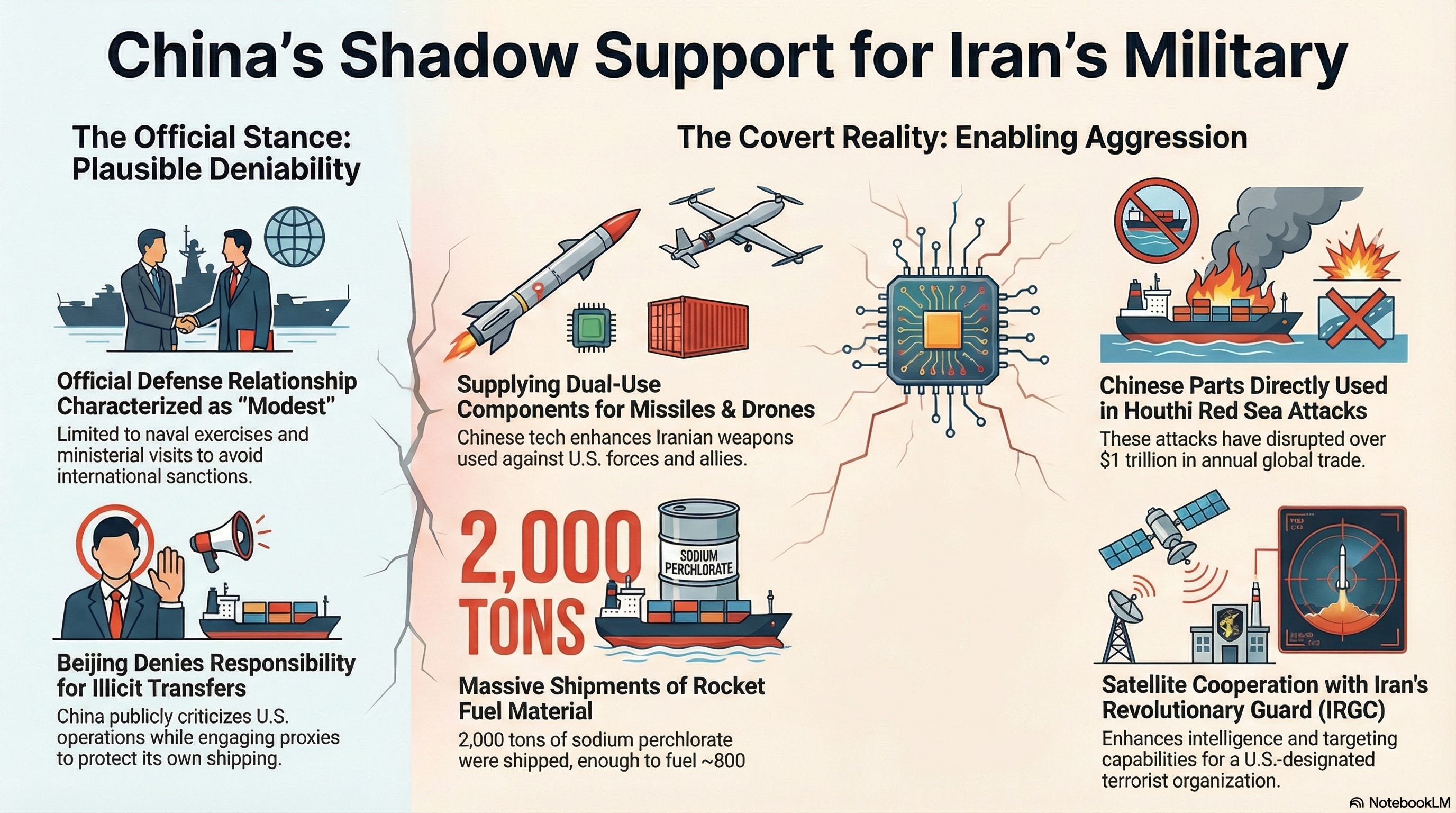
According to the report, Chinese companies are selling “dual-use components” for Iran’s ballistic missile and unmanned aerial vehicle (UAV) programs, providing Tehran with critical technology to enhance weapons systems that have targeted American forces and allies across the Middle East. The assessment marks one of the Pentagon’s most detailed public disclosures about the military-technical relationship between the two nations.
Chinese Components Enable Red Sea Attacks
Perhaps most alarming, the report documents that since November 2023, China-based companies have sold components that Houthi rebels, Iranian proxies in Yemen, have directly used in attacks in the Red Sea. These attacks have disrupted a vital maritime corridor handling over $1 trillion in annual global trade, forcing military intervention by U.S. and allied forces.
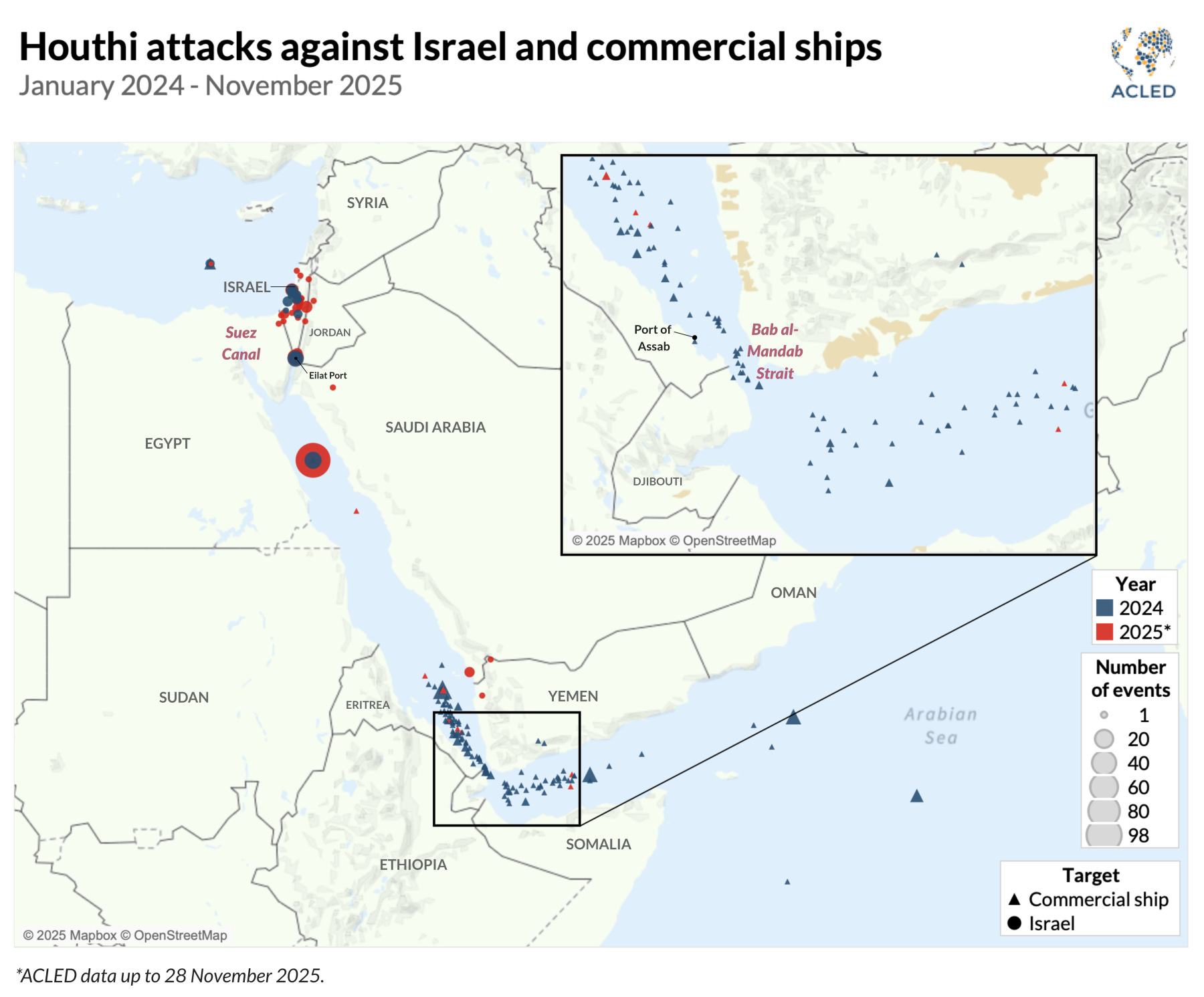
“Beijing has privately engaged the Huthis since the start of the Huthi attack campaign to secure the safety of Chinese commercial shipping,” the report states, while noting that Chinese officials deny responsibility for the weapons transfers enabling those same attacks.
Satellite Cooperation with IRGC Raises Intelligence Concerns
The Pentagon also revealed that as of August 2024, Chinese commercial satellite companies have participated in business exchanges with Iran’s Islamic Revolutionary Guard Corps (IRGC), a U.S.-designated terrorist organization. This cooperation could potentially provide Iran with enhanced intelligence, surveillance, and targeting capabilities against American assets.
Beijing’s Strategy of Plausible Deniability
Despite these concerning activities, the report characterizes China’s official defense relationship with the Islamic Republic of Iran as “modest,” consisting primarily of annual trilateral naval exercises with Russia and reciprocal ministerial visits every two years. The Pentagon assesses that Beijing remains “reluctant to deepen” overt military ties due to fears of diplomatic blowback and international sanctions.
This careful calibration allows China to support Iran through commercial channels while maintaining plausible deniability, a strategy that advances Beijing’s strategic interests without triggering the full consequences of a formal military alliance.
US Forces Intercept China-to-Iran Weapons Shipments
The Pentagon’s findings come amid intensifying enforcement efforts. Just weeks ago, a U.S. special operations team intercepted a vessel off Sri Lanka carrying Chinese-made dual-use components, including spectrometers and gyroscopes, bound for Iran’s missile guidance systems, according to Maritime Executive.
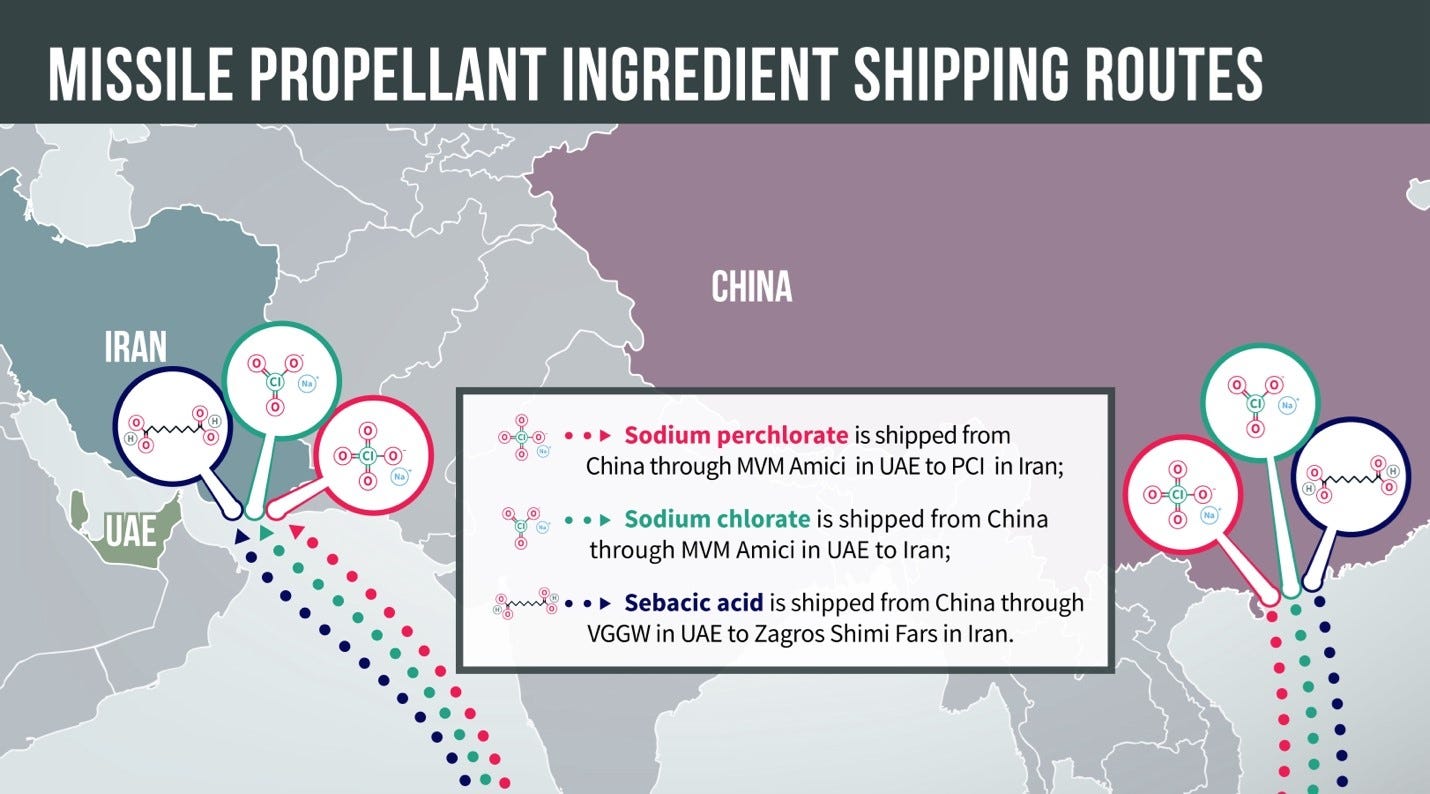
Intelligence agencies are tracking massive shipments of sodium perchlorate from China to Iran, with European intelligence reporting that four sanctioned ships carried 2,000 tons of the chemical, a key ingredient in solid rocket fuel, to Bandar Abbas port in September and October alone. In June 2025, The Wall Street Journal estimated this quantity is sufficient to fuel approximately 800 ballistic missiles.
These materials are urgently needed: the Islamic Republic of Iran is racing to rebuild its missile arsenal following its 12-day military confrontation with Israel earlier this year that severely degraded Tehran’s capabilities. U.S. and Israeli intelligence agencies now share reports almost daily on Chinese activities linked to Iran’s missile reconstruction efforts.
U.S. Offers $15 Million Bounty for Chinese Weapons Smugglers
In March 2025, the State Department announced it would offer up to $15 million through its Rewards for Justice program for information disrupting Chinese nationals supplying technology to the IRGC.
Four Chinese nationals, Liu Baoxia, Li Yongxin, Yung Yiu Wa, and Zhong Yanlai, have been charged by the Justice Department with conspiring to smuggle thousands of U.S.-origin electronic components to IRGC-linked companies since 2007. The individuals allegedly used front companies in China to misrepresent end users, sending components used in UAV and ballistic missile production to Iranian entities in violation of U.S. sanctions and export controls.
Growing Axis of U.S. Adversaries
The report comes amid broader concerns about coordination among U.S. adversaries. China, Russia, Iran, and North Korea are increasingly conducting joint military exercises and sharing technology, presenting challenges across multiple theaters simultaneously.
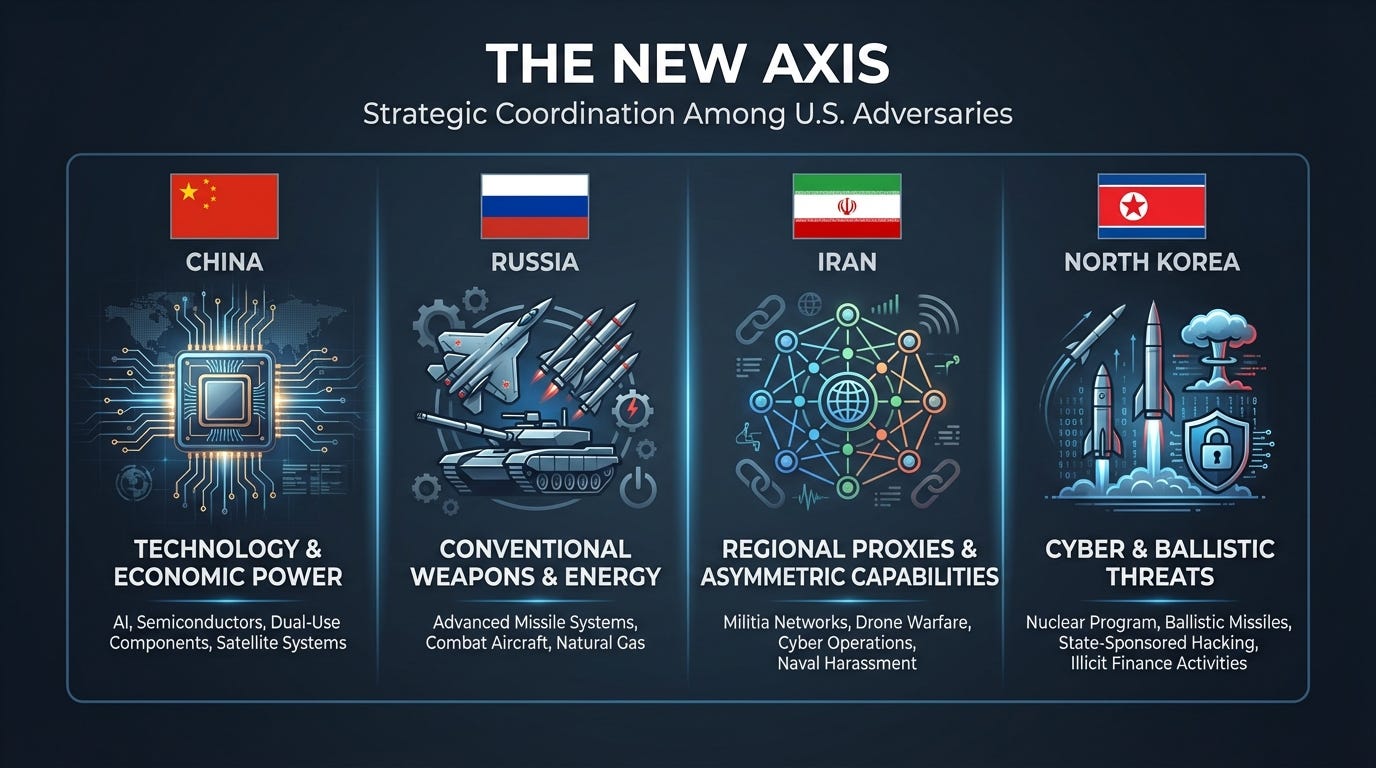
For the United States, China’s support for Iran compounds an already complex strategic picture. Iranian-made drones and missiles, enhanced with Chinese components, have been used against American forces in Iraq and Syria, provided to Russia for use in Ukraine, and deployed by Houthi forces in attacks that have killed international mariners and disrupted global commerce.
The Pentagon’s assessment suggests that while China publicly criticizes U.S. military operations against Iranian proxies as “ineffective,” Beijing’s own companies are quietly enabling the very threats those operations seek to counter.