


Jewish Onliner is an independent publication. If you find our work valuable, please consider becoming a paid subscriber.
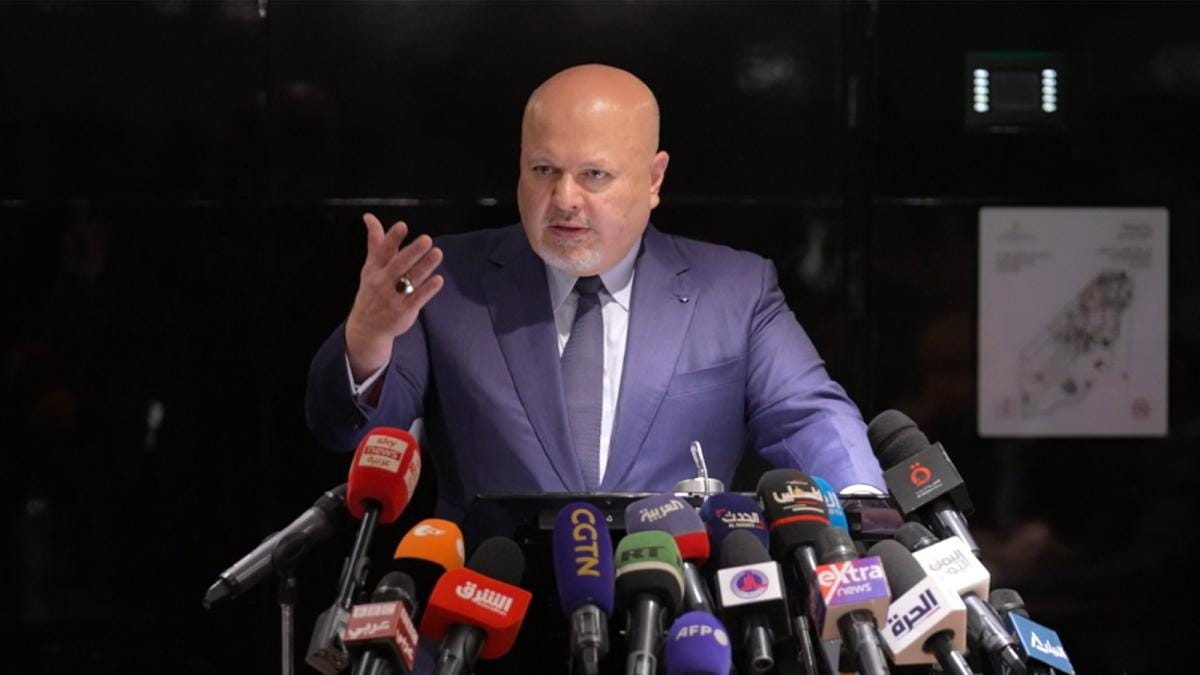
International Criminal Court Chief Prosecutor Karim Khan committed sexual harassment by engaging in a sexual relationship with a subordinate and then attempting to dissuade her from pursuing misconduct allegations, according to an internal ICC report obtained by The New York Times.
The confidential findings by the court’s 21-member executive body concluded that Khan’s denials were “devoid of credibility” after he failed to clearly deny the sexual relationship in 30 opportunities. The scandal threatens to further destabilize the highly controversial legal body.
The Findings
The Bureau of the Assembly of States Parties determined Khan engaged in coercive and nonconsensual sexual behavior with a female ICC staffer between 2023 and 2024. A UN investigation found evidence of “nonconsensual sexual contact” in Khan’s office, at his private residence, and during official missions.


According to whistleblower documents, Khan allegedly moved the woman from another ICC department into his office, made her a regular presence on trips, and engaged in repeated unwanted advances — including allegedly touching her sexually on a hotel bed and knocking on her room door at 3 a.m. for ten minutes. He also allegedly locked his office door and stuck his hand in her pocket, and repeatedly asked her to vacation with him.
Credibility Crisis
The internal report highlighted a stunning detail: Khan’s primary concern during the investigation was whether his accuser had made recordings implicating him, rather than clearly denying the misconduct. Only after the evidentiary record showed no recordings existed did Khan issue denials — which the bureau found lacked credibility.
Khan was suspended in June 2026 as member states prepare to vote on whether to remove him — an unprecedented move for the court. Through his lawyer, Khan has denied “every specific allegation of sexual interaction of any kind.”
Qatar-Linked Targeting Operation
The alleged victim became the target of a Qatar-linked covert intelligence operation aimed at discrediting her claims. Two British private intelligence firms, Highgate and Elicius Intelligence, sought her passport details, information about her child, and attempted to establish connections between her and Israel — though no such evidence was found. The operation obtained sensitive information about her private life, financial situation, and even her passwords from hacked data on the dark web. The woman, who was placed on suicide watch at one point, told The Guardian the targeting was “as incomprehensible as it is heartbreaking.”


Timing and Context
The allegations first surfaced in October 2024, weeks before Khan sought arrest warrants for Netanyahu and former Israeli Defense Minister Yoav Gallant. The ICC issued those warrants in November 2024, accusing Israeli leaders of war crimes in Gaza. Qatar allegedly promised to “look after” Khan after he issued the warrants, according to witness testimony submitted to the FBI.
The scandal compounds the court’s crisis as it faces sanctions from President Trump over investigations targeting Israelis and Americans. Trump sanctioned eleven ICC staff members, including Khan, resulting in closed bank accounts and revoked U.S. visas. The ICC’s 125 member states will meet this month to decide Khan’s fate.